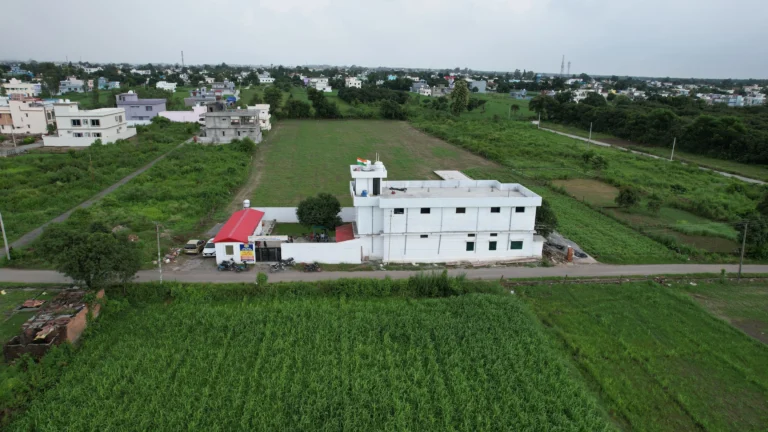
When a loved one is struggling with addiction, one term families often hear is Nasha Mukti Kendra — but many don’t fully understand what it actually involves. Is it a hospital? A counseling center? A place where someone is simply “locked away” until they recover? This guide breaks down exactly what a Nasha Mukti Kendra is, how it works, and what families can realistically expect from the process.
What Does “Nasha Mukti Kendra” Mean?
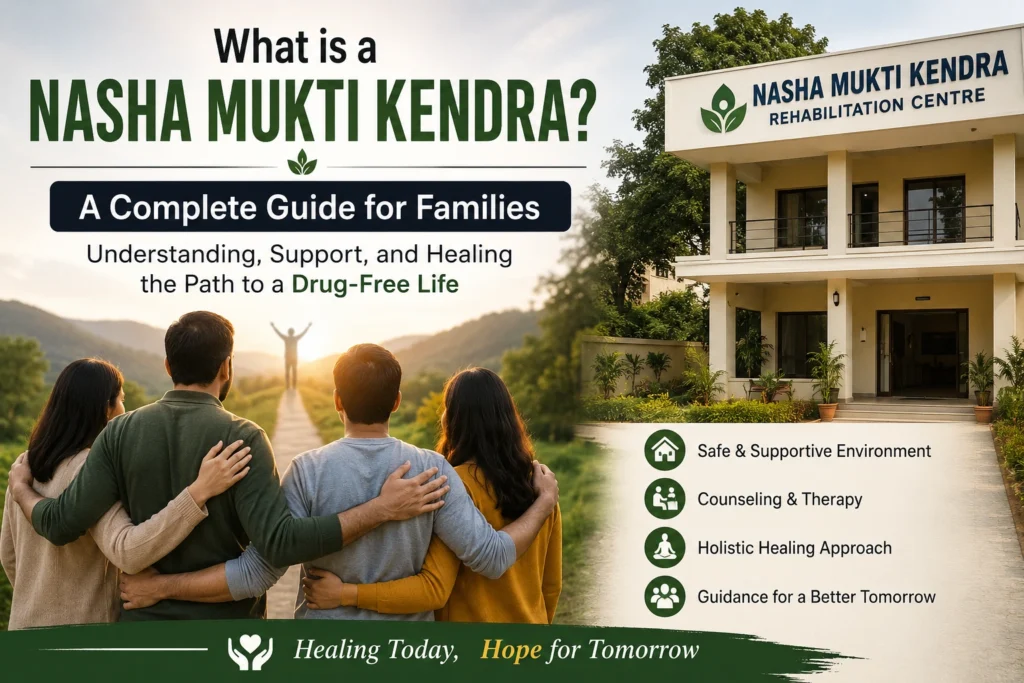
“Nasha Mukti Kendra” translates to “de-addiction center” in Hindi — a facility dedicated to helping individuals overcome dependency on alcohol, drugs, or other substances. Far from being a place of punishment or isolation, a well-run Nasha Mukti Kendra is a structured treatment environment combining medical care, psychological support, and long-term recovery planning.
The goal isn’t just to stop substance use temporarily — it’s to help the individual understand the root causes behind their addiction and build the tools needed to stay recovered long after they leave.
What Actually Happens at a Nasha Mukti Kendra?
Many families imagine treatment as one single process, but it typically unfolds in distinct stages:
1. Initial Assessment
Before any treatment begins, the patient undergoes a medical and psychological evaluation. This helps the team understand the severity of the addiction, the substances involved, and any underlying health or mental health conditions that need to be addressed alongside the addiction itself.
2. Detoxification
This is often the most physically demanding stage. Under medical supervision, the patient’s body clears itself of the substance it has become dependent on. Depending on the substance, withdrawal symptoms can range from mild discomfort to more serious complications — which is exactly why supervised detox at a proper facility matters far more than attempting it at home.
3. Therapy and Counseling
Once the physical dependency is managed, the real psychological work begins. This includes individual counseling to address personal triggers, group therapy for peer support, and often family counseling sessions to help loved ones understand how to support the recovery process.
4. Aftercare and Follow-Up
Recovery doesn’t end when someone leaves the center. Reputable Nasha Mukti Kendras provide follow-up support — periodic check-ins designed to reduce the risk of relapse and help the individual adjust back into daily life.
Common Myths Families Believe (That Aren’t True)
Myth: “It’s just about willpower — they should be able to stop on their own.”
Addiction changes brain chemistry in ways that make quitting through willpower alone extremely difficult, especially for substances with severe withdrawal effects. Professional support significantly improves recovery outcomes.
Myth: “Nasha Mukti Kendras are harsh, prison-like places.”
While this stereotype exists, a properly run center focuses on dignity, medical care, and emotional support — not punishment. Facilities often include counseling rooms, recreational spaces, and even yoga or meditation areas designed to support healing.
Myth: “Once treatment is done, the problem is solved.”
Treatment is the foundation, not the finish line. Long-term recovery depends heavily on aftercare, family support, and the individual’s continued commitment — which is why follow-up care matters so much.
What Families Should Look for When Choosing a Nasha Mukti Kendra
Not all centers offer the same quality of care. Families evaluating options should consider:
- Medical supervision during detox – Ensures safety during the most physically risky stage of treatment
- Qualified counselors and psychiatric support – Addiction often overlaps with mental health conditions like anxiety or depression
- Family involvement in the process – Recovery is far more successful when families understand and participate
- A clear, structured treatment plan – Rather than a vague, one-size-fits-all approach
- Aftercare support – Since relapse risk is highest in the months following treatment
How Can Families Support Someone During Treatment?
Watching a loved one go through this process can be emotionally overwhelming. Some ways families can help include:
- Educating themselves about addiction as a medical condition, not a personal failing
- Participating in family counseling sessions when offered
- Avoiding blame or guilt-driven conversations, which often push individuals further into isolation
- Being patient — recovery is rarely linear, and setbacks don’t mean failure
- Staying involved even after treatment ends, since ongoing support significantly reduces relapse risk
Why Early Action Matters
Many families wait, hoping the problem will resolve on its own, or fearing the stigma of seeking help. Unfortunately, addiction rarely improves without intervention — and delaying treatment often allows dependency to deepen, making eventual recovery more difficult. Reaching out to a Nasha Mukti Kendra as soon as signs of addiction become clear can make a meaningful difference in long-term outcomes.
Final Thoughts
A Nasha Mukti Kendra isn’t a place of shame — it’s a structured path toward healing, built on medical care, psychological support, and genuine compassion. Understanding what actually happens during treatment can help families feel more confident and informed as they support their loved one through recovery.
If you or someone you know is considering treatment, reaching out for a confidential consultation is often the first, most important step.