The Hidden Link Between Trauma and Addiction: How Childhood Experiences Shape Adult Substance Use
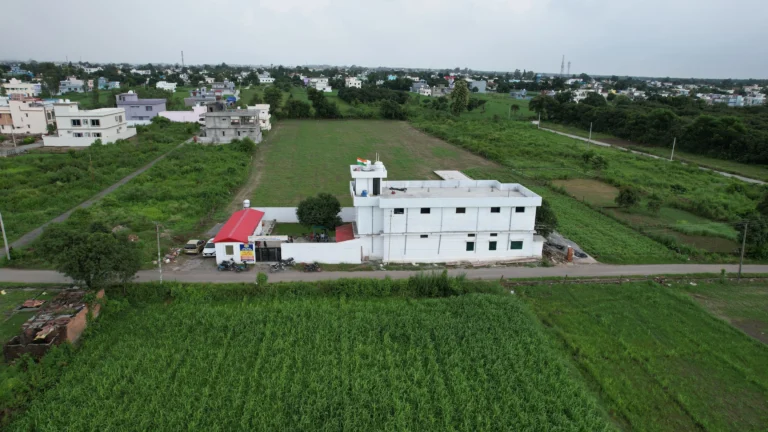
Addiction is rarely just about the substance. Behind many cases of long-term substance abuse lies an unresolved story that often begins decades earlier — in childhood. At Hamara Sankalp Nasha Mukti Kendra in Haldwani, we frequently observe a pattern that research has confirmed for years: unhealed childhood trauma is one of the strongest predictors of addiction in adulthood.
The Hidden Link Between Trauma and Addiction: How Childhood Experiences Shape Adult Substance Use
Childhood trauma isn't limited to major, obvious events. It includes:
Physical, emotional, or sexual abuse
Neglect or lack of emotional support
Growing up with a parent who struggled with addiction or mental illness
Domestic violence in the household
Loss of a parent or caregiver
Chronic instability, poverty, or family conflict
The landmark Adverse Childhood Experiences (ACE) study found a direct, measurable relationship: the more adverse experiences a child faces, the higher their risk of substance abuse as an adult. This isn't coincidence — it's a biological and psychological pattern.
Why the Brain Turns to Substances
When a child experiences trauma without adequate support to process it, the brain's stress-response system stays chronically activated. Over time, this can lead to:
Emotional dysregulation — difficulty managing intense feelings like anger, shame, or fear
A heightened stress response — the nervous system stays on high alert even in safe situations
Disrupted attachment patterns — difficulty trusting others or forming secure relationships
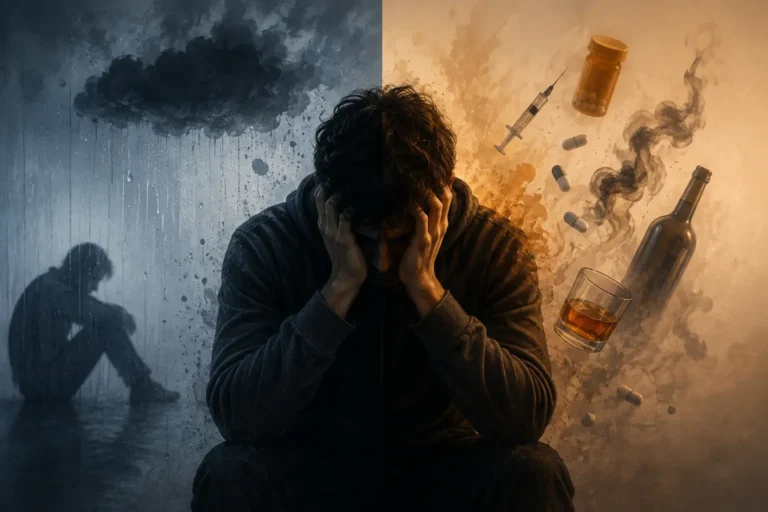
A search for relief — substances often become the fastest, most accessible way to numb pain that was never addressed
In this sense, addiction frequently functions as a coping mechanism rather than a moral failing. The substance isn't the root problem — it's often a symptom of an older, deeper wound.
Why This Matters for Recovery
This connection has major implications for how addiction should be treated. Recovery programs that focus only on stopping substance use — without addressing the underlying trauma — often see higher relapse rates. True healing requires looking at why the addiction started in the first place, not just managing its symptoms.
At Hamara Sankalp, our approach recognizes this dual reality. Alongside supervised detox and structured rehabilitation, we emphasize:
Trauma-informed counseling that creates a safe space to process past experiences
Family involvement, since many patients in the Kumaon region carry unspoken family history connected to their addiction
Building emotional regulation skills so patients have healthier tools to manage stress once substances are removed
Long-term aftercare, since trauma healing is a gradual process, not a one-time fix
Breaking the Cycle
For families in Haldwani, Almora, Ranikhet, and across the Kumaon region, understanding this link can shift the entire conversation around addiction — from blame to compassion, and from punishment to healing. A person struggling with substance abuse is often a person still carrying pain from years earlier that was never given the chance to heal.
Recovery isn't just about willpower. It's about creating the safety and support that allows someone to finally process what happened to them — and to discover that they don't need substances to survive it anymore.
If you or a loved one is struggling with addiction rooted in past trauma, Hamara Sankalp Nasha Mukti Kendra in Haldwani offers compassionate, trauma-informed treatment for individuals and families across the Kumaon region.