श्रेणी: Alcohol Addiction

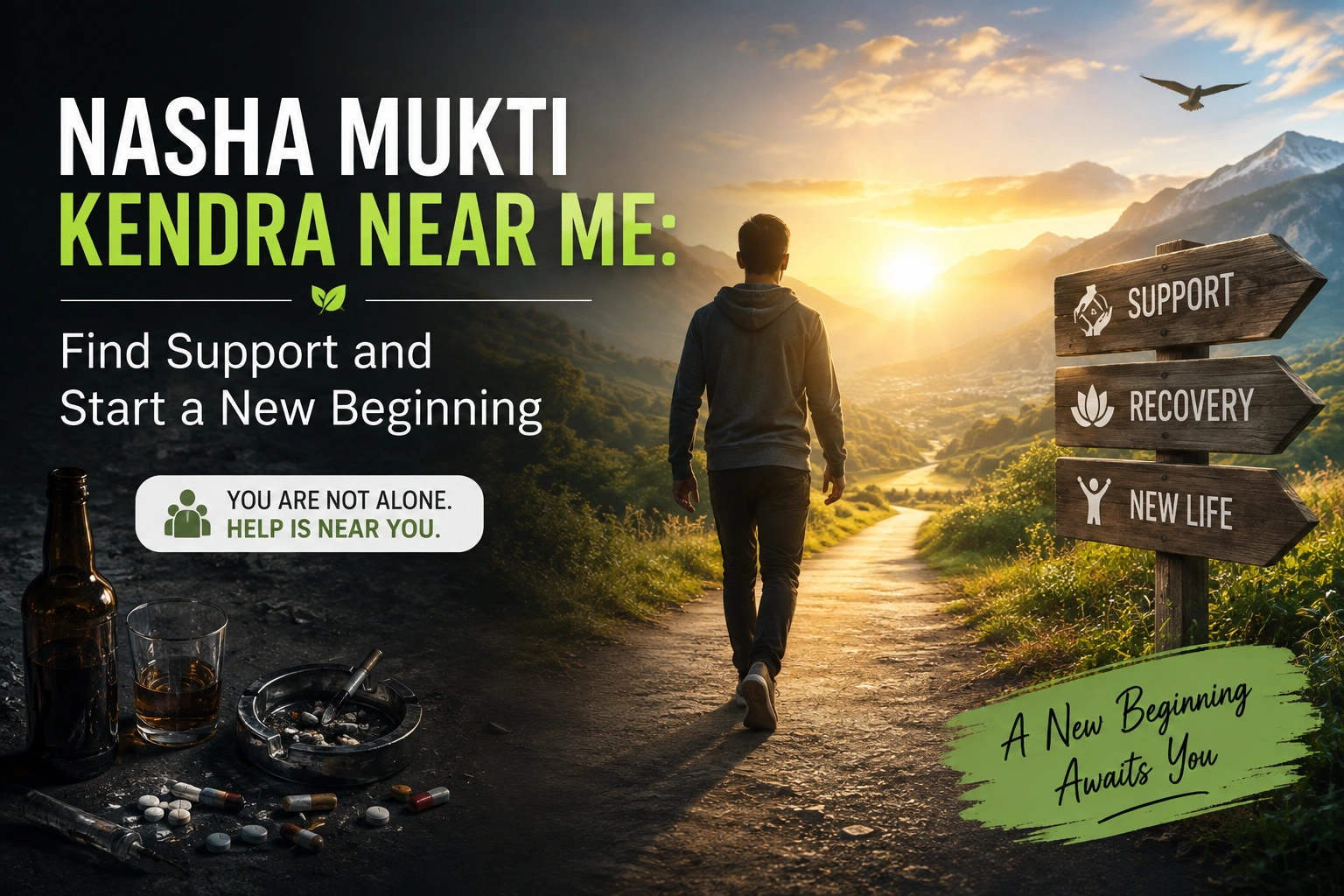
  • Nasha Mukti Kendra Near Me: Find Support and Start a New Beginning

    Nasha Mukti Kendra Near Me: Find Support and Start a New Beginning

    Nasha Mukti Kendra Near Me: Find Support and Start a New Beginning

    “Nasha Mukti Kendra Near Me”, there is usually an element of urgency in their pursuit. Either they or someone they know needs assistance, or there’s an impending threat to their daily lives caused by addiction, work-life balance or relationships.

    If you’re in Haldwani and Uttarakhand searching for a Nasha Mukti Kendra, Hamara Sankalp Nasha Mukti Kendra can provide rehabilitation in a welcoming and caring environment for your loved one on their road to recovery. The rehabilitation centre is ideally located in Haldwani and is open 24×7 for the people in search for hope and healing.

    Why search for a Nasha Mukti Kendra near you?

    Proximity to your house is definitely an added advantage when searching for a Nasha Mukti Kendra Near Me. Families can visit and check on their loved ones and be actively involved in the recovery process. However, choosing a rehabilitation centre should not be based only on distance.

    When looking for a Nasha Mukti Kendra Near Me, it’s also important to inquire about and understand the various treatments offered at the centre, the kind of atmosphere provided, the support from the staff, and the rehabilitation programmes.

    Every individual’s journey of recovery is different, and therefore, it may require varied treatments and support systems.

    More Than Just the Absence of Addiction.

    Hamara Sankalp Nasha Mukti Kendra in Uttarakhand helps you to walk towards a healthier and a much more stable lifestyle. A full-fledged rehabilitation journey often involves healthy routine, the guidance of counselors and the support provided from therapy-based activities, recreational and therapeutic activities, and family counseling. It not only just involves ceasing all addictive behaviours but also learning positive coping skills and healthy habits for life after rehabilitation.

    A Place Where Recovery Is Embraced.

    Most families find it difficult to imagine their family members experiencing the stigma associated with addiction. Creating a positive space for their recovery is essential to ensure they can focus solely on healing and improvement without feeling apprehensive or judged.

    In their recent public reviews, Hamara Sankalp have been acclaimed by customers for creating a supportive environment for the patients during the rehabilitation period

    How You As A Family Can Take the First Step

    The first step towards recovery can be the most challenging, especially for families who are often worried and may not be sure how to broach the subject. Instead of waiting for the situation to worsen, it’s advisable to look for a Nasha Mukti Kendra Near Me that is well-established and offers support not only for those battling addiction but also for their families.

    When exploring different options, ask them about:

    • The treatment and counseling process
    • The qualified staff, therapists, and psychiatrists available
    • The daily schedule and activities
    • Family counseling and involvement
    • Aftercare and follow-up plans

    Hamara Sankalp Nasha Mukti Kendra, Uttarakhand

    If you are searching for a Nasha Mukti Kendra Near Me, there’s hope for you and your family. We at Hamara Sankalp Nasha Mukti Kendra in Haldwani aim to offer comprehensive rehabilitation for people looking for to overcome their addiction.

    Recovery takes time and effort, but with a supportive environment and the right guidance, you or your loved ones can take a big step towards a healthier future.

    For more information and to inquire about admissions and available rehabilitation programs, contact Hamara Sankalp Nasha Mukti Kendra.

  • How to Overcome Alcohol Addiction Naturally

    How to Overcome Alcohol Addiction Naturally

    Step-by-Step Guide Overcoming alcohol addiction

    Overcoming alcohol addiction can be an overwhelming thought. When you reach out to understand how to start breaking free from dependence, the sheer task ahead may feel daunting. However, there are numerous natural methods and changes you can implement in your life to foster a healthier existence without alcohol.

    Natural recovery is a holistic approach that emphasizes lifestyle adjustments, supportive relationships, healthy habits, and a shift in mindset.

    However, if your alcohol consumption has led to physical dependence, abstaining from it abruptly might result in serious alcohol withdrawal symptoms. In such cases, medical or professional guidance is paramount, particularly in the initial stages. Combining natural recovery techniques with appropriate medical and psychological support can ensure your safety and maximize your chances of sustained success.

    Here’s a step-by-step guide on how to approach overcoming alcohol addiction naturally:

    1. Accept There Is A Problem

    The first essential step toward recovery is acknowledging that alcohol has become a problematic aspect of your life.

    Denying the issue will make it incredibly challenging to initiate changes or seek the necessary support.

    Take a moment and honestly ask yourself the following questions:

    • Is alcohol impacting your relationships negatively?
    • Is it interfering with your responsibilities at work, school, or home?
    • Do you struggle to control the amount of alcohol you consume?
    • Do you continue to drink even though you know it’s causing harm?

    Acknowledging the issue isn’t a sign of weakness; it’s a courageous act of self-awareness, marking the beginning of positive transformation.

    2. Set A Clear Recovery Goal

    once you’ve established that there’s a problem, it’s time to solidify your intention to overcome it.

    Set a clear recovery goal and, more importantly, write down why you want to break free from alcohol addiction.

    Your reasons can vary-perhaps you want to improve your physical health, repair damaged relationships, boost your productivity, save money, or gain more control over your life.

    Write these reasons down and place them where you can easily see them. Whenever you face challenges or moments of weakness, reminding yourself of your motivation can be a powerful catalyst for staying on track.

    3. Build A Healthy Daily Routine

    Alcohol addiction can disrupt your normal daily life, including sleep patterns, eating habits, and daily activities.

    Creating a structured routine can help restore order and stability.

    Aim to wake up and go to bed at consistent times, eat regular and balanced meals, engage in physical activity, and fill your time with meaningful or enjoyable activities.

    A predictable routine can also help reduce boredom, a common trigger for drinking, by providing you with healthier alternative ways to fill your time.

    4. Improve Your Nutrition and Hydration

    Excessive alcohol consumption can lead to nutritional deficiencies and disrupt your appetite and metabolism. During the recovery process, focusing on healthy eating and staying adequately hydrated can greatly support your overall health and well-being.

    Consume plenty of fruits, vegetables, whole grains, pulses, and protein-rich foods in accordance with your dietary preferences and needs.

    Drink plenty of water throughout the day to stay hydrated and flush toxins from your body.

    While it’s good to supplement your diet, remember that food and supplements should not replace professional medical and psychological treatment for alcohol addiction.

    5. Exercise Regularly

    Physical activity is a fantastic component of a recovery lifestyle. It can serve as a healthy outlet for stress, boost your mood, improve your sleep, and fill the time that you might otherwise spend drinking.

    Whether it’s going for a daily walk, trying yoga, joining a sports team, or simply engaging in regular gardening, find physical activities that you genuinely enjoy and can stick with.

    Start slowly and gradually increase the intensity and duration of your workouts.

    6. Learn To Manage Triggers

    A trigger is any situation, place, feeling, or person that can make you want to drink.

    Common alcohol addiction triggers include stress, loneliness, anxiety, arguments, certain social settings, and boredom.

    The key to overcoming triggers is to identify them and develop alternative coping strategies.

    For example, instead of reaching for a drink after a stressful day, you might try going for a run, meditating, talking to a trusted friend, or engaging in a hobby.

    Learning to anticipate and manage your triggers will significantly reduce your risk of relapse.

    7. Practice Mindfulness And Relaxation

    Stress can be a major obstacle in overcoming alcohol addiction.

    Practicing mindfulness techniques such as deep breathing, meditation, journaling, or simply spending quiet time in nature can help you better understand your thoughts and emotions.

    These practices don’t aim to eliminate difficult feelings but rather to help you acknowledge them without immediately reacting.

    Mindfulness can serve as a complementary tool to professional treatment in developing healthier coping mechanisms.

    8. Surround Yourself With Positive Support

    You don’t have to navigate this journey alone. Lean on the support of loved ones, trusted friends, family members, or join an addiction support group.

    Many people find immense strength and encouragement in connecting with others who share similar struggles and experiences.

    Communicate your intention to recover to those who are supportive of your goals.

    If a particular social environment or group encourages drinking, it may be necessary to create some distance for a while to build stronger foundations for recovery.

    9. Replace Alcohol With Meaningful Activities

    Removing alcohol from your life can leave a void, and filling that time with positive and engaging activities is crucial for a sustainable recovery.

    Consider picking up a new skill, volunteering in your community, spending quality time with family, pursuing creative outlets like art or music, or focusing on personal goals that have been put on hold.

    As you discover new sources of joy, purpose, and connection, alcohol will become less appealing.

    10. Seek Professional Help When Needed

    It’s essential to reiterate that while natural lifestyle changes can support recovery, they do not replace professional medical and psychological care.

    If you have been consuming alcohol heavily or regularly for an extended period, stopping suddenly might trigger alcohol withdrawal syndrome, a potentially dangerous condition that requires medical supervision.

    A qualified doctor or addiction counselor can assess your situation, recommend a safe and effective recovery plan, and provide you with the necessary tools and support.

    Professional treatments may include therapy, counseling, medication, or rehabilitation programs, depending on your individual needs and the severity of your addiction.

    11. Take Recovery One Day At A Time

    Recovery is not a linear process. There will likely be challenges and setbacks along the way, including cravings and difficult days.

    The most important thing is to continue moving forward, learning from each experience, and not give up on yourself.

    Instead of feeling overwhelmed by the thought of completely eliminating alcohol forever, focus on taking one day-or even one hour-at a time.

    Celebrate small victories, such as making healthy choices, going through a difficult day without drinking, or improving your sleep.

    A series of small, positive steps will gradually lead to a significant transformation.

    12. Conclusion

    Natural recovery from alcohol addiction involves making sustainable changes in your lifestyle, fostering supportive relationships, developing healthy habits, and seeking professional assistance when necessary.

    It’s about building a fulfilling life that no longer revolves around alcohol.

    Always prioritize your safety, and if you suspect you may be physically dependent, seek professional medical guidance to ensure a safe and effective recovery journey.

    With dedication and a comprehensive approach, it is entirely possible to overcome alcohol addiction and enjoy a happier, healthier future.