श्रेणी: Hamara Sankalp

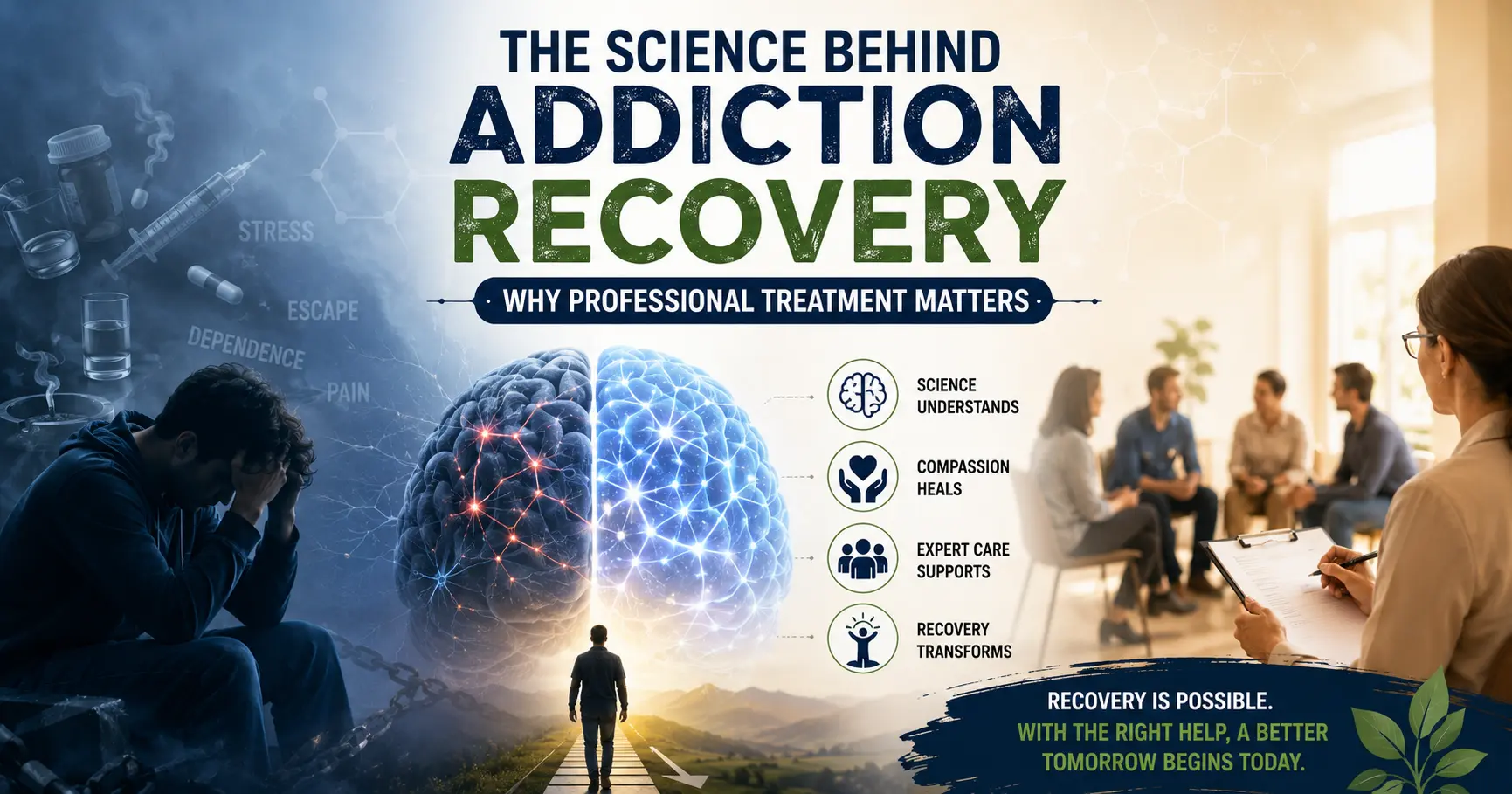
  • The Science Behind Addiction Recovery: Why Professional Treatment Matters
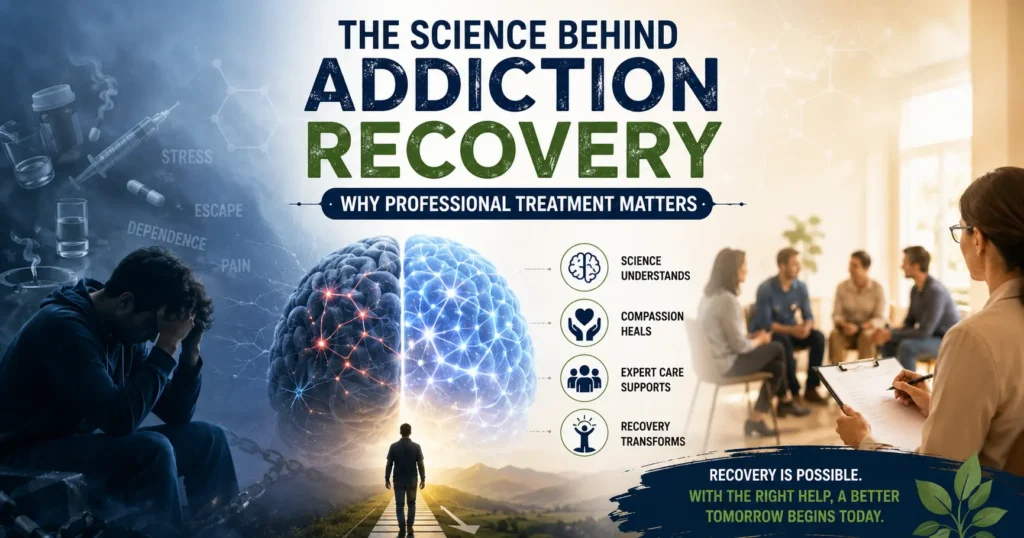
    The Science Behind Addiction Recovery: Why Professional Treatment Matters

    The Science Behind Addiction Recovery: Why Professional Treatment Matters

    Hamara_sankalp_de-addiction

    Addiction is often misunderstood as a matter of willpower — a choice that a person simply refuses to reverse. This misconception continues to prevent countless individuals from seeking the help they genuinely need. In reality, addiction is a complex neurological condition that rewires the brain’s reward, motivation, and decision-making systems. Understanding the science behind this process is the first step toward recognizing why professional treatment, not self-discipline alone, is essential for lasting recovery.

    How Addiction Changes the Brain

    At its core, addiction is a disorder of the brain’s reward circuitry. Substances such as alcohol, opioids, and other drugs trigger an intense release of dopamine, the neurotransmitter associated with pleasure and reinforcement. Over time, repeated exposure to this artificial flood of dopamine alters the brain’s natural chemistry. The reward pathways become desensitized, meaning the individual needs increasingly larger amounts of the substance just to feel a sense of normalcy, let alone pleasure. This is compounded by changes in the prefrontal cortex, the region responsible for judgment, impulse control, and long-term decision-making. Chronic substance use weakens this area’s ability to override cravings, which explains why individuals struggling with addiction often continue harmful behavior despite being fully aware of its consequences. It is not a failure of character; it is a measurable, physiological change in how the brain functions. This is precisely why willpower alone is rarely enough. Asking someone to “just stop” is akin to asking someone with a broken leg to walk without treatment. The underlying biology must be addressed, not just the behavior on the surface.

    Why Detox Alone Is Not Recovery

    Many people assume that detoxification — the process of clearing substances from the body — marks the end of addiction treatment. In truth, detox is only the beginning. While it manages the physical withdrawal symptoms, it does nothing to address the psychological patterns, emotional triggers, and behavioral habits that led to substance dependency in the first place. Without structured follow-up care, relapse rates after detox alone remain extremely high. This is because the brain’s altered reward pathways and learned behavioral responses to stress, trauma, or environmental cues persist long after the substance has left the body. Sustainable recovery requires addressing both the biological and psychological dimensions of addiction simultaneously.

    The Role of Professional, Structured Treatment

    This is where professional de-addiction centers play an irreplaceable role. Effective treatment programs are designed around a combination of medical supervision, psychological therapy, and structured lifestyle rebuilding — each targeting a different layer of the addiction cycle. 1. Medical Supervision Withdrawal from substances like alcohol or opioids can be physically dangerous, sometimes life-threatening, without proper medical oversight. Professional centers ensure that detoxification happens safely, with trained staff monitoring vital signs and managing complications as they arise.
    2. Psychological Therapy Cognitive Behavioral Therapy (CBT) and other evidence-based counseling methods help individuals identify the thought patterns and emotional triggers that fuel substance use. Therapy also addresses co-occurring mental health conditions such as anxiety, depression, or trauma, which are frequently intertwined with addiction but often go undiagnosed without professional support.
    3. The Twelve Step Approach Structured peer-support frameworks, such as the Twelve Step model, provide individuals with a community of people who understand their struggle firsthand. This sense of shared accountability and mutual support has been shown to significantly improve long-term sobriety outcomes.
    4. Holistic Practices Recovery is not solely a clinical process. Practices such as yoga and meditation help regulate the nervous system, reduce stress hormones, and rebuild the mind-body connection that addiction often disrupts. These practices complement medical and psychological treatment by giving individuals healthy coping mechanisms to replace substance use.
    5. Family Involvement Addiction rarely affects only the individual — it reshapes the dynamics of entire families. Professional treatment centers often incorporate family counseling to rebuild trust, improve communication, and equip loved ones with the tools to support recovery rather than inadvertently enable relapse.

    Relapse Is Part of the Process, Not a Sign of Failure

    One of the most important scientific insights into addiction is that relapse does not indicate a failed recovery. Addiction is classified as a chronic, relapsing condition, much like diabetes or hypertension. Just as a diabetic patient may need to adjust their treatment plan over time, individuals recovering from addiction may require ongoing support and adjustments to their care plan. This is why aftercare and continued monitoring are critical components of any credible treatment program. Recovery is not a single event but an ongoing process that requires sustained effort, professional guidance, and a supportive environment.

    Why Location and Accessibility Matter

    For many individuals, particularly those in smaller towns and semi-urban regions, access to quality de-addiction treatment remains a significant barrier. Regions such as Haldwani and the broader Kumaon belt — including Almora, Ranikhet, and Pithoragarh — have historically had limited access to specialized rehabilitation services, forcing families to travel long distances during an already difficult time. Expanding access to professional, evidence-based treatment in these regions is not just a matter of convenience; it directly impacts recovery outcomes. Timely intervention, delivered close to home, allows for stronger family involvement and reduces the logistical and financial burden that often discourages people from seeking help in the first place.

    Conclusion

    addiction is not a moral failing — it is a medical condition rooted in real, observable changes to brain chemistry and function. Recognizing this shifts the conversation away from blame and toward what actually works: comprehensive, professional treatment that addresses the physical, psychological, and social dimensions of recovery. For anyone supporting a loved one through this journey, understanding the science can be the first step toward compassion instead of frustration. And for those seeking help themselves, know that recovery is not about willpower alone — it is about accessing the right combination of medical care, therapy, community support, and time. Professional treatment does not just help people stop using substances. It helps them rebuild a life worth staying sober for.
  • Sweat It Out: How Fitness Becomes Your Best Recovery Tool

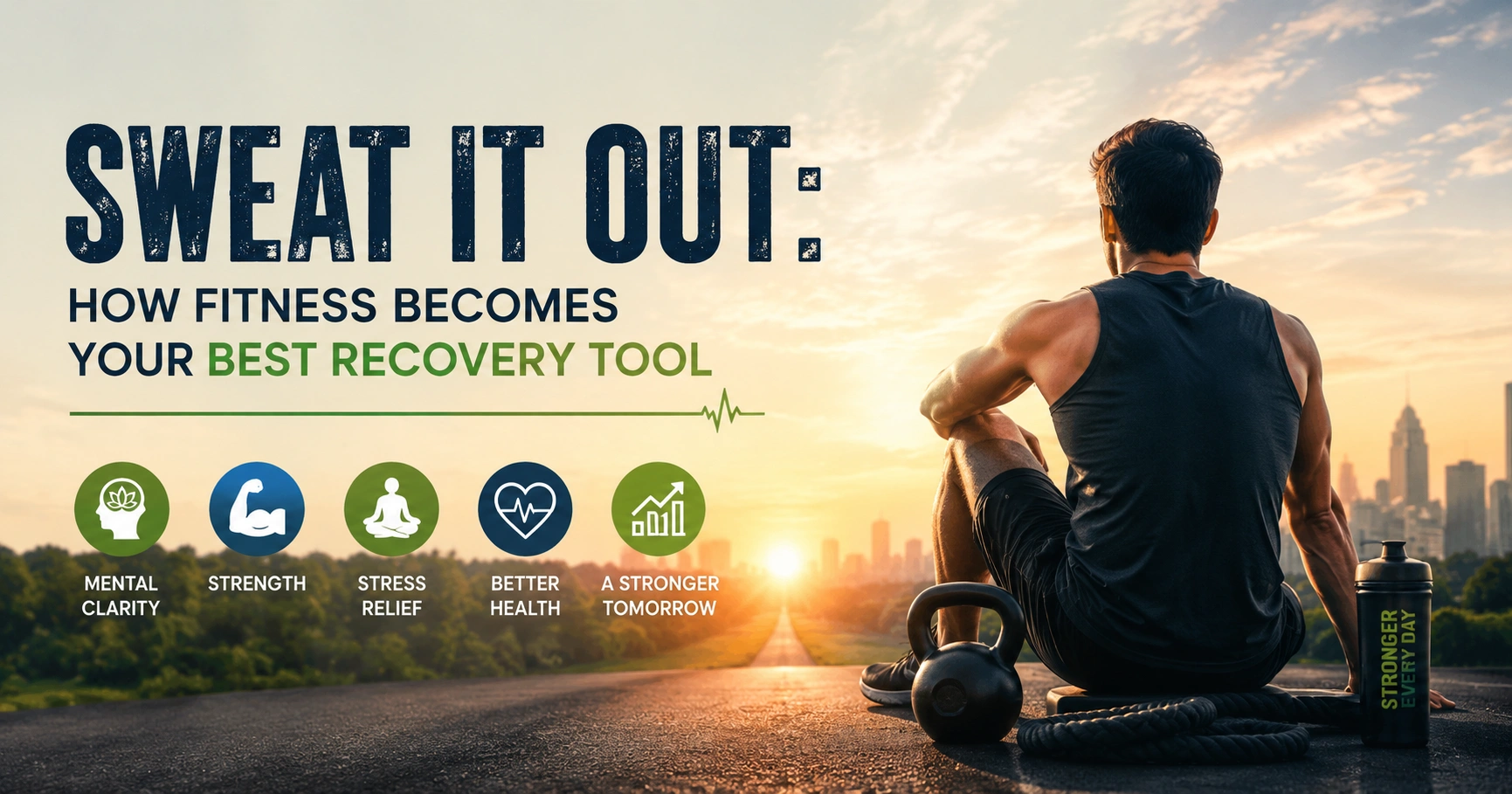
    Sweat It Out: How Fitness Becomes Your Best Recovery Tool

    Sweat It Out: How Fitness Becomes Your Best Recovery Tool

    Hamara Sankalp Nasha Mukti Kendra Haldwani

    When people think about addiction recovery, they usually picture therapy sessions, support groups, and medical detox. Rarely does anyone imagine a gym mat, a pair of running shoes, or a yoga class playing a starring role. But for thousands of people rebuilding their lives after addiction, fitness has quietly become one of the most powerful tools in their recovery toolkit.

    When people think about addiction recovery, they usually picture therapy sessions, support groups, and medical detox. Rarely does anyone imagine a gym mat, a pair of running shoes, or a yoga class playing a starring role. But for thousands of people rebuilding their lives after addiction, fitness has quietly become one of the most powerful tools in their recovery toolkit.

    The Brain Craves Movement Too

    Addiction hijacks the brain’s reward system, flooding it with dopamine and leaving natural sources of pleasure feeling dull in comparison. The good news? Exercise taps into that same reward system — naturally. A brisk walk, a workout session, or even a few sun salutations trigger the release of dopamine, serotonin, and endorphins, the same feel-good chemicals disrupted by substance abuse.

    In other words, sweating it out isn’t just good for the body — it’s retraining the brain to find joy in healthy places again.

    The Science of Feeling Good Again

    Beyond the immediate mood boost, exercise has a longer-term effect on brain chemistry that matters deeply in recovery. Regular physical activity increases levels of a protein called brain-derived neurotrophic factor (BDNF), which helps repair and grow new brain cells — particularly in areas linked to memory, focus, and emotional regulation. These are often the exact regions weakened by long-term substance use.

    This means fitness isn’t just a distraction from cravings; it’s actively helping the brain heal. Over weeks and months, many people in recovery report clearer thinking, better emotional control, and a stronger sense of stability — improvements that make the entire recovery process feel more manageable.

    Cravings Don’t Stand a Chance

    One of the hardest parts of early recovery is managing cravings and restless energy. Exercise gives that energy somewhere productive to go. Whether it’s lifting weights, going for a run, or joining a group sport, physical activity channels stress and tension into something constructive, making cravings easier to ride out instead of act on.

    Building Routine Where Chaos Used to Live

    Addiction often strips away structure from daily life. Fitness helps rebuild it. A consistent workout schedule creates a rhythm — wake up, move, feel accomplished, repeat. This small daily win builds momentum, and momentum builds confidence. Over time, showing up for a workout becomes a quiet reminder: I can commit to something good for myself.

    Stronger Body, Steadier Mind

    Recovery isn’t just an emotional journey — it’s a physical one too. Years of substance use can take a toll on the heart, lungs, and immune system. Regular movement helps repair this damage, restoring energy levels and physical strength. And as the body gets stronger, so does mental resilience. It’s hard to feel completely defeated when you’ve just crushed a workout you didn’t think you could finish.

    Finding Your Fitness Fit

    The good news is there’s no single “correct” way to sweat it out. Options include:

    • Yoga – calming, gentle on the body, great for early recovery
    • Walking or jogging – simple, low-pressure, and easy to build into a daily habit
    • Group sports – adds a social element, reducing isolation
    • Strength training – builds physical and mental resilience over time

    The best fitness routine isn’t the most intense one — it’s the one you’ll actually stick with.

    The Social Side of Sweating It Out

    Isolation is one of the biggest risk factors for relapse, and fitness offers a natural way to combat it. Group workouts, recreational sports leagues, or even a regular walking buddy create built-in social connection without the pressure of a formal support group setting. Sweating alongside someone else — celebrating small wins together, showing up even on hard days — builds accountability and friendship at the same time.

    Many rehabilitation centers have started recognizing this, incorporating group fitness sessions into treatment programs specifically because the community aspect strengthens commitment to recovery just as much as the physical activity itself.

    Start Small, Stay Consistent

    One trap many people fall into during early recovery is trying to do too much too fast — an ambitious workout plan that fizzles out within a week. The better approach is starting small. A 10-minute walk counts. Five minutes of stretching counts. Consistency matters far more than intensity, especially in the beginning.

    As the body regains strength and the mind grows steadier, workouts can naturally become longer and more structured. This gradual build mirrors recovery itself — small, sustainable steps that compound into real, lasting change over time.

    Not a Replacement, But a Powerful Partner

    To be clear, fitness isn’t a substitute for professional treatment. Therapy, medical support, and structured counseling remain the foundation of recovery. But exercise complements that foundation beautifully, giving people a healthy outlet, a mood boost, and a tangible sense of progress they can feel in their own body.

    The Takeaway

    Recovery is hard work, but it doesn’t have to feel like punishment. Sweating it out — whether through a run, a yoga class, or a pickup game with friends — offers something addiction takes away: a genuine, earned sense of feeling good. And in recovery, that feeling can make all the difference between giving up and moving forward.

    If you’re supporting someone through recovery, or navigating your own journey, know this: you don’t need a perfect fitness plan to start. You just need to move — even a little, even imperfectly. The rest builds from there.

    Progress in recovery rarely announces itself with fireworks. More often, it looks like showing up for a walk on a day you didn’t feel like it, finishing a workout you thought you’d quit halfway through, or simply noticing that you slept a little better last night. Fitness gives recovery something tangible to hold onto — proof, written in effort and sweat, that healing is actually happening. And on the hardest days, that proof can be exactly what keeps someone moving forward, one step, one rep, one small win at a time.

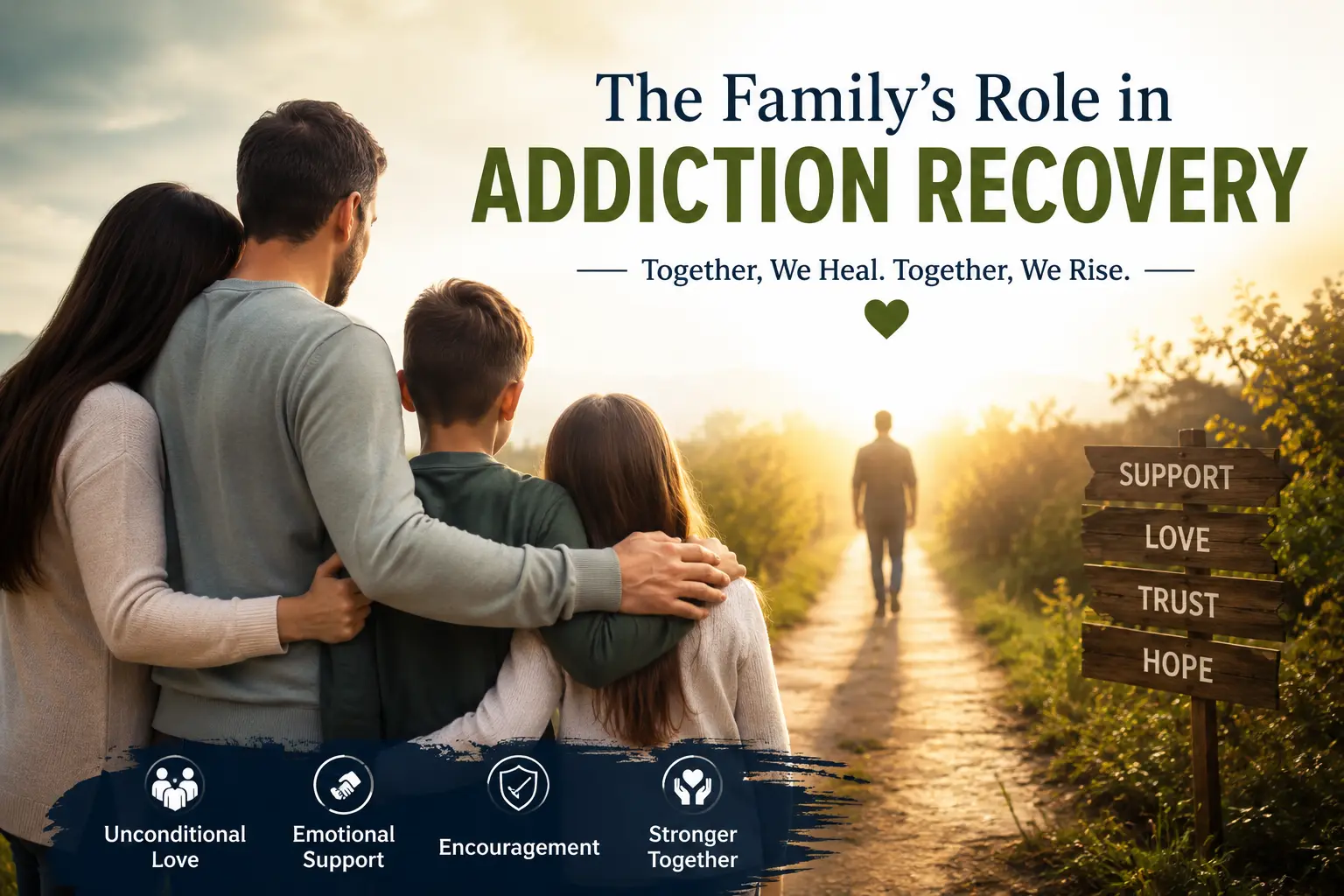
  • The Family’s Role in Addiction Recovery: 

    The Family’s Role in Addiction Recovery: 

    The Family’s Role in Addiction Recovery: 

    When someone begins the journey of recovery from addiction, the treatment they receive at a rehabilitation center is only one part of the picture. What happens at home — the conversations, the patience, the boundaries — often decides whether recovery holds long-term. At Hamara Sankalp Nasha Mukti Kendra in Haldwani, we’ve seen time and again that families aren’t just bystanders in this process. They’re active participants in it. Here’s how families across Haldwani, Almora, Ranikhet, and Pithoragarh can support a loved one’s recovery journey, while also protecting their own wellbeing.

    1. Educate Yourself About Addiction

    2. Practice Open, Judgment-Free Communication

    3. Set Healthy Boundaries

    4. Avoid Enabling Behavior

    5. Be Patient With the Process

    6. Take Care of Yourself Too

    7. Stay Connected With the Treatment Team