best nasha mukti kendra haldwani

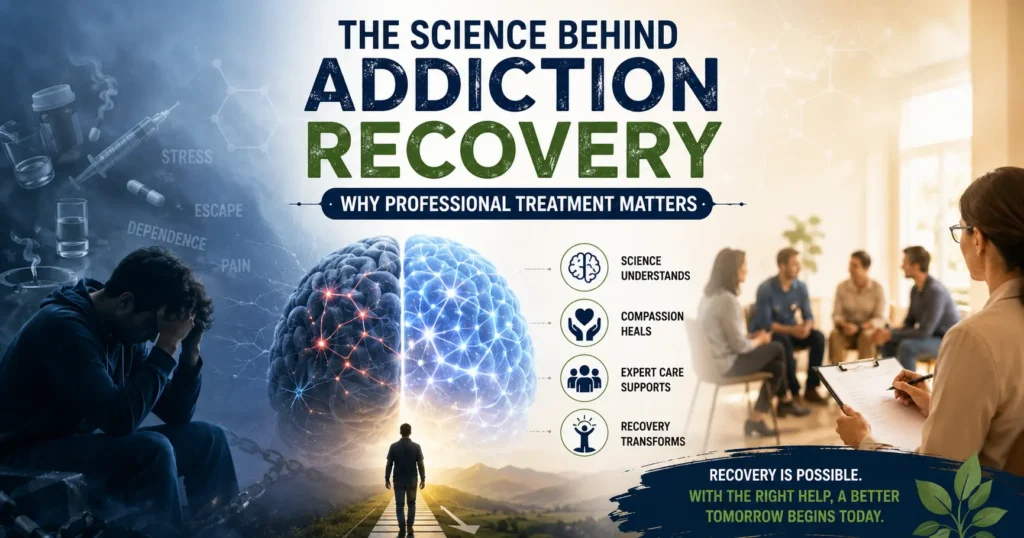
The Science Behind Addiction Recovery: Why Professional Treatment Matters

Hamara_sankalp_de-addiction

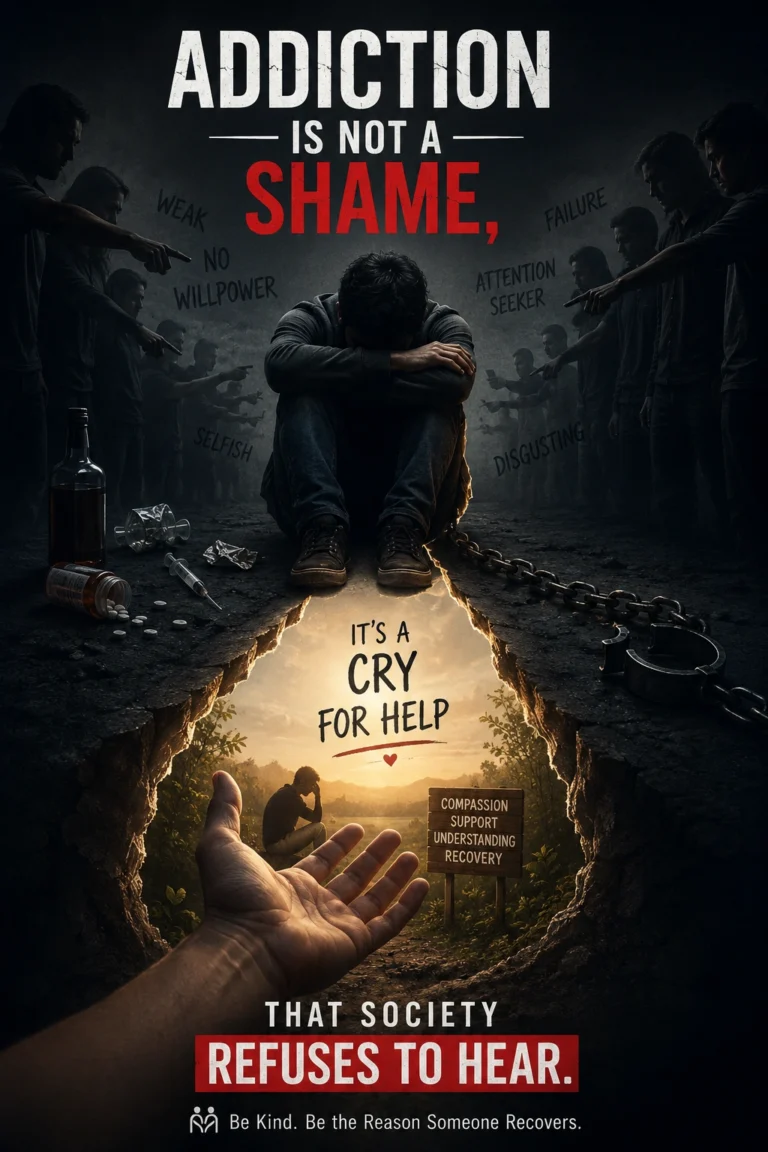
Addiction is often misunderstood as a matter of willpower — a choice that a person simply refuses to reverse. This misconception continues to prevent countless individuals from seeking the help they genuinely need. In reality, addiction is a complex neurological condition that rewires the brain's reward, motivation, and decision-making systems. Understanding the science behind this process is the first step toward recognizing why professional treatment, not self-discipline alone, is essential for lasting recovery.

How Addiction Changes the Brain

At its core, addiction is a disorder of the brain's reward circuitry. Substances such as alcohol, opioids, and other drugs trigger an intense release of dopamine, the neurotransmitter associated with pleasure and reinforcement. Over time, repeated exposure to this artificial flood of dopamine alters the brain's natural chemistry. The reward pathways become desensitized, meaning the individual needs increasingly larger amounts of the substance just to feel a sense of normalcy, let alone pleasure. This is compounded by changes in the prefrontal cortex, the region responsible for judgment, impulse control, and long-term decision-making. Chronic substance use weakens this area's ability to override cravings, which explains why individuals struggling with addiction often continue harmful behavior despite being fully aware of its consequences. It is not a failure of character; it is a measurable, physiological change in how the brain functions. This is precisely why willpower alone is rarely enough. Asking someone to "just stop" is akin to asking someone with a broken leg to walk without treatment. The underlying biology must be addressed, not just the behavior on the surface.

Why Detox Alone Is Not Recovery

Many people assume that detoxification — the process of clearing substances from the body — marks the end of addiction treatment. In truth, detox is only the beginning. While it manages the physical withdrawal symptoms, it does nothing to address the psychological patterns, emotional triggers, and behavioral habits that led to substance dependency in the first place. Without structured follow-up care, relapse rates after detox alone remain extremely high. This is because the brain's altered reward pathways and learned behavioral responses to stress, trauma, or environmental cues persist long after the substance has left the body. Sustainable recovery requires addressing both the biological and psychological dimensions of addiction simultaneously.

The Role of Professional, Structured Treatment

This is where professional de-addiction centers play an irreplaceable role. Effective treatment programs are designed around a combination of medical supervision, psychological therapy, and structured lifestyle rebuilding — each targeting a different layer of the addiction cycle. 1. Medical Supervision Withdrawal from substances like alcohol or opioids can be physically dangerous, sometimes life-threatening, without proper medical oversight. Professional centers ensure that detoxification happens safely, with trained staff monitoring vital signs and managing complications as they arise.
2. Psychological Therapy Cognitive Behavioral Therapy (CBT) and other evidence-based counseling methods help individuals identify the thought patterns and emotional triggers that fuel substance use. Therapy also addresses co-occurring mental health conditions such as anxiety, depression, or trauma, which are frequently intertwined with addiction but often go undiagnosed without professional support.
3. The Twelve Step Approach Structured peer-support frameworks, such as the Twelve Step model, provide individuals with a community of people who understand their struggle firsthand. This sense of shared accountability and mutual support has been shown to significantly improve long-term sobriety outcomes.
4. Holistic Practices Recovery is not solely a clinical process. Practices such as yoga and meditation help regulate the nervous system, reduce stress hormones, and rebuild the mind-body connection that addiction often disrupts. These practices complement medical and psychological treatment by giving individuals healthy coping mechanisms to replace substance use.
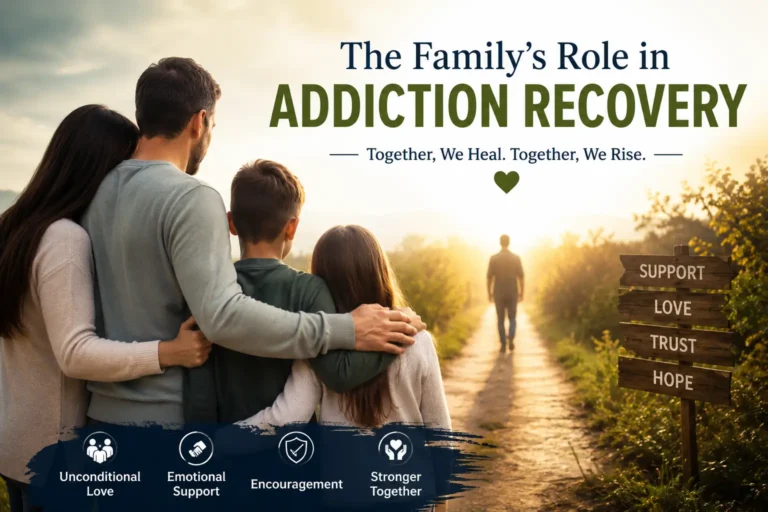
5. Family Involvement Addiction rarely affects only the individual — it reshapes the dynamics of entire families. Professional treatment centers often incorporate family counseling to rebuild trust, improve communication, and equip loved ones with the tools to support recovery rather than inadvertently enable relapse.

Relapse Is Part of the Process, Not a Sign of Failure

One of the most important scientific insights into addiction is that relapse does not indicate a failed recovery. Addiction is classified as a chronic, relapsing condition, much like diabetes or hypertension. Just as a diabetic patient may need to adjust their treatment plan over time, individuals recovering from addiction may require ongoing support and adjustments to their care plan. This is why aftercare and continued monitoring are critical components of any credible treatment program. Recovery is not a single event but an ongoing process that requires sustained effort, professional guidance, and a supportive environment.

Why Location and Accessibility Matter
For many individuals, particularly those in smaller towns and semi-urban regions, access to quality de-addiction treatment remains a significant barrier. Regions such as Haldwani and the broader Kumaon belt — including Almora, Ranikhet, and Pithoragarh — have historically had limited access to specialized rehabilitation services, forcing families to travel long distances during an already difficult time. Expanding access to professional, evidence-based treatment in these regions is not just a matter of convenience; it directly impacts recovery outcomes. Timely intervention, delivered close to home, allows for stronger family involvement and reduces the logistical and financial burden that often discourages people from seeking help in the first place.

Conclusion

addiction is not a moral failing — it is a medical condition rooted in real, observable changes to brain chemistry and function. Recognizing this shifts the conversation away from blame and toward what actually works: comprehensive, professional treatment that addresses the physical, psychological, and social dimensions of recovery. For anyone supporting a loved one through this journey, understanding the science can be the first step toward compassion instead of frustration. And for those seeking help themselves, know that recovery is not about willpower alone — it is about accessing the right combination of medical care, therapy, community support, and time. Professional treatment does not just help people stop using substances. It helps them rebuild a life worth staying sober for.