टैग: addiction

  • The Hidden Link Between Addiction and Mental Health: Understanding Dual Diagnosis

    The Hidden Link Between Addiction and Mental Health: Understanding Dual Diagnosis

    The Hidden Link Between Addiction and Mental Health: Understanding Dual Diagnosis

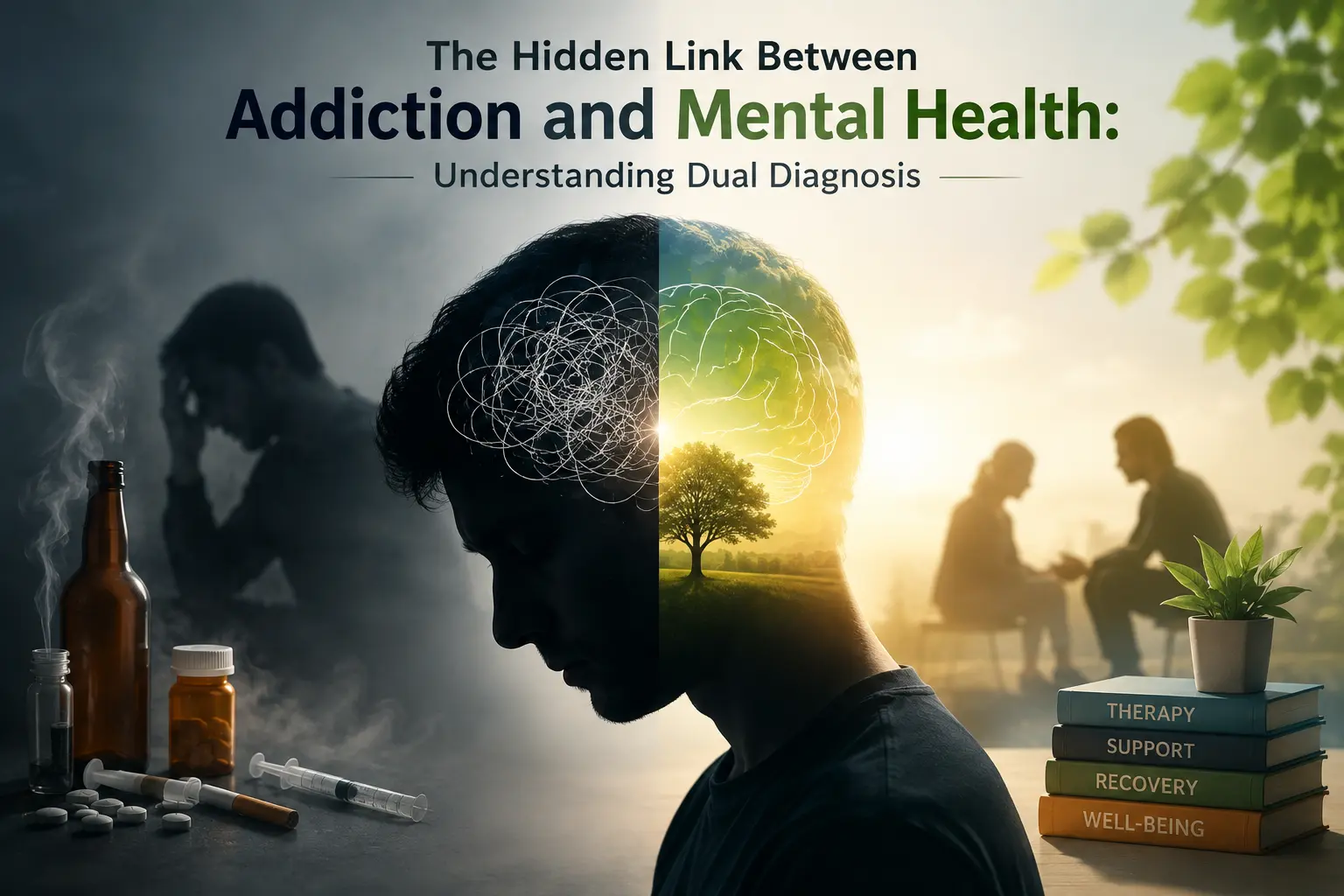
    Rarely does addiction occur in isolation. Hidden beneath the surface lies the story of anxiety, depression, trauma, or another mental health issue fueling the substance abuse – or, in turn, being aggravated by it. This intersection has a clinical term: dual diagnosis (or co-occurring disorders), and understanding its significance is a vital step toward lasting recovery.

    Here at Hamara Sankalp Nasha Mukti Kendra, serving families across Haldwani and the greater Kumaon region-including Almora, Ranikhet, and Pithoragarh-this connection is evident nearly every day. Treating addiction alone, without addressing the underlying mental health condition, rarely yields enduring change. In this article, we’ll break down the reasons for this relationship, how to recognize the signs, and what complete recovery looks like when both are treated comprehensively.

    Rarely does addiction occur in isolation. Hidden beneath the surface lies the story of anxiety, depression, trauma, or another mental health issue fueling the substance abuse – or, in turn, being aggravated by it. This intersection has a clinical term: dual diagnosis (or co-occurring disorders), and understanding its significance is a vital step toward lasting recovery.

    What is Dual Diagnosis?

    Dual diagnosis is the presence of a substance use disorder and a mental health disorder in an individual at the same time. Some common combinations include:

    – Anxiety disorders paired with alcohol or sedatives

    – Depression and alcohol, opioids, or cannabis

    – Post-traumatic stress disorder (PTSD) and substance use

    – Bipolar disorder and the misuse of stimulants or alcohol

    Neither is “the real problem” while the other is merely a symptom-both warrant individualized attention, care, and treatment. Why Addiction and Mental Health Are Inseparably Linked 1. Self-Medication Many individuals turn to substances like alcohol, sedatives, or drugs in an attempt to alleviate anxiety, escape feelings of depression, or calm a restless mind. In the short term, it can provide a sense of relief, but over time it leads to dependency and leaves the root condition unaddressed-or even worsened. 2. Substance Abuse Can Trigger Mental Illness Frequent usage of certain substances alter brain chemistry, particularly systems responsible for regulating mood, response to stress, and reward. This can initiate or amplify symptoms of anxiety, depression, paranoia, or mood swings, even in those without a prior history of mental illness. 3. Shared Risk Factors Common factors such as genetics, chronic stress, early childhood trauma, and environmental influences contribute to the increased likelihood of developing both addiction and mental health conditions. This is why the two often occur together, rather than independently. 4. A Cycle of Destruction Left untreated, addiction and mental illness perpetuate each other: using substances worsens existing mental health symptoms, which in turn drive more substance use. Breaking free requires addressing both simultaneously. Signs to Watch Out For Early recognition of dual diagnosis significantly enhances treatment efficacy. Look for the following indicators:

    Increased substance use during periods of heightened stress, sadness, or anxiety

    – Social isolation, withdrawing from family and friends
    – Marked mood swings, irritability, or emotional numbness
    – Sleep disruptions and changes in appetite
    – Difficulties functioning in day-to-day life at work, school, or home
    – Continued substance use despite clear negative repercussions
    If you notice several of these signs in a loved one, it’s essential to have an open and compassionate conversation and consider seeking a professional evaluation. Why Treating Only One Facet Fails A common pitfall is addressing addiction exclusively, assuming that any underlying mental health symptoms will subside naturally once substance use ceases. However, untreated anxiety or depression is frequently a major factor driving relapse. An individual who undergoes detox but doesn’t receive treatment for their underlying depression faces a significant risk of resuming substance use as a coping mechanism. This is why an integrated treatment approach-which addresses both conditions in tandem under a unified care plan-yields considerably more positive long-term outcomes than treating either issue separately. What Integrated (Dual Diagnosis) Treatment Encompasses Comprehensive care for dual diagnosis usually includes:
    – A thorough assessment to identify both the substance use disorder and any present mental health challenges
    – Medically supervised detox to safely manage withdrawal symptoms, if necessary
    – Individual therapy to explore root psychological causes, beyond merely addictive behavior
    – Group therapy for shared support and understanding
    – Family counseling, as both addiction and mental health impact the entire family unit
    – Stress-management and emotional-regulation techniques like yoga and meditation
    – Long-term relapse prevention strategies, including coping skills for mental health symptoms and triggers
    Deconstructing Stigma in the Kumaon Region In many areas across Kumaon, addiction and mental illness are deeply stigmatized, often causing families to conceal the issue rather than seek assistance. This silence can be perilous. Dual diagnosis is a medical condition, not a character flaw or weakness. Lasting recovery is indeed attainable through appropriate medical care, therapy, and familial support. Get Help If you or someone you know is battling both addiction and mental health concerns, you do not have to navigate this challenging journey alone. At Hamara Sankalp Nasha Mukti Kendra in Haldwani, we offer care that addresses the whole person-body and mind-with compassion, privacy, and respect, supporting families in Haldwani, Almora, Ranikhet, Pithoragarh, and across the entire Kumaon region. Recovery is not solely about ceasing substance use; it’s about healing the core issues that lead to it.