लेखक: hamara sankalp

  • What is a Nasha Mukti Kendra? A Complete Guide for Families
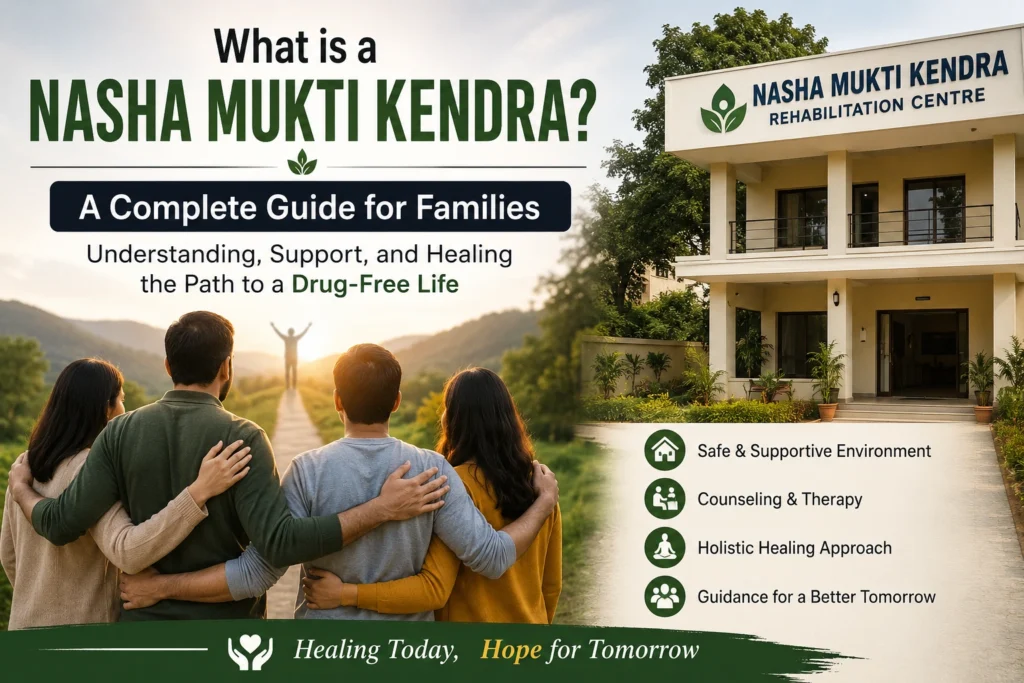
    What is a Nasha Mukti Kendra? A Complete Guide for Families

    What is a Nasha Mukti Kendra? A Complete Guide for Families

    hamara sankalp nasha mukti kendra

    When a loved one is struggling with addiction, one term families often hear is Nasha Mukti Kendra — but many don’t fully understand what it actually involves. Is it a hospital? A counseling center? A place where someone is simply “locked away” until they recover? This guide breaks down exactly what a Nasha Mukti Kendra is, how it works, and what families can realistically expect from the process.

     What Does “Nasha Mukti Kendra” Mean?

    “Nasha Mukti Kendra” translates to “de-addiction center” in Hindi — a facility dedicated to helping individuals overcome dependency on alcohol, drugs, or other substances. Far from being a place of punishment or isolation, a well-run Nasha Mukti Kendra is a structured treatment environment combining medical care, psychological support, and long-term recovery planning.

    The goal isn’t just to stop substance use temporarily — it’s to help the individual understand the root causes behind their addiction and build the tools needed to stay recovered long after they leave.

    What Actually Happens at a Nasha Mukti Kendra?

    Many families imagine treatment as one single process, but it typically unfolds in distinct stages:

    1. Initial Assessment
    Before any treatment begins, the patient undergoes a medical and psychological evaluation. This helps the team understand the severity of the addiction, the substances involved, and any underlying health or mental health conditions that need to be addressed alongside the addiction itself.

    2. Detoxification
    This is often the most physically demanding stage. Under medical supervision, the patient’s body clears itself of the substance it has become dependent on. Depending on the substance, withdrawal symptoms can range from mild discomfort to more serious complications — which is exactly why supervised detox at a proper facility matters far more than attempting it at home.

    3. Therapy and Counseling
    Once the physical dependency is managed, the real psychological work begins. This includes individual counseling to address personal triggers, group therapy for peer support, and often family counseling sessions to help loved ones understand how to support the recovery process.

    4. Aftercare and Follow-Up
    Recovery doesn’t end when someone leaves the center. Reputable Nasha Mukti Kendras provide follow-up support — periodic check-ins designed to reduce the risk of relapse and help the individual adjust back into daily life.

    Common Myths Families Believe (That Aren’t True)

    Myth: “It’s just about willpower — they should be able to stop on their own.”
    Addiction changes brain chemistry in ways that make quitting through willpower alone extremely difficult, especially for substances with severe withdrawal effects. Professional support significantly improves recovery outcomes.

    Myth: “Nasha Mukti Kendras are harsh, prison-like places.”
    While this stereotype exists, a properly run center focuses on dignity, medical care, and emotional support — not punishment. Facilities often include counseling rooms, recreational spaces, and even yoga or meditation areas designed to support healing.

    Myth: “Once treatment is done, the problem is solved.”
    Treatment is the foundation, not the finish line. Long-term recovery depends heavily on aftercare, family support, and the individual’s continued commitment — which is why follow-up care matters so much.

     What Families Should Look for When Choosing a Nasha Mukti Kendra

    Not all centers offer the same quality of care. Families evaluating options should consider:

    • Medical supervision during detox – Ensures safety during the most physically risky stage of treatment
    • Qualified counselors and psychiatric support – Addiction often overlaps with mental health conditions like anxiety or depression
    • Family involvement in the process – Recovery is far more successful when families understand and participate
    • A clear, structured treatment plan – Rather than a vague, one-size-fits-all approach
    • Aftercare support – Since relapse risk is highest in the months following treatment

     How Can Families Support Someone During Treatment?

    Watching a loved one go through this process can be emotionally overwhelming. Some ways families can help include:

    • Educating themselves about addiction as a medical condition, not a personal failing
    • Participating in family counseling sessions when offered
    • Avoiding blame or guilt-driven conversations, which often push individuals further into isolation
    • Being patient — recovery is rarely linear, and setbacks don’t mean failure
    • Staying involved even after treatment ends, since ongoing support significantly reduces relapse risk

     Why Early Action Matters

    Many families wait, hoping the problem will resolve on its own, or fearing the stigma of seeking help. Unfortunately, addiction rarely improves without intervention — and delaying treatment often allows dependency to deepen, making eventual recovery more difficult. Reaching out to a Nasha Mukti Kendra as soon as signs of addiction become clear can make a meaningful difference in long-term outcomes.

     Final Thoughts

    A Nasha Mukti Kendra isn’t a place of shame — it’s a structured path toward healing, built on medical care, psychological support, and genuine compassion. Understanding what actually happens during treatment can help families feel more confident and informed as they support their loved one through recovery.

    If you or someone you know is considering treatment, reaching out for a confidential consultation is often the first, most important step.

    What is a Nasha Mukti Kendra? A Complete Guide for Families​
  • Alcohol Addiction vs Social Drinking | How to Tell the Difference

    Alcohol Addiction vs Social Drinking | How to Tell the Difference

    Alcohol Addiction vs Social Drinking | How to Tell the Difference

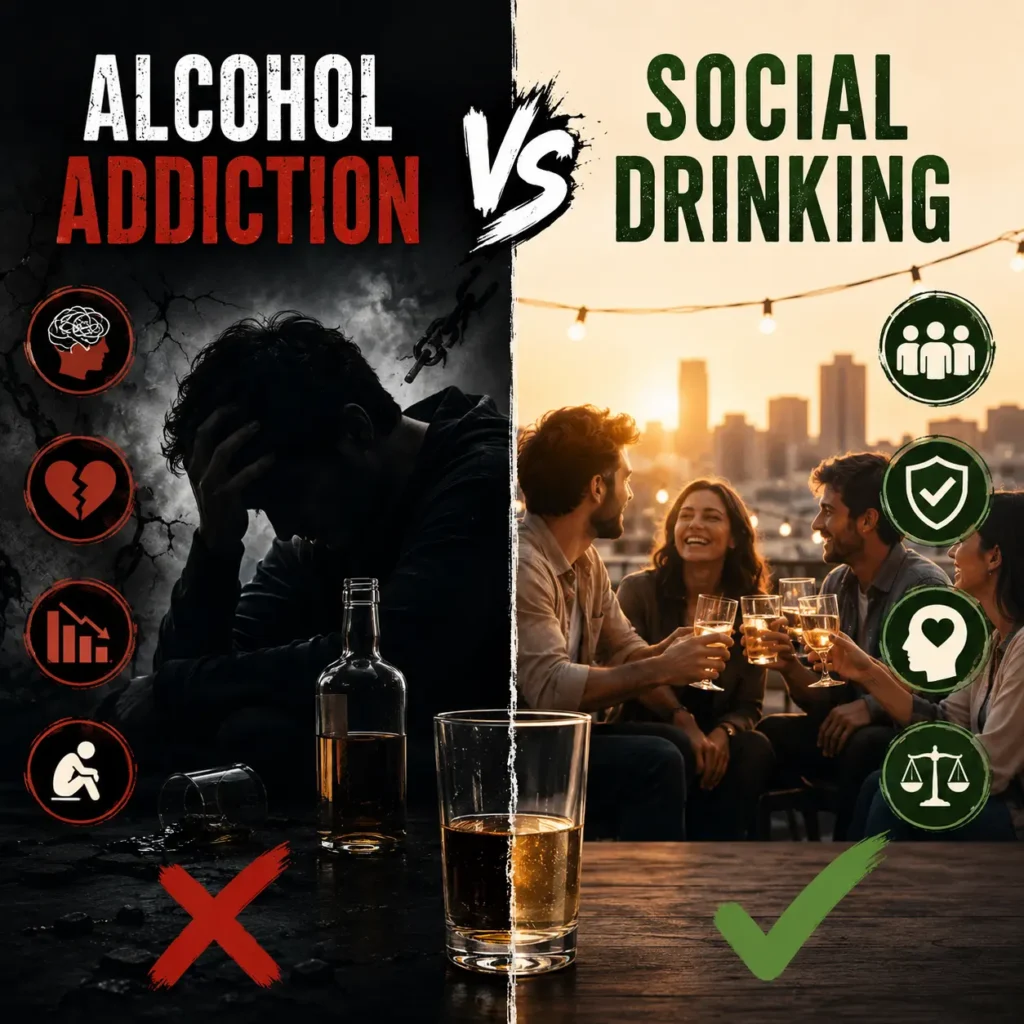
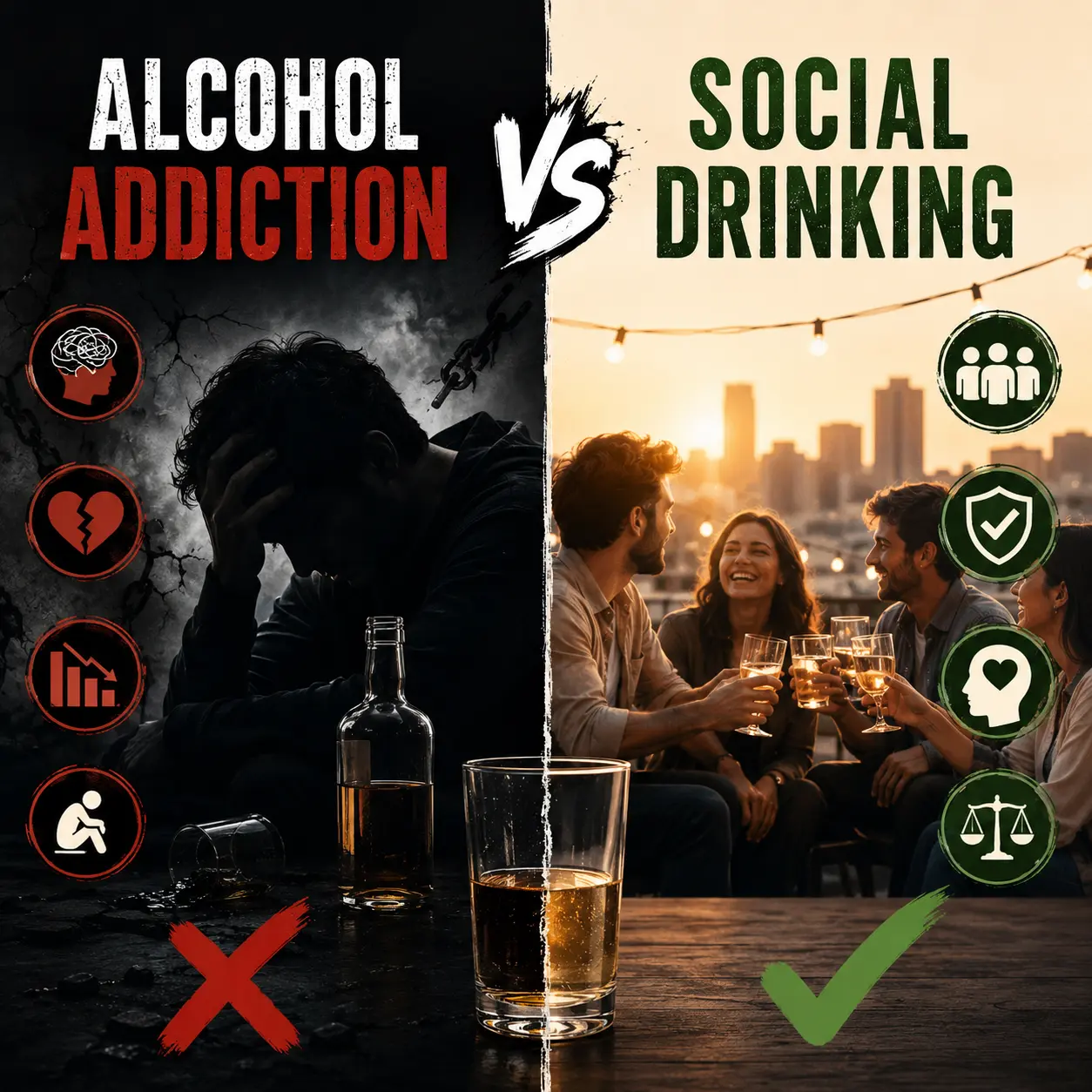
    Alcohol Addiction vs Social Drinking

    A glass of wine at a wedding. A beer with friends after work. A celebratory toast on a birthday. For most people, alcohol is woven into social life without ever becoming a problem. But for others, what starts as occasional drinking slowly turns into something they can no longer control — and often, neither the person nor their family notices the shift until it has already caused serious damage.

    Understanding where “social drinking” ends and “alcohol addiction” begins is one of the most important things a family can learn, because early recognition can mean the difference between a simple course-correction and years of struggle.

    What Social Drinking Actually Looks Like

    Social drinking is occasional, situational, and controlled. A social drinker:


      • Drinks only in specific settings — parties, celebrations, or casual get-togethers

      • Can easily stop after one or two drinks

      • Goes days or weeks without any alcohol and doesn’t think about it

      • Never drinks to cope with stress, sadness, or anxiety

      • Has no difficulty fulfilling work, family, or social responsibilities

      • Feels no guilt, secrecy, or defensiveness around their drinking habits

    In short, alcohol plays a small, optional role in their life. It is a choice, not a need.

    Where Alcohol Addiction Begins

    Alcohol addiction (also called Alcohol Use Disorder) develops gradually. It rarely announces itself with a single dramatic moment — instead, it creeps in through small changes in frequency, quantity, and reason for drinking. Some of the clearest warning signs include:

    1. Drinking Alone or in Secret Social drinkers drink around others; someone struggling with addiction often starts drinking alone, hiding bottles, or lying about how much they’ve consumed.

    2. Increasing Tolerance Needing more alcohol over time to feel the same effect is one of the earliest physical signs that the body is adapting to regular alcohol use.

    3. Drinking to Cope, Not to Celebrate When alcohol becomes a way to manage stress, loneliness, anger, or emotional pain rather than a way to enjoy a social occasion, it signals a deeper dependency forming.

    4. Loss of Control Trying to “just have one drink” but ending up finishing the bottle. Planning to stop and being unable to.

    5. Neglecting Responsibilities Missing work, ignoring family duties, or skipping important commitments because of drinking or recovering from drinking.

    6. Withdrawal Symptoms Shakiness, sweating, irritability, nausea, or anxiety when alcohol is not consumed for a few hours or a day — this is a strong physical indicator of dependency.

    7. Continuing Despite Consequences Relationship conflicts, health warnings from doctors, or financial strain caused by drinking — yet the person continues anyway.

    8. Failed Attempts to Cut Down Repeatedly promising to drink less or quit, and repeatedly being unable to follow through.

    If even two or three of these patterns sound familiar — for yourself or someone you love — it’s worth taking a closer look rather than dismissing it as “just a phase.”

    Why Families Often Miss the Signs

    Alcohol addiction is often mistaken for a lifestyle habit because drinking itself is socially accepted. Families frequently rationalize early warning signs: “He only drinks with friends,” “She’s just stressed at work,” “It’s not every day.” This normalization is exactly what allows addiction to progress quietly, often for years, before it becomes a crisis.

    Another reason addiction goes unnoticed is shame. Many individuals struggling with alcohol dependency are high-functioning — they hold jobs, manage households, and appear “fine” on the surface — which makes both the individual and the family reluctant to acknowledge a problem exists.

    When to Seek Professional Help

    You don’t need to wait for a rock-bottom moment to seek help. If drinking has started to affect health, relationships, work, or emotional stability — even mildly — it’s the right time to consult a professional. Early intervention through counselling, medical detox, and structured rehabilitation is far more effective, faster, and less painful than waiting until the dependency becomes severe.

    At Hamara Sankalp Nasha Mukti Kendra, we understand that every individual’s relationship with alcohol is different. Our approach combines medically supervised detox, one-on-one counselling, and family support to help patients not just stop drinking, but rebuild a stable, healthy life. If you’re unsure whether it’s time to seek help, that uncertainty itself is often a sign worth exploring.

    Final Thought

    The line between social drinking and alcohol addiction isn’t about how much someone drinks on any single occasion — it’s about control, frequency, and purpose. Social drinking adds to life; alcohol addiction slowly takes over it. Recognizing the difference early, without judgment or denial, is the first and most important step toward recovery.

    If you or someone in your family is showing signs of alcohol dependency, reach out to Hamara Sankalp Nasha Mukti Kendra in Haldwani for a confidential consultation. Recovery is always possible — the sooner it begins, the easier the journey.