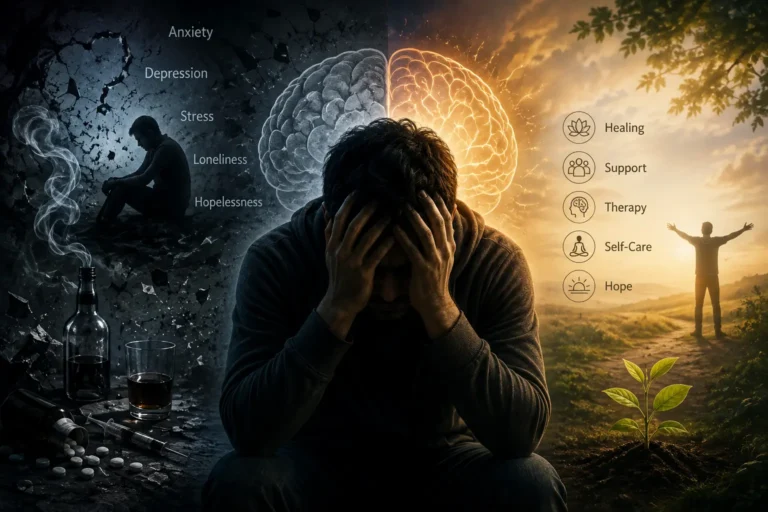
Addiction, anxiety, and depression are deeply intertwined. An impulse initially rooted in the desire to escape stress and emotional turmoil can ultimately create-or exacerbate-the very conditions it sought to avoid. Having a proper understanding of this interrelationship is of paramount importance to individuals navigating a pathway toward recovery.
The vicious cycle
For many, substances are turned to with the misguided intent of calming nerves or improving disposition. While this may seem true in the very short term, consistent usage fundamentally alters the biochemistry of the brain. This disrupts the brain's natural process of creating essential neurotransmitters like serotonin and dopamine, which play a crucial role in maintaining emotional and mood equilibrium.
Consequently, over time, reliance on the substance develops a new 'normalcy' for the brain. As soon as the effect of the substance wears off, a chemical imbalance invariably persists-resulting in heightened anxiety, heightened moodiness, and a pervasive sense of sadness. The substance is used to combat anxiety or depression, but addiction subsequently intensifies these very symptoms, feeding the cycle.
How addiction triggers anxiety
Substance abuse relentlessly taxes the body's stress response system. From disturbed sleep patterns and increased pulse rates to withdrawal symptoms that closely resemble panic attacks, alcohol and drugs cause mental restlessness along with other debilitating phenomena. Regular users generally acquire generalized anxiety disorder due to the inability of the brain to function optimally without them.
How addiction induces depression
Depression almost always exists alongside addiction, as the very capacity for rewards in the brain is often eroded by substance use. Activities that have, at one point, instilled a sense of joy and accomplishment-personal feats, social interaction, or even leisure-based hobbies-now carry no emotional weight whatsoever. Damaged personal relationships, financial hardship, societal exclusion, and profound feelings of remorse or shame then further intensify depressive tendencies, making lasting recovery appear out of reach.
What Comes First?
This seems to be a rather "chicken and egg" scenario. Anxiety and/or depression sometimes precedes addiction-in this case known as self-medication. In other instances, it is addiction which leads to mental disorders, owing to its effects on brain function and individual lifestyle. In either circumstance, clinicians refer to the combination of an addiction and a mental disorder as a "dual diagnosis" or "co-occurring disorder"; the simultaneous need to treat both being of crucial significance.
The eradication of the cycle
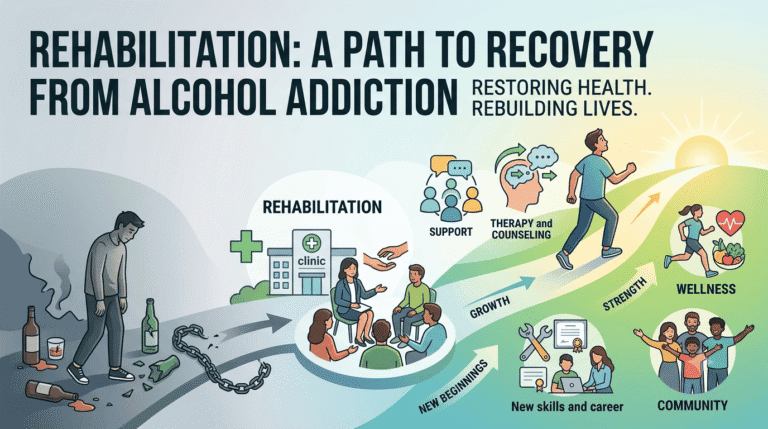
Simply treating the addiction without addressing-either prior or subsequent-anxiety or depression in a patient rarely guarantees successful recovery. Similarly, mental disorders are seldom treated sufficiently when substance use is ignored; as such, both mental well-being and the physical dependency on substances must be treated concurrently using evidence-based practices that combine counseling, medical intervention, and long-term rehabilitation services.
It is the acknowledgement of this connection between addiction and mental disorders at Hamara Sankalp Nasha Mukti Kendra in Haldwani, that shapes our rehabilitation care toward providing effective, holistic treatment for addicts from every walk of life across the Kumaon region-from Almora to Pithoragarh. From medical care, counseling, and therapy to aftercare and rehabilitation facilities, we are committed to aiding in recovery from an addicts substance use and the resultant mental anguish and despair in a complete, effective manner so as not to relapse or succumb to this perilous combination; in the spirit of true reform, it is about recovering not from dependency but also, from despair.
Conclusion
Addiction and its associated disorders namely, anxiety and depression; are deeply interlinked, and together, they constitute a vicious cycle which, if faced solely, is virtually insuperable. Recognition of this synergy marks the critical first step in seeking the most effective avenue for healing-an approach which treats the individual as a whole, not simply a victim of symptoms; thereby permitting for full recovery from the vicious cycle of substance abuse through proper assistance, an integrative treatment strategy, and an unbreakable dedication to recovery.