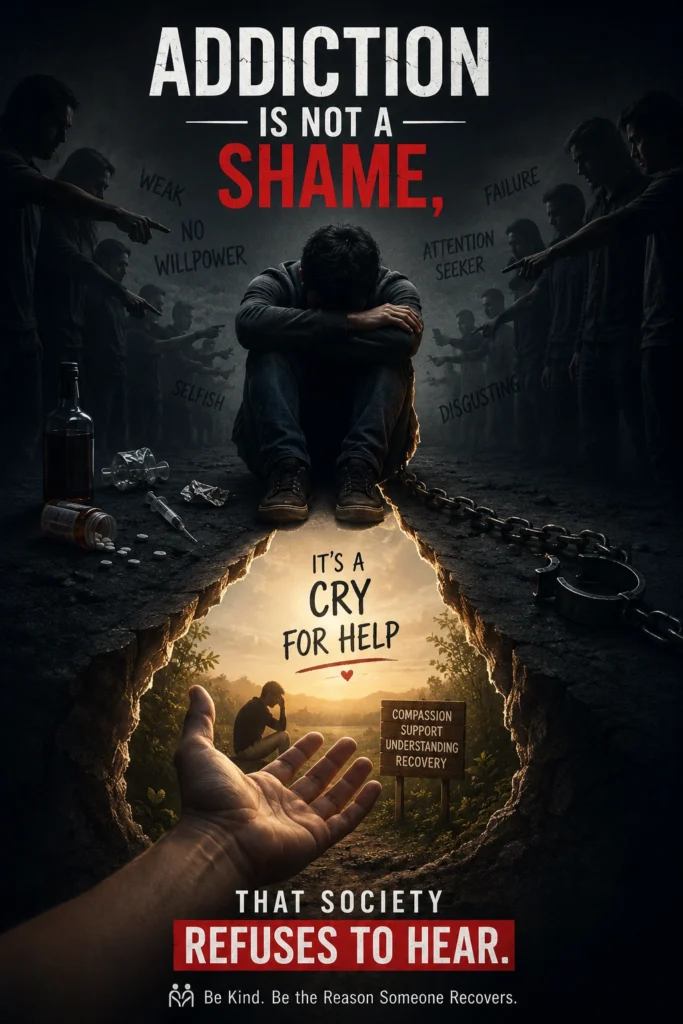
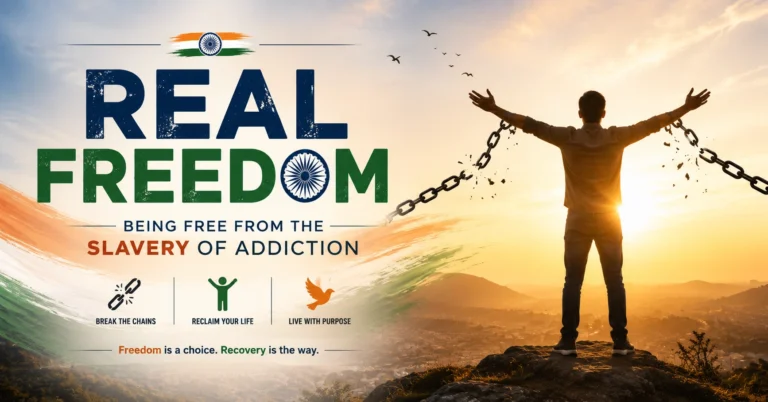
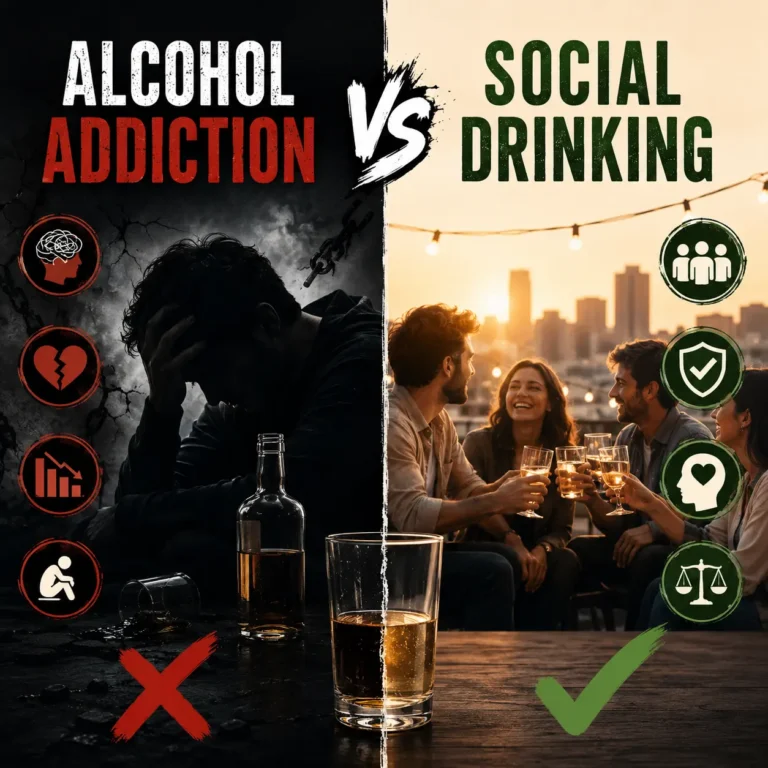
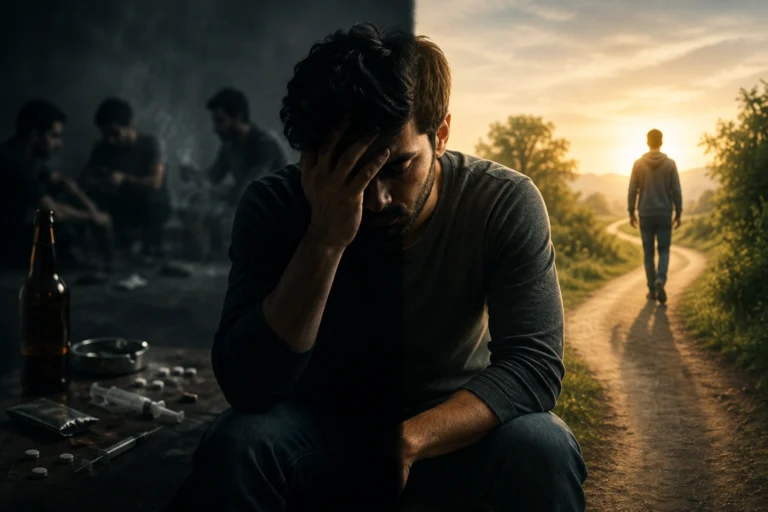
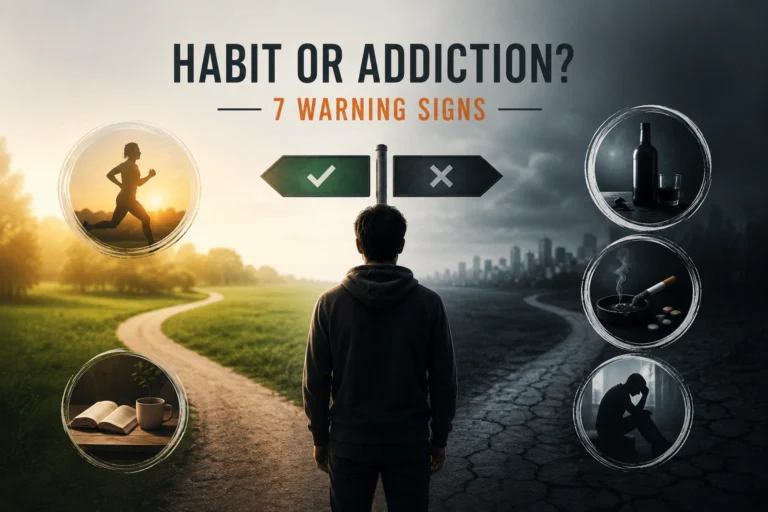
We often look at someone struggling with addiction and silently label them as weak, careless, or even a bad person. It’s an easy judgment to make from the outside. But few people stop to ask the harder question: what if this person wants nothing more than to escape the very thing that’s consuming their life — and simply hasn’t found the right way out?
The Person Behind the Addiction
Addiction rarely starts as a choice to ruin one’s life. It often begins as an attempt to cope — with pain, with loss, with pressure, with a wound no one else could see. Over time, what started as an escape becomes a trap. The person isn’t choosing to stay stuck. They’re fighting a battle inside their own mind, often alone, often in silence.
Ask anyone who has walked this path, and you’ll hear a similar truth: they want to stop. They want their old life back. They want to look their family in the eye without guilt. But addiction rewires the brain in ways that make “just stopping” far more complicated than willpower alone can fix.
The Weight of Society’s Judgment
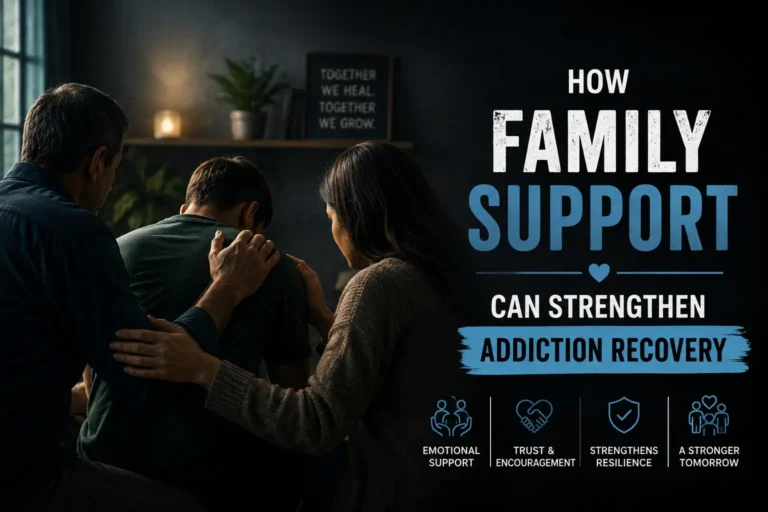
Perhaps the cruelest part isn’t the addiction itself — it’s how society responds to it. Instead of support, there’s suspicion. Instead of compassion, there’s distance. Family gatherings grow quieter around them. Neighbors whisper. Even those closest to them sometimes start treating them as if they’ve forfeited their right to be treated with dignity.
This isolation doesn’t help anyone recover. If anything, it pushes people deeper into the very behavior everyone wants them to stop. When someone feels like the world has already decided who they are, it becomes even harder to believe they can become someone else.
Why “Just Stop” Doesn’t Work
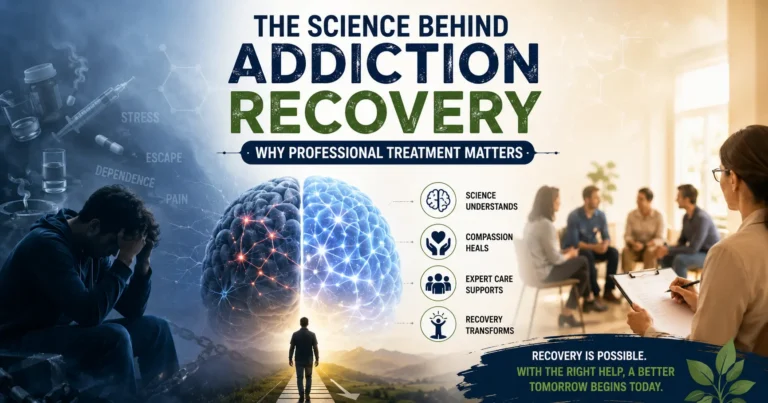
If overcoming addiction were as simple as deciding to stop, very few people would remain trapped in it. The truth is, addiction changes how the brain processes stress, reward, and self-control. It’s not a matter of character — it’s a medical and psychological condition that requires real support, real treatment, and real patience. Telling someone to “just have more willpower” is like telling someone with a broken leg to just walk normally. The intention behind the addiction — the pain it was covering — still needs to be addressed. Without that, recovery becomes nearly impossible to sustain alone.