best nasha mukti kendra haldwani

How Addiction Affects Mental Health and Emotional Well-Being

It’s extremely rare that addiction is simply a physical problem like withdrawal from a certain substance or behaviour. On the outside we might be watching the physical signs and compulsions — a craving, the physical feeling of withdrawal, the inability to stop. Underneath this is something far greater: the thinking and feeling of another person, how they relate to the world around them. Understanding this link is vital if you are a sufferer or if you have someone in your life battling with it.

The Brain-Chemistry Link

All addictive substances or behaviour are working, at least partially, by exploiting the brain’s reward system. Dopamine is the neurotransmitter that generates feelings of motivation and pleasure — too high levels of dopamine is released within the brain when taking drugs or performing an addictive behaviour. As time goes on the brain will adapt to extremely high levels, reducing its own level of production of dopamine and also reduce how sensitive it is. People addicted long-term often have a very blunted/flat sense of feeling motivation and happiness, to enjoy things they used to enjoy when in a state clinicians refer to as anhedonia. This is the brain has become reconditioned to require extreme stimulation to give feel good results and ordinary life seem dull in comparison. The sufferer is NOT simply not trying hard enough to pull out of it when in this situation — it’s actually a chemically identifiable change within the brain itself.

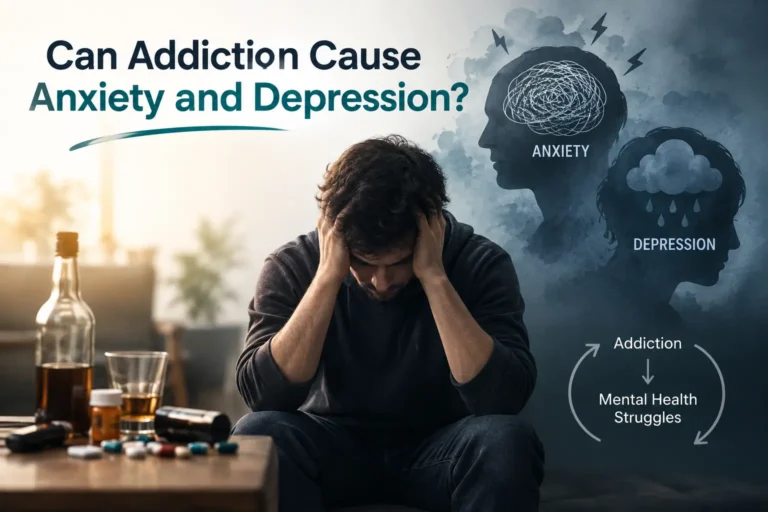
Anxiety and Depression: Cause, Effect, or Both

It can actually work in either direction: for some, the substance is taken as a cure for underlying psychological suffering, i.e a sufferer’s depression, anxiety or trauma are ‘medicated’ by the use of it. Other people’s use leads to them feel anxious/depressed because their whole life is narrowed to scoring the substance that makes them feel alive and so causes further misery on the way. The vast majority agree that for most, BOTH forms are occurring alongside each other. This form of problem is known as “dual diagnosis” or “concurrent disorder”.

The Sufferer’s Emotional Functioning Breaks Down

It’s a lot quieter aspect of what substance use actually causes for sufferers. Most people have to tolerate discomfort, sit with negative feeling and react cautiously to stressful circumstances in healthy emotional functioning. Addiction attacks the use of a sufferers abilities and when a substance becomes the go to solution to each negative emotion experienced, it never needs the practice to evolve other responses to stress. What can be seen: High degrees of irritability Mood swings where emotion are extreme and quick to happen Inability to stand and cope with routine disappointment or irritation Periods of low mood or emotional numbness which lead to waves of emotions in large, but quick, quantities

The Damage Incurred on Social/Familial Relationships of an Addiction

Mental health can only exist with social support, addiction is devastating to it. Trust slowly breaks down when it becomes normal to make promise after promise only to break each one and when suffering feels alone due to secrecy. Self-hatred grows in the sufferers, often creating feelings of isolation which promote a need for continued addiction. Social support decreases and increases loneliness which leads more to mental health issues like addiction that it combats them