How Yoga and Meditation Support Addiction Recovery in Haldwani Clinics
Recovery from addiction is rarely a straight line. Alongside medical detox and counseling, the body and mind need tools to manage stress, cravings, and the emotional turbulence that often triggers relapse. This is where yoga and meditation have earned a growing place in addiction treatment — not as a replacement for clinical care, but as a powerful complement to it. At Hamara Sankalp Nasha Mukti Kendra in Haldwani, yoga and meditation are woven into the daily recovery routine, helping patients across the Kumaon region — from Almora to Ranikhet to Pithoragarh — heal more holistically.
The Science Behind the Practice
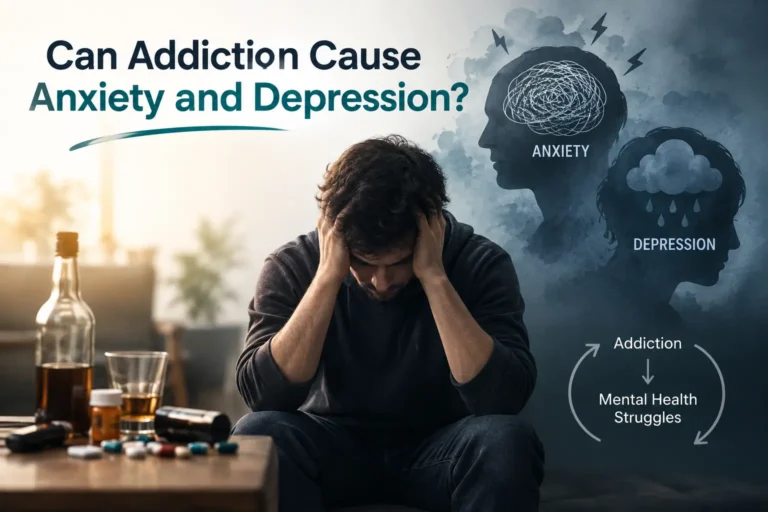
Addiction reshapes the brain's reward and stress-response systems, leaving patients more vulnerable to anxiety, depressive symptoms, and intense cravings — especially in early recovery. Researchers have found that yoga helps regulate the body's stress hormones, easing the heightened blood pressure, rapid heart rate, and tension that often accompany withdrawal. Some studies point to yoga's effect on GABA, a neurotransmitter that calms the nervous system, which may explain why regular practice reduces anxiety during detox.
Meditation works on a related but distinct level. A review covering multiple meditation techniques found meaningful relief from depressive symptoms among participants, and researchers have noted that mindfulness-based approaches — developed over more than three decades of study — improve sleep quality, reduce chronic stress, and support emotional regulation. One clinical comparison of alcohol-dependent patients found that those who combined standard treatment with yoga reduced their alcohol consumption more than those receiving standard treatment alone, suggesting a genuine synergistic effect rather than just a feel-good add-on.
Breathwork-based practices, including structured techniques rooted in yogic breathing, have also shown promise in reducing cravings and withdrawal symptoms, particularly for those recovering from substance dependence, by calming the stress response that so often precedes relapse.
Why It Matters for Relapse Prevention
Cravings and emotional triggers are closely tied to the body's stress response. When a patient can recognize rising tension and has a practiced way to calm it — through breath control, a grounding posture, or a few minutes of focused meditation — they gain a concrete tool for the moment a craving strikes. Over time, this builds resilience: patients become better at riding out difficult emotions instead of reaching for a substance to numb them.
Yoga also rebuilds something addiction often erodes — a sense of connection to one's own body and inner discipline. The combination of movement, breath, and stillness gives patients a structured, screen-free routine that restores a sense of control over their day, which is often deeply healing after the chaos addiction can bring to family and work life.
How Hamara Sankalp Integrates Yoga and Meditation
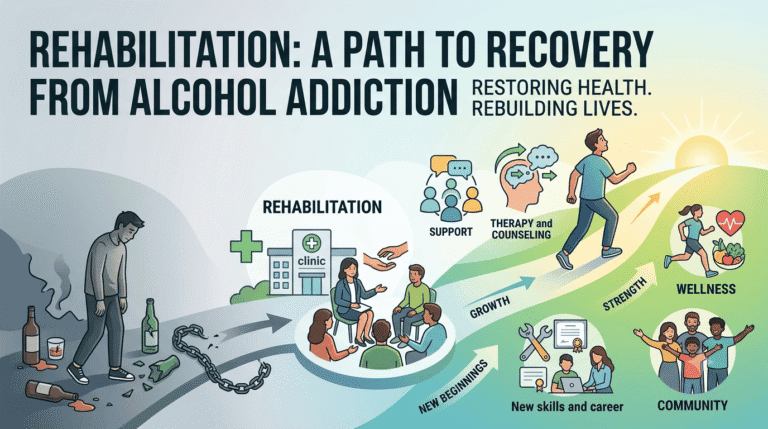
At our Haldwani center, yoga and meditation sessions are built into the daily schedule alongside individual counseling, group therapy, and family involvement programs. Guided by trained instructors, sessions are adapted to each patient's physical condition and stage of recovery — gentle breathing and stretching in early detox, moving toward more structured asana practice as strength and stability return.
For families across the Kumaon hills searching for a Nasha Mukti Kendra that treats recovery as more than just detox, this integrated approach — medical care paired with yoga, meditation, and community support — reflects Hamara Sankalp's belief that lasting sobriety is built on healing the whole person: body, mind, and spirit.
If you or a loved one is seeking addiction treatment in Haldwani or the wider Kumaon region, reach out to Hamara Sankalp Nasha Mukti Kendra to learn more about our holistic recovery programs.
Content