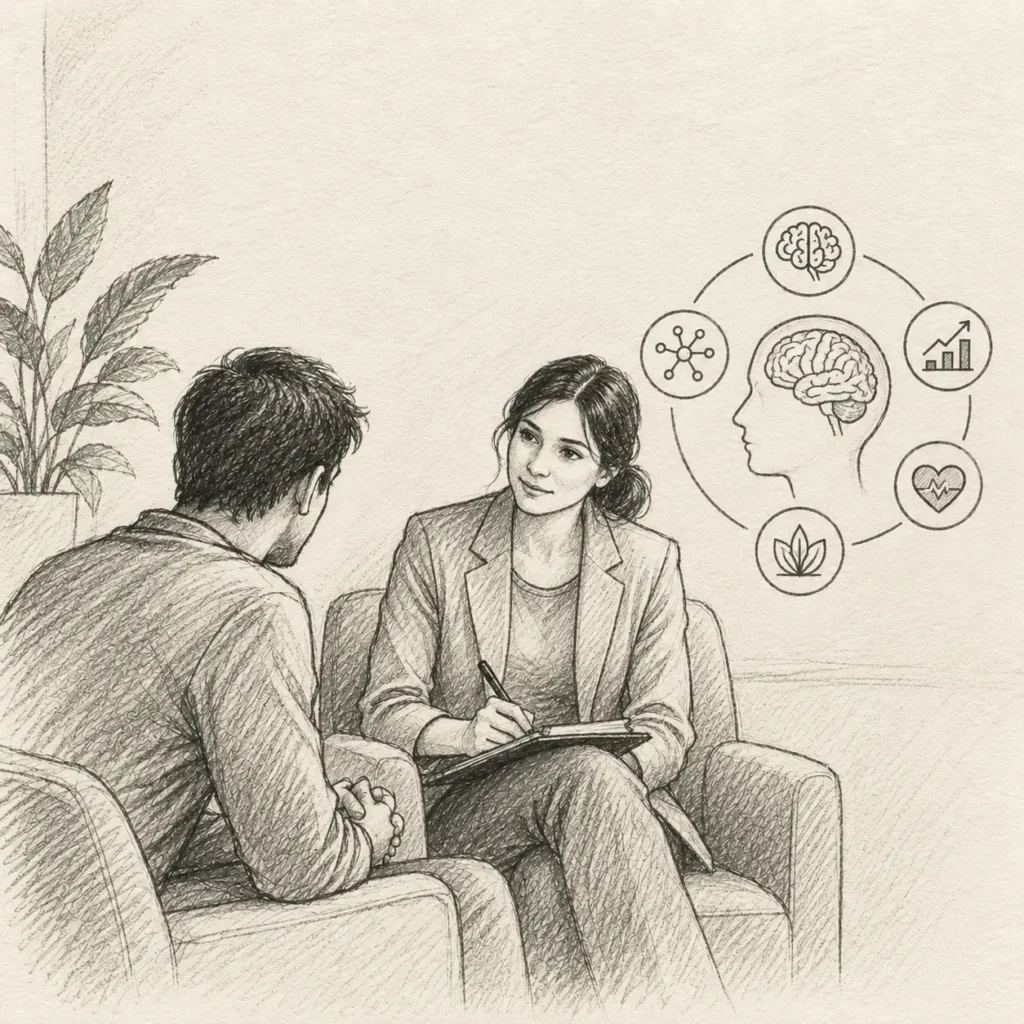
To be fair, one of the most popular misconceptions about addiction counselling is that it “is just talking” and that it won’t be very effective against a physical addiction. While this myth may be the most popular, it’s also the most wrong. Decades of clinical study have shown that the brain, behaviour and relapse rate are statistically altered in psychotherapy and not just someone’s perception of reality.
Other people are going to be key. As shocking as this may seem, an obvious difference, say, from a pill is that the presence of the pill itself is apparent; it makes itself evident because it is visibly seen, and that is something that is not so obviously apparent for talking.
Addiction is a behaviour learned through association of thought, behaviour and emotional processes. This behaviour can be changed through effective counselling which practitioners work to change these reinforcing patterns of thought, behaviour and emotional coping, one at a time, using evidence based techniques:
is used to help a person identify the alcohol- or drug-using situations and thoughts that lead to drug- or alcohol-seeking behaviour and replace them with more appropriate coping mechanisms. Meta-analyses of CBT for substance use disorders report moderate to large effects of treatment versus no-treatment conditions.
is effective for overcoming ambivalence to change. MI is found to enhance treatment engagement and completion, especially among individuals uncertain about their change. Contingency Management involves the provision of scheduled incentives for verified abstinence. It has been rated as one of the most effective behavioural intervention for substance use disorders in many randomised controlled trials. Relapse Prevention Therapy informs people about the individual triggers that may affect them and how they can prepare themselves before any relapse triggers: this is what reduces relapse rates in follow-up research.
Brain-imaging research indicates that treatment, such as therapy, alters activity in brain areas associated with impulse control and decision-making, including the prefrontal cortex. Counselling, over time, seems to help re-establish some of the self-regulation that substance use knocks out of the brain. That’s not a metaphor. It is quantifiable, at the level of the brain.
When it comes to drugs such as alcohol, opioids and nicotine, medicine can deal with the physical dependence and cravings. But medicine is not enough to change the thoughts, stress reactions and environmental cues that maintain drug use. Studies involving thousands of people show that these two approaches combined can lead to far better long-term results than either approach used alone. So the WHO and other international treatment guidelines recommend this approach.
It’s also different to an unstructured chat. A trained counsellor will use techniques, using evidence-based approaches, and showing progress over time. It’s more like physiotherapy — the re-education of the brain — where you revisit the same exercises repeatedly until they work again, instead of just having the first chat.
To dismiss counselling as simply ‘talking’ ignores decades of scientific research. It is a systematic, skills-based intervention that has quantifiable impacts on behaviour, brain activity and long term recovery. As with any medical intervention, the effects it produces will depend on the way in which it is provided and the extent to which it is used, but the evidence is clear.
best nasha mukti kendra haldwani गर्व से WordPress द्वारा संचालित