श्रेणी: Addiction

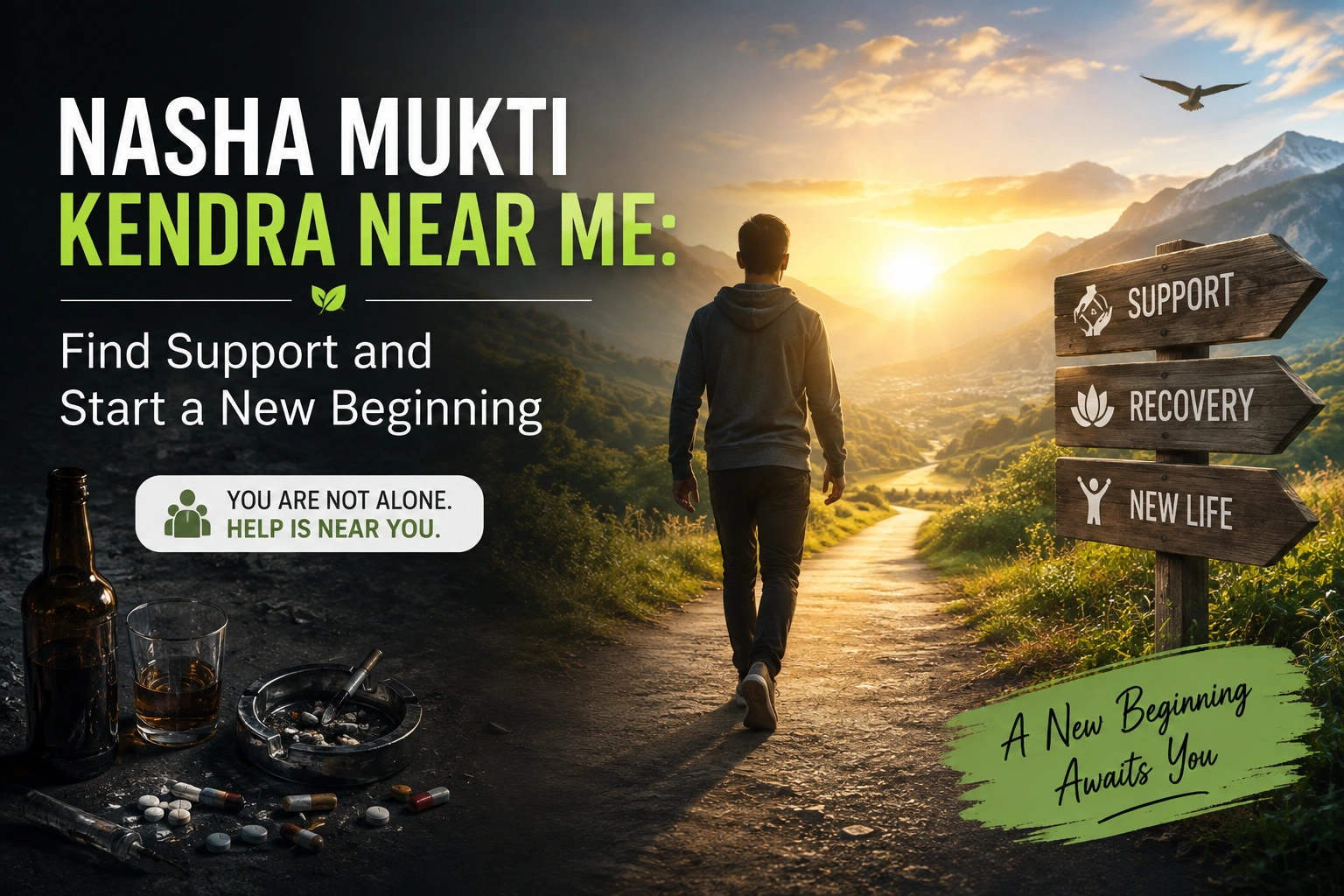
  • Nasha Mukti Kendra Near Me: Find Support and Start a New Beginning

    Nasha Mukti Kendra Near Me: Find Support and Start a New Beginning

    Nasha Mukti Kendra Near Me: Find Support and Start a New Beginning

    “Nasha Mukti Kendra Near Me”, there is usually an element of urgency in their pursuit. Either they or someone they know needs assistance, or there’s an impending threat to their daily lives caused by addiction, work-life balance or relationships.

    If you’re in Haldwani and Uttarakhand searching for a Nasha Mukti Kendra, Hamara Sankalp Nasha Mukti Kendra can provide rehabilitation in a welcoming and caring environment for your loved one on their road to recovery. The rehabilitation centre is ideally located in Haldwani and is open 24×7 for the people in search for hope and healing.

    Why search for a Nasha Mukti Kendra near you?

    Proximity to your house is definitely an added advantage when searching for a Nasha Mukti Kendra Near Me. Families can visit and check on their loved ones and be actively involved in the recovery process. However, choosing a rehabilitation centre should not be based only on distance.

    When looking for a Nasha Mukti Kendra Near Me, it’s also important to inquire about and understand the various treatments offered at the centre, the kind of atmosphere provided, the support from the staff, and the rehabilitation programmes.

    Every individual’s journey of recovery is different, and therefore, it may require varied treatments and support systems.

    More Than Just the Absence of Addiction.

    Hamara Sankalp Nasha Mukti Kendra in Uttarakhand helps you to walk towards a healthier and a much more stable lifestyle. A full-fledged rehabilitation journey often involves healthy routine, the guidance of counselors and the support provided from therapy-based activities, recreational and therapeutic activities, and family counseling. It not only just involves ceasing all addictive behaviours but also learning positive coping skills and healthy habits for life after rehabilitation.

    A Place Where Recovery Is Embraced.

    Most families find it difficult to imagine their family members experiencing the stigma associated with addiction. Creating a positive space for their recovery is essential to ensure they can focus solely on healing and improvement without feeling apprehensive or judged.

    In their recent public reviews, Hamara Sankalp have been acclaimed by customers for creating a supportive environment for the patients during the rehabilitation period

    How You As A Family Can Take the First Step

    The first step towards recovery can be the most challenging, especially for families who are often worried and may not be sure how to broach the subject. Instead of waiting for the situation to worsen, it’s advisable to look for a Nasha Mukti Kendra Near Me that is well-established and offers support not only for those battling addiction but also for their families.

    When exploring different options, ask them about:

    • The treatment and counseling process
    • The qualified staff, therapists, and psychiatrists available
    • The daily schedule and activities
    • Family counseling and involvement
    • Aftercare and follow-up plans

    Hamara Sankalp Nasha Mukti Kendra, Uttarakhand

    If you are searching for a Nasha Mukti Kendra Near Me, there’s hope for you and your family. We at Hamara Sankalp Nasha Mukti Kendra in Haldwani aim to offer comprehensive rehabilitation for people looking for to overcome their addiction.

    Recovery takes time and effort, but with a supportive environment and the right guidance, you or your loved ones can take a big step towards a healthier future.

    For more information and to inquire about admissions and available rehabilitation programs, contact Hamara Sankalp Nasha Mukti Kendra.
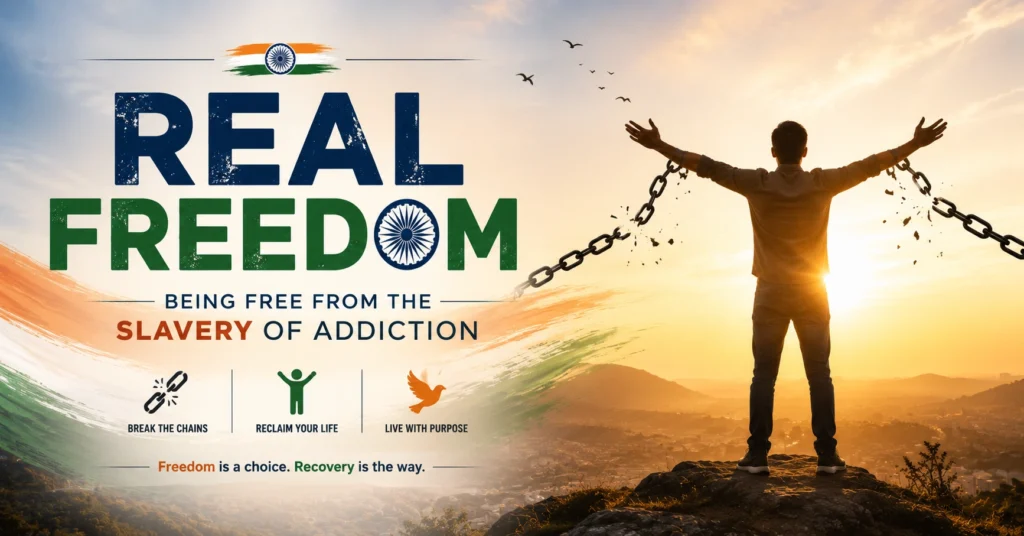
  • Real Freedom: Being Free from the Slavery of Addiction

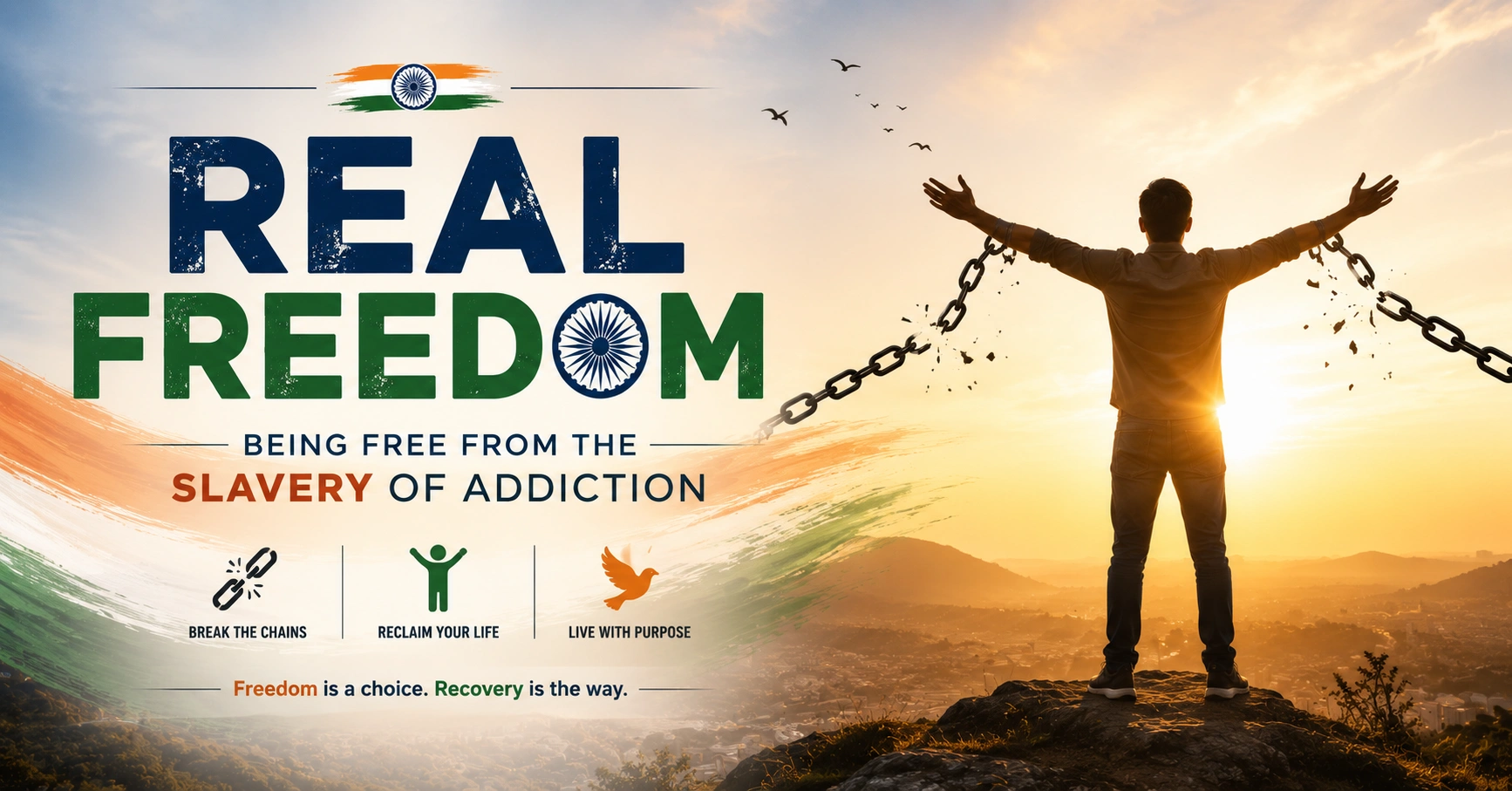
    Real Freedom: Being Free from the Slavery of Addiction

    Real Freedom: Being Free from the Slavery of Addiction

    hamara-sankalp-nasha-mukti-kendra

    When the Country Became Free, but We Are Still Captive!

    Every year, on the 15th of August, we all hoist and salute the tricolor, raise our voices singing the patriotic songs, and honor the fallen heroes who fought for this freedom – the freedom from the British regime. But, in this moment of celebration and remembrance, are we all actually free?

    Today, a large segment of our country is entangled in the slavery of addiction, whose shackles are unseeing, unhearing and unseen but felt – in every moment, in every passing second. In the slavery of liquor, tobacco, drugs, or any other addiction – one person becomes so weakened from within that he himself offers the decision-making powers, and even his life, into the hands of another.

    What Actually Is This Freedom?

    So, here, addiction means to compromise on freedom. Freedom isn’t just the name of an end to the foreign regime. The name of freedom can simply be as… to be yourself. To live life making your own decisions. To have authority over your life and over yourself. To live life while cherishing loved ones.

    To live in society – head held high, without fear and shame – this can be called freedom.

    Addiction takes every kind of freedom from you. When someone is a victim of any addiction, that person becomes a complete prisoner within the four walls of his own house. His mind, his family, his own dignity – everything belongs to an addict.

    The Challenge of the Kumaon Region

    From Haldwani to Ranikhet and from Almora to Pithoragarh – every city and village in the Kumaon region is currently suffering from the disease of addiction. On one side, the lack of public transport in the hilly region has caused a lack of employment opportunities, while on another hand, the society does not have awareness about some of the issues of health – and this gives way to this very social problem called addiction. And because any challenge has a remedy to it, here is how our social issue gets resolved.

    Hamara Sankalp Nasha Mukti Kendra – New Hope to Freedom!

    Hamara Sankalp Nasha Mukti Kendra, based in Haldwani (Uttarakhand), is providing new rays of hope by bringing people out of the vicious cycle of this cruel curse of addiction – not only from Kumaon but from all regions. Yes, because our family members deserve a 2nd life again, so they too should take a pledge of freedom.

    We, the Hamara Sankalp family, believe that every living soul deserves a second life! And that’s why our services include:

    1. Medically Supported Detoxification
    2. Psychosocial Counseling (Individual and Group Therapy)
    3. 12 Steps (for community support)
    4. Yogic Practices and Meditation Techniques
    5. Family and Spouse Counseling Programs

    The Dawn of Freedom Begins with a Simple Decision!

    1947 brought forth freedom at the cost of immense sacrifice and commitment from many of our ancestors who fought very gallantly. Today, we only have to take one step, one decision – no to addiction – a decision to take help and start afresh and be free truly once again!

    If you or any of your loved ones is affected by addiction and struggling in their everyday life, just remember this thing in your mind: “Taking help is not weakness but courage.” So come forward this 15th August, as we together take a new oath of achieving freedom of life by saying NO TO ADDICTION.

    Hamara Sankalp Nasha Mukti Kendra, Haldwani – by your side, every single step of the journey!

  • The Science Behind Addiction Recovery: Why Professional Treatment Matters

    The Science Behind Addiction Recovery: Why Professional Treatment Matters

    The Science Behind Addiction Recovery: Why Professional Treatment Matters

    Hamara_sankalp_de-addiction

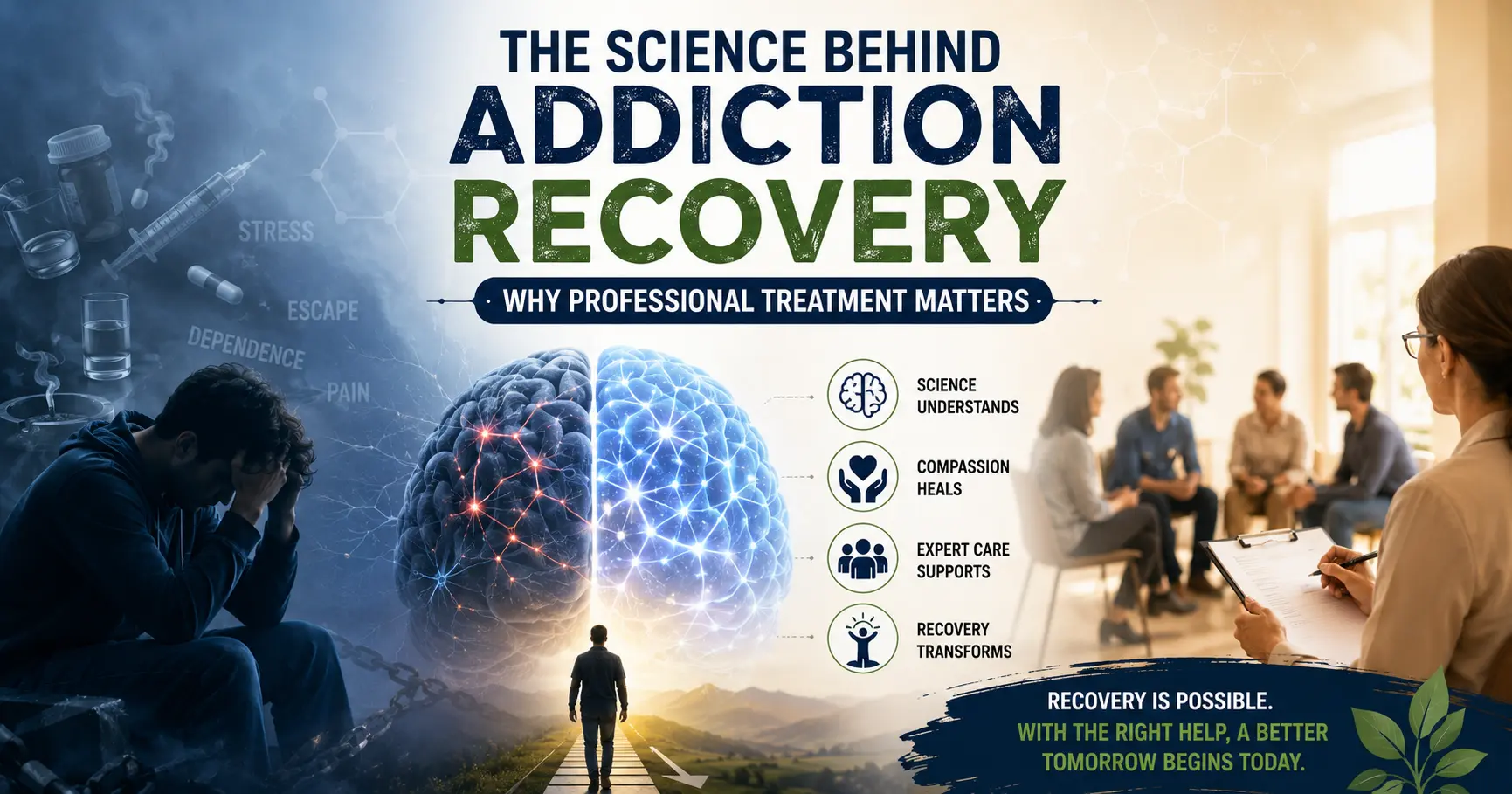
    Addiction is often misunderstood as a matter of willpower — a choice that a person simply refuses to reverse. This misconception continues to prevent countless individuals from seeking the help they genuinely need. In reality, addiction is a complex neurological condition that rewires the brain’s reward, motivation, and decision-making systems. Understanding the science behind this process is the first step toward recognizing why professional treatment, not self-discipline alone, is essential for lasting recovery.

    How Addiction Changes the Brain

    At its core, addiction is a disorder of the brain’s reward circuitry. Substances such as alcohol, opioids, and other drugs trigger an intense release of dopamine, the neurotransmitter associated with pleasure and reinforcement. Over time, repeated exposure to this artificial flood of dopamine alters the brain’s natural chemistry. The reward pathways become desensitized, meaning the individual needs increasingly larger amounts of the substance just to feel a sense of normalcy, let alone pleasure. This is compounded by changes in the prefrontal cortex, the region responsible for judgment, impulse control, and long-term decision-making. Chronic substance use weakens this area’s ability to override cravings, which explains why individuals struggling with addiction often continue harmful behavior despite being fully aware of its consequences. It is not a failure of character; it is a measurable, physiological change in how the brain functions. This is precisely why willpower alone is rarely enough. Asking someone to “just stop” is akin to asking someone with a broken leg to walk without treatment. The underlying biology must be addressed, not just the behavior on the surface.

    Why Detox Alone Is Not Recovery

    Many people assume that detoxification — the process of clearing substances from the body — marks the end of addiction treatment. In truth, detox is only the beginning. While it manages the physical withdrawal symptoms, it does nothing to address the psychological patterns, emotional triggers, and behavioral habits that led to substance dependency in the first place. Without structured follow-up care, relapse rates after detox alone remain extremely high. This is because the brain’s altered reward pathways and learned behavioral responses to stress, trauma, or environmental cues persist long after the substance has left the body. Sustainable recovery requires addressing both the biological and psychological dimensions of addiction simultaneously.

    The Role of Professional, Structured Treatment

    This is where professional de-addiction centers play an irreplaceable role. Effective treatment programs are designed around a combination of medical supervision, psychological therapy, and structured lifestyle rebuilding — each targeting a different layer of the addiction cycle. 1. Medical Supervision Withdrawal from substances like alcohol or opioids can be physically dangerous, sometimes life-threatening, without proper medical oversight. Professional centers ensure that detoxification happens safely, with trained staff monitoring vital signs and managing complications as they arise.
    2. Psychological Therapy Cognitive Behavioral Therapy (CBT) and other evidence-based counseling methods help individuals identify the thought patterns and emotional triggers that fuel substance use. Therapy also addresses co-occurring mental health conditions such as anxiety, depression, or trauma, which are frequently intertwined with addiction but often go undiagnosed without professional support.
    3. The Twelve Step Approach Structured peer-support frameworks, such as the Twelve Step model, provide individuals with a community of people who understand their struggle firsthand. This sense of shared accountability and mutual support has been shown to significantly improve long-term sobriety outcomes.
    4. Holistic Practices Recovery is not solely a clinical process. Practices such as yoga and meditation help regulate the nervous system, reduce stress hormones, and rebuild the mind-body connection that addiction often disrupts. These practices complement medical and psychological treatment by giving individuals healthy coping mechanisms to replace substance use.
    5. Family Involvement Addiction rarely affects only the individual — it reshapes the dynamics of entire families. Professional treatment centers often incorporate family counseling to rebuild trust, improve communication, and equip loved ones with the tools to support recovery rather than inadvertently enable relapse.

    Relapse Is Part of the Process, Not a Sign of Failure

    One of the most important scientific insights into addiction is that relapse does not indicate a failed recovery. Addiction is classified as a chronic, relapsing condition, much like diabetes or hypertension. Just as a diabetic patient may need to adjust their treatment plan over time, individuals recovering from addiction may require ongoing support and adjustments to their care plan. This is why aftercare and continued monitoring are critical components of any credible treatment program. Recovery is not a single event but an ongoing process that requires sustained effort, professional guidance, and a supportive environment.

    Why Location and Accessibility Matter

    For many individuals, particularly those in smaller towns and semi-urban regions, access to quality de-addiction treatment remains a significant barrier. Regions such as Haldwani and the broader Kumaon belt — including Almora, Ranikhet, and Pithoragarh — have historically had limited access to specialized rehabilitation services, forcing families to travel long distances during an already difficult time. Expanding access to professional, evidence-based treatment in these regions is not just a matter of convenience; it directly impacts recovery outcomes. Timely intervention, delivered close to home, allows for stronger family involvement and reduces the logistical and financial burden that often discourages people from seeking help in the first place.

    Conclusion

    addiction is not a moral failing — it is a medical condition rooted in real, observable changes to brain chemistry and function. Recognizing this shifts the conversation away from blame and toward what actually works: comprehensive, professional treatment that addresses the physical, psychological, and social dimensions of recovery. For anyone supporting a loved one through this journey, understanding the science can be the first step toward compassion instead of frustration. And for those seeking help themselves, know that recovery is not about willpower alone — it is about accessing the right combination of medical care, therapy, community support, and time. Professional treatment does not just help people stop using substances. It helps them rebuild a life worth staying sober for.

  • Addiction Is Not a Shame, It’s a Cry for Help That Society Refuses to Hear

    Addiction Is Not a Shame, It’s a Cry for Help That Society Refuses to Hear

    5 Truths About Addiction Stigma Society Ignores – Addiction Is Not a Shame, It’s a Cry for Help That Society Refuses –

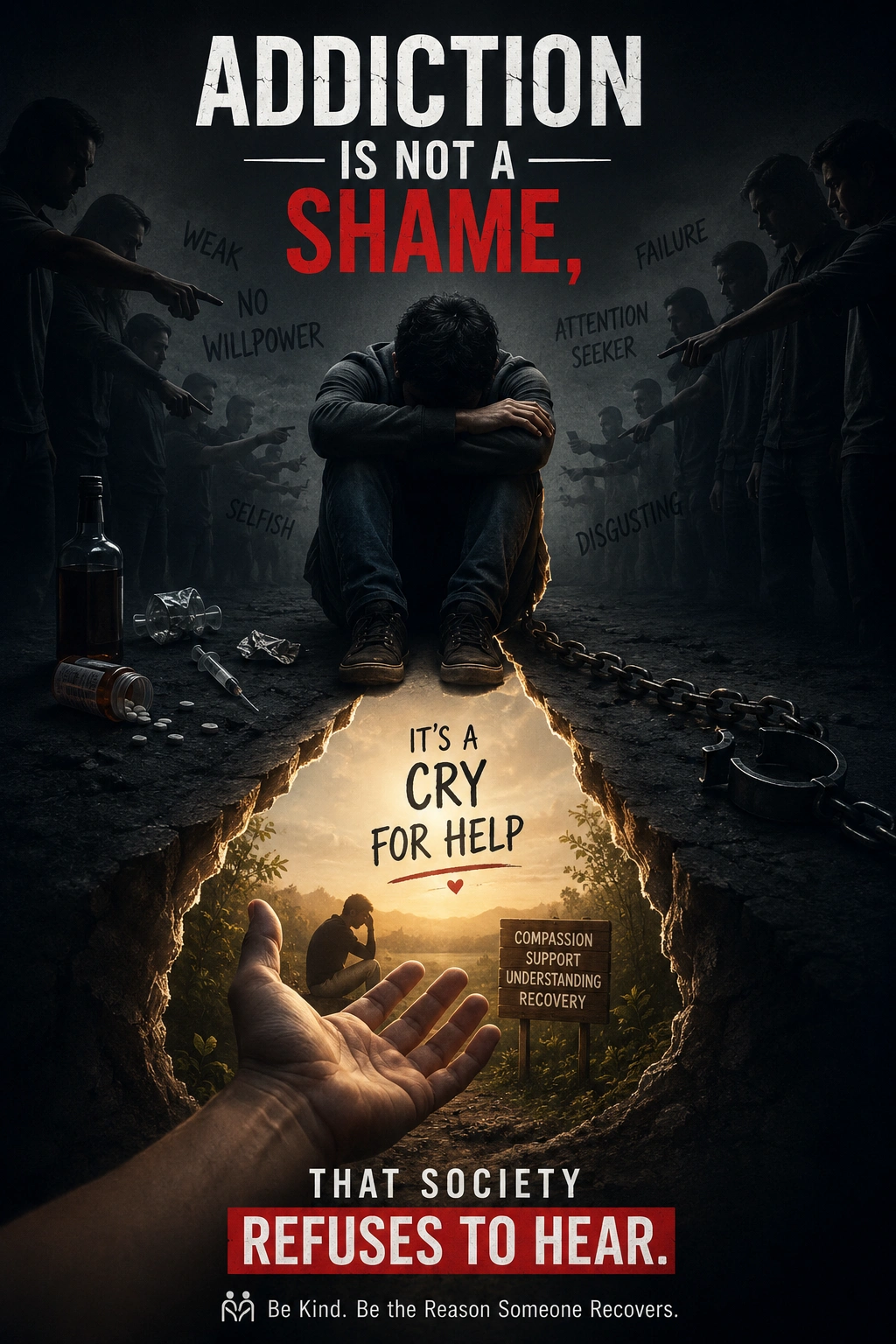
    We often look at someone struggling with addiction and silently label them as weak, careless, or even a bad person. It’s an easy judgment to make from the outside. But few people stop to ask the harder question: what if this person wants nothing more than to escape the very thing that’s consuming their life — and simply hasn’t found the right way out?

    The Person Behind the Addiction

    Addiction rarely starts as a choice to ruin one’s life. It often begins as an attempt to cope — with pain, with loss, with pressure, with a wound no one else could see. Over time, what started as an escape becomes a trap. The person isn’t choosing to stay stuck. They’re fighting a battle inside their own mind, often alone, often in silence.

    Ask anyone who has walked this path, and you’ll hear a similar truth: they want to stop. They want their old life back. They want to look their family in the eye without guilt. But addiction rewires the brain in ways that make “just stopping” far more complicated than willpower alone can fix.

    The Weight of Society’s Judgment

    Perhaps the cruelest part isn’t the addiction itself — it’s how society responds to it. Instead of support, there’s suspicion. Instead of compassion, there’s distance. Family gatherings grow quieter around them. Neighbors whisper. Even those closest to them sometimes start treating them as if they’ve forfeited their right to be treated with dignity.

    This isolation doesn’t help anyone recover. If anything, it pushes people deeper into the very behavior everyone wants them to stop. When someone feels like the world has already decided who they are, it becomes even harder to believe they can become someone else.

    Why “Just Stop” Doesn’t Work

    If overcoming addiction were as simple as deciding to stop, very few people would remain trapped in it. The truth is, addiction changes how the brain processes stress, reward, and self-control. It’s not a matter of character — it’s a medical and psychological condition that requires real support, real treatment, and real patience. Telling someone to “just have more willpower” is like telling someone with a broken leg to just walk normally. The intention behind the addiction — the pain it was covering — still needs to be addressed. Without that, recovery becomes nearly impossible to sustain alone.

    What Actually Helps

    What people struggling with addiction need isn’t judgment — it’s a path forward. That path usually includes:

    • A safe space to be honest without fear of being shamed
    • Medical support to manage the physical side of dependency
    • Counseling to understand and address the emotional root causes
    • A support system — family, friends, or professionals — who choose understanding over blame

    Recovery is possible. It happens every day. But it happens far more often when someone is met with compassion instead of condemnation.

    Changing the Way We See Addiction

    If we want fewer people trapped in addiction, we need to change the way we talk about it — as a society, as families, and as individuals. Instead of asking “why can’t they just stop,” we need to start asking “what happened to them, and how can we help them heal?”

    Every person struggling with addiction is still a person — someone’s child, sibling, parent, or friend. They didn’t wake up one day choosing this life. They’re often fighting harder than anyone realizes, just to hold on.

    The least we can offer them is the same thing we’d want if we were the ones struggling: understanding, patience, and a reminder that they still deserve to be helped, not abandoned.

  • Alcohol Addiction vs Social Drinking | How to Tell the Difference

    Alcohol Addiction vs Social Drinking | How to Tell the Difference

    Alcohol Addiction vs Social Drinking | How to Tell the Difference

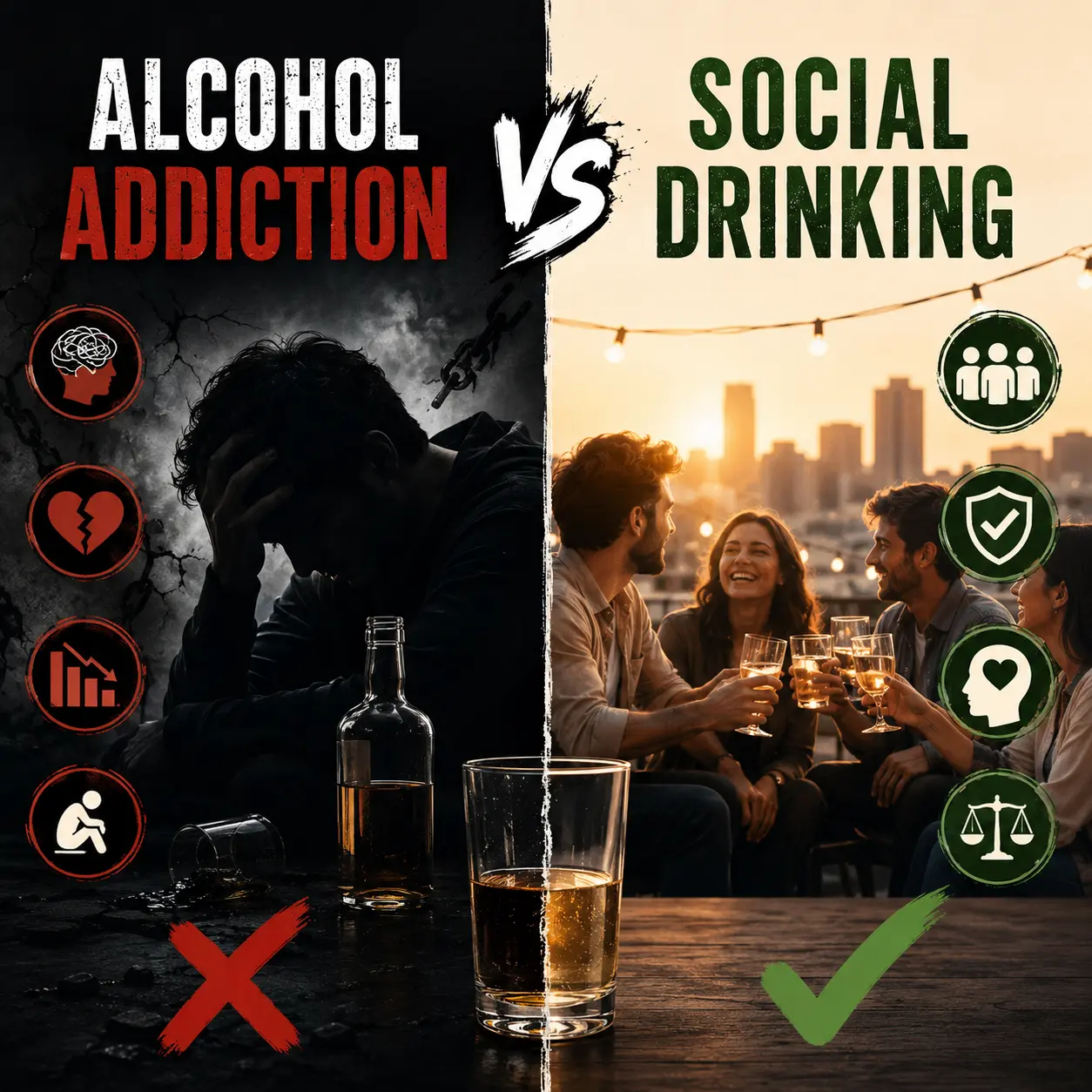
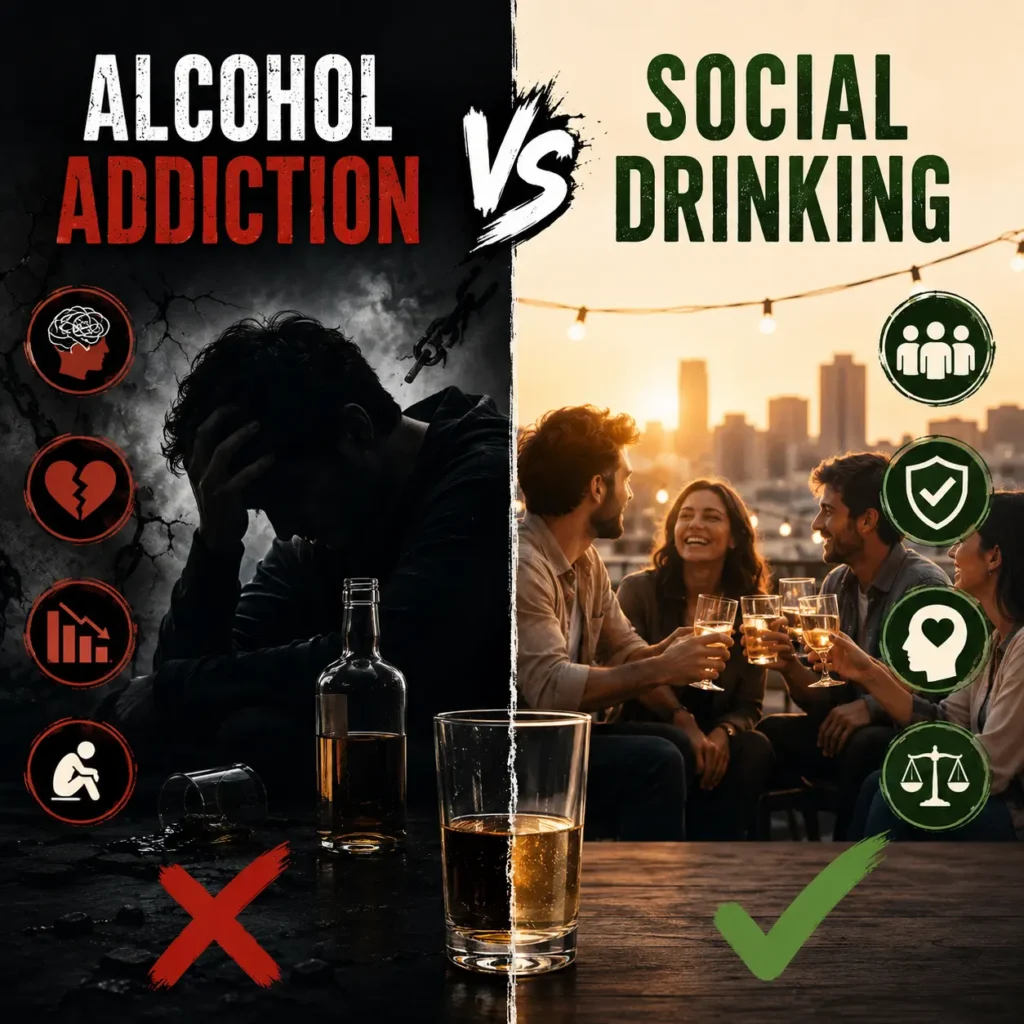
    Alcohol Addiction vs Social Drinking

    A glass of wine at a wedding. A beer with friends after work. A celebratory toast on a birthday. For most people, alcohol is woven into social life without ever becoming a problem. But for others, what starts as occasional drinking slowly turns into something they can no longer control — and often, neither the person nor their family notices the shift until it has already caused serious damage.

    Understanding where “social drinking” ends and “alcohol addiction” begins is one of the most important things a family can learn, because early recognition can mean the difference between a simple course-correction and years of struggle.

    What Social Drinking Actually Looks Like

    Social drinking is occasional, situational, and controlled. A social drinker:


      • Drinks only in specific settings — parties, celebrations, or casual get-togethers

      • Can easily stop after one or two drinks

      • Goes days or weeks without any alcohol and doesn’t think about it

      • Never drinks to cope with stress, sadness, or anxiety

      • Has no difficulty fulfilling work, family, or social responsibilities

      • Feels no guilt, secrecy, or defensiveness around their drinking habits

    In short, alcohol plays a small, optional role in their life. It is a choice, not a need.

    Where Alcohol Addiction Begins

    Alcohol addiction (also called Alcohol Use Disorder) develops gradually. It rarely announces itself with a single dramatic moment — instead, it creeps in through small changes in frequency, quantity, and reason for drinking. Some of the clearest warning signs include:

    1. Drinking Alone or in Secret Social drinkers drink around others; someone struggling with addiction often starts drinking alone, hiding bottles, or lying about how much they’ve consumed.

    2. Increasing Tolerance Needing more alcohol over time to feel the same effect is one of the earliest physical signs that the body is adapting to regular alcohol use.

    3. Drinking to Cope, Not to Celebrate When alcohol becomes a way to manage stress, loneliness, anger, or emotional pain rather than a way to enjoy a social occasion, it signals a deeper dependency forming.

    4. Loss of Control Trying to “just have one drink” but ending up finishing the bottle. Planning to stop and being unable to.

    5. Neglecting Responsibilities Missing work, ignoring family duties, or skipping important commitments because of drinking or recovering from drinking.

    6. Withdrawal Symptoms Shakiness, sweating, irritability, nausea, or anxiety when alcohol is not consumed for a few hours or a day — this is a strong physical indicator of dependency.

    7. Continuing Despite Consequences Relationship conflicts, health warnings from doctors, or financial strain caused by drinking — yet the person continues anyway.

    8. Failed Attempts to Cut Down Repeatedly promising to drink less or quit, and repeatedly being unable to follow through.

    If even two or three of these patterns sound familiar — for yourself or someone you love — it’s worth taking a closer look rather than dismissing it as “just a phase.”

    Why Families Often Miss the Signs

    Alcohol addiction is often mistaken for a lifestyle habit because drinking itself is socially accepted. Families frequently rationalize early warning signs: “He only drinks with friends,” “She’s just stressed at work,” “It’s not every day.” This normalization is exactly what allows addiction to progress quietly, often for years, before it becomes a crisis.

    Another reason addiction goes unnoticed is shame. Many individuals struggling with alcohol dependency are high-functioning — they hold jobs, manage households, and appear “fine” on the surface — which makes both the individual and the family reluctant to acknowledge a problem exists.

    When to Seek Professional Help

    You don’t need to wait for a rock-bottom moment to seek help. If drinking has started to affect health, relationships, work, or emotional stability — even mildly — it’s the right time to consult a professional. Early intervention through counselling, medical detox, and structured rehabilitation is far more effective, faster, and less painful than waiting until the dependency becomes severe.

    At Hamara Sankalp Nasha Mukti Kendra, we understand that every individual’s relationship with alcohol is different. Our approach combines medically supervised detox, one-on-one counselling, and family support to help patients not just stop drinking, but rebuild a stable, healthy life. If you’re unsure whether it’s time to seek help, that uncertainty itself is often a sign worth exploring.

    Final Thought

    The line between social drinking and alcohol addiction isn’t about how much someone drinks on any single occasion — it’s about control, frequency, and purpose. Social drinking adds to life; alcohol addiction slowly takes over it. Recognizing the difference early, without judgment or denial, is the first and most important step toward recovery.

    If you or someone in your family is showing signs of alcohol dependency, reach out to Hamara Sankalp Nasha Mukti Kendra in Haldwani for a confidential consultation. Recovery is always possible — the sooner it begins, the easier the journey.