Substance abuse disrupts the brain’s natural reward system. Drugs and alcohol artificially flood the brain with dopamine, the chemical responsible for pleasure and motivation. Over time, the brain stops producing dopamine naturally, leaving a person feeling flat, anxious, or depressed without the substance.
Exercise offers a natural way to restore this balance. Physical activity triggers the release of dopamine, serotonin, and endorphins — the same feel-good chemicals disrupted by addiction. This is why many rehabilitation centers now include structured fitness routines as part of their treatment programs, alongside therapy and medical support.
1. Reduces Cravings and Withdrawal Symptoms Moderate exercise, such as walking, jogging, or yoga, has been shown to ease withdrawal symptoms like irritability, anxiety, and restlessness. Physical exertion gives the body a healthy outlet for the tension that builds during early recovery.
2. Improves Mental Health Depression and anxiety often accompany addiction, both as a cause and a consequence. Regular movement has a proven antidepressant effect, helping patients regain emotional stability without relying on external substances.
3. Restores Physical Health Long-term substance abuse takes a toll on the liver, heart, lungs, and immune system. Structured exercise helps rebuild strength, improve cardiovascular health, and repair some of the physical damage caused by years of substance use.
4. Builds Discipline and Routine Addiction often destroys daily structure. A consistent workout schedule reintroduces discipline, time management, and a sense of achievement — all of which are crucial for long-term sobriety.
5. Improves Sleep Quality Poor sleep is one of the most common relapse triggers. Physical activity, especially earlier in the day, helps regulate the body’s natural sleep-wake cycle, leading to deeper and more restorative rest.
6. Boosts Self-Esteem Completing a workout, however small, gives patients a genuine sense of accomplishment. This rebuilding of self-worth is often just as important to recovery as the physical benefits themselves.

Not every form of exercise suits every stage of recovery. Here are some options commonly recommended by rehabilitation professionals:
A well-structured de-addiction program should treat exercise as a core component, not an afterthought. This can include:
Exercise should always be introduced gradually and under professional supervision, especially during the early detox phase when the body is still healing. Overexertion can sometimes do more harm than good. A good rehabilitation center will tailor physical activity to each patient’s medical condition and recovery stage.
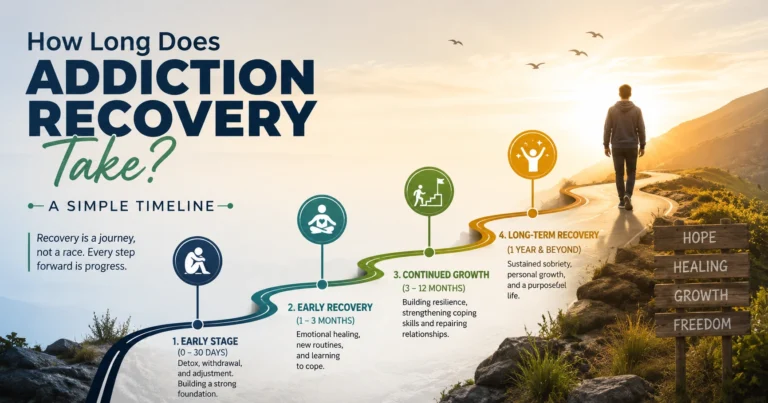
Addiction recovery is a long journey that requires healing on every level — physical, mental, and emotional. Physical exercise is not a replacement for professional treatment, but it is a powerful complement to it. By restoring the brain’s natural chemistry, rebuilding physical health, and instilling discipline, exercise plays a genuine role in speeding up recovery and reducing the risk of relapse.
If you or a loved one is struggling with substance abuse, seeking help from a professional de-addiction center that combines medical treatment, counseling, and physical wellness can make all the difference in building a lasting recovery.
best nasha mukti kendra haldwani गर्व से WordPress द्वारा संचालित