I promise, this is the last time. From now, everything will change. I love you all so much and I will never put you through this pain ever again.”
As a family member, you may have heard these words of reassurance numerous times. And although sometimes they are uttered as a means to soothe and placate, there are occasions where the individual with an addiction issue genuinely means every single word. They feel the guilt of the harm they’ve caused, regret the actions from the past, and sincerely desire a clean, happy life. But unfortunately, there are times when they start using again.
This must be confusing and heartbreaking for the loved ones. While it can feel like a broken promise, there is often more at play, and it’s not just about keeping or not keeping their word.
Let’s take a deeper dive into why it happens, and what families can do.
More Than a Bad Habit
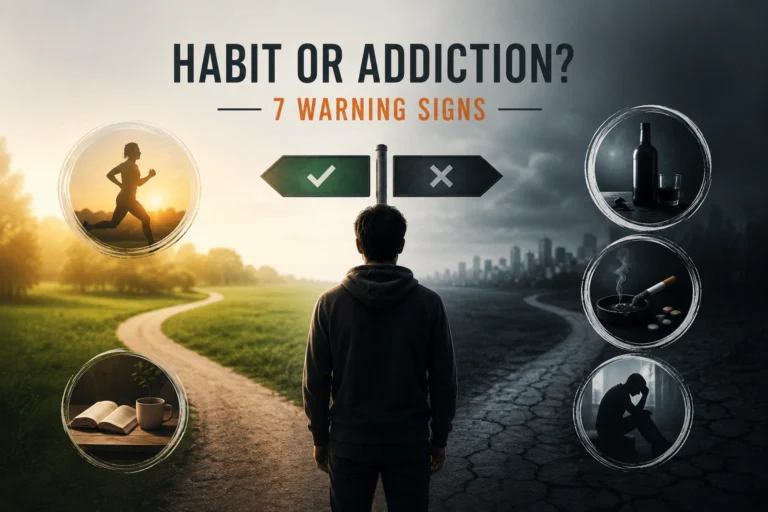
The biggest myth about addiction is that it’s an issue of willpower and a matter of just saying no. In reality, addiction is a disease that alters the brain, affecting decision-making, emotions, relationships, and all aspects of life. Even if someone understands how their addiction is destroying their family and future, the powerful craving and associated patterns can make staying clean incredibly challenging.
This explains why an individual can strongly want to quit, express the desire, yet still relapse.
Life Doesn’t Suddenly Become Easy
A person might have been using drugs or alcohol as a coping mechanism to numb difficult emotions or escape from stressful situations. These difficult situations don’t suddenly disappear when they decide to quit. Stressful life events – be it from work, relationships, financial trouble, or emotional turmoil – can act as triggers for relapse.
When the individual encounters the original issue that caused stress, the old habit of resorting to substances to cope may return.
Hence, a successful recovery program is one that teaches healthier ways of coping with stress.
The Trigger of Familiar Places and People
People in addiction have a history that is intricately linked with certain people, places, activities, and scenarios. Even if they quit the habit, the return to old environments where the habit was prevalent can trigger cravings. Catching up with old ‘friends’ associated with past usage, visiting known bars or drug scenes, or being in familiar triggering circumstances may serve as powerful reminders of the past. Recovery often entails creating new associations and distancing from triggers.
“I Can Do It Just Once” Can Be Dangerous
For some, the downward spiral begins with the tempting phrase, “I’ll just have one to see if I can handle it.” They may feel confident about being in control, but a single indulgence can reignite the addiction. The “just one” can often escalate to much more, eventually returning to the full extent of the addiction cycle. This highlights the importance of early intervention and recognizing warning signs.
It’s About More Than Just Saying No
Successfully overcoming addiction isn’t only about abstinence. It involves teaching the individual new skills and strategies, such as:
- Managing stress in healthy ways
- Dealing with emotional difficulties without substances
- Developing new, positive life routines
- Identifying individual triggers
- Rebuilding relationships
- Forming strong, supportive friendships
- Developing coping skills for cravings
- Seeking professional help when needed
In essence, recovery is about removing the destructive habit from someone’s life while building a new one that replaces it and reduces the desire to return.
What Can Families Do?
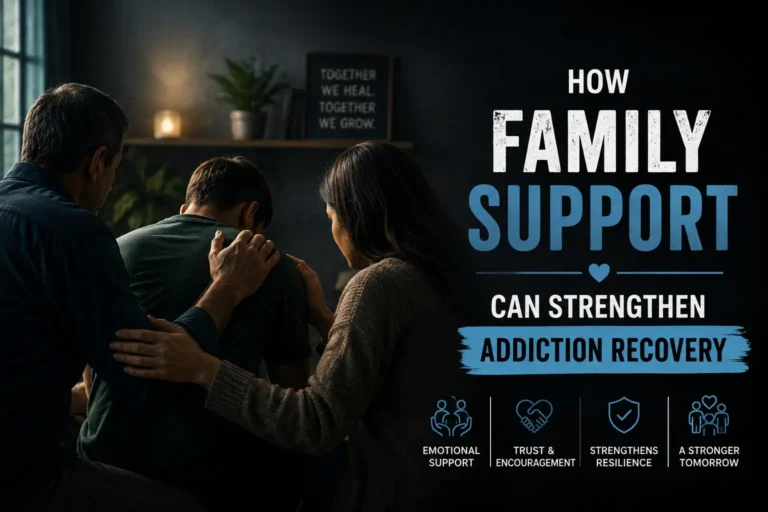
It’s natural for families to feel angry, betrayed, or exhausted. However, shaming and criticizing will likely not help. Instead, families should aim to understand the underlying cause.
What triggered the relapse?
Was there an emotional trigger?
Did they stop attending counseling sessions or connecting with their support system?
Were they exposed to tempting environments?
By understanding the trigger, you can assist your loved one in identifying what needs to change moving forward.
Remember this doesn’t mean accepting harmful behaviour or shielding the person from the consequences of their choices.
It means encouraging accountability and seeking professional assistance.
 |
| Hamara Sankalp De-addiction Center |
A Promise Is a Start
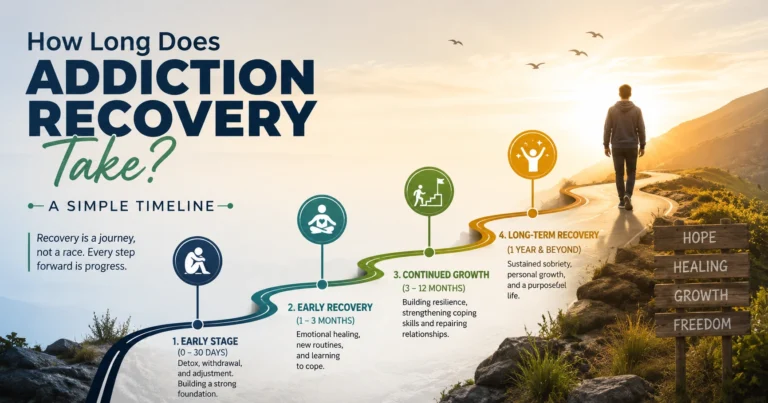
The promise of “I will quit, I love you” is a crucial step, but full recovery is almost always a process with ups and downs. There will be moments when resolve weakens. What matters is recognizing that relapse happens and choosing to get help, rather than giving up altogether.
If you or a family member is struggling with addiction, professional guidance can provide a structured and supportive path to recovery. Hamara Sankalp Nasha Mukti Kendra, Haldwani, Uttarakhand offers comprehensive treatment plans that focus on individual needs, therapy, and support in a conducive environment for rehabilitation.
Sometimes, those who have promised to quit don’t need another stern lecture or further condemnation. They may need help figuring out why they relapsed – and what can guide them to heal and truly move forward this time.