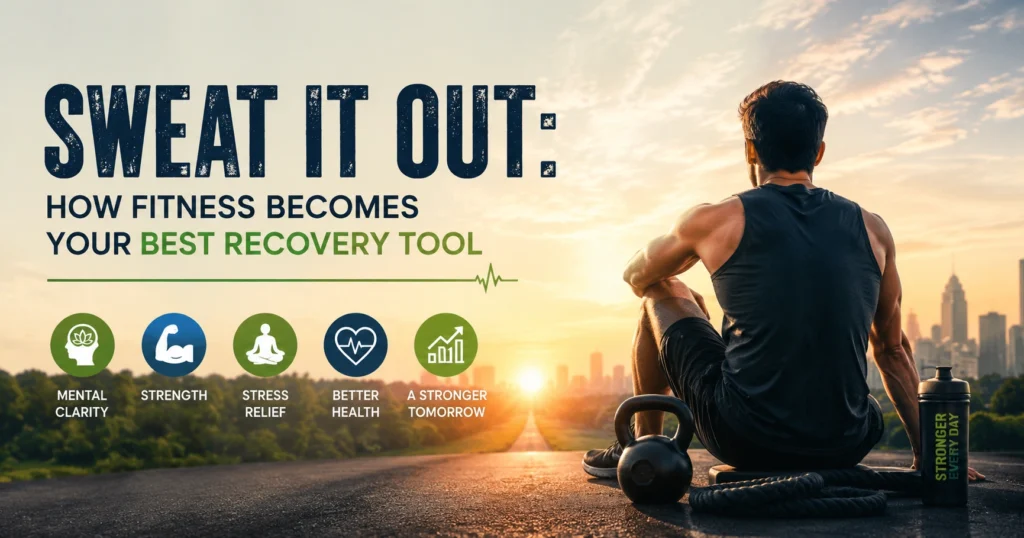
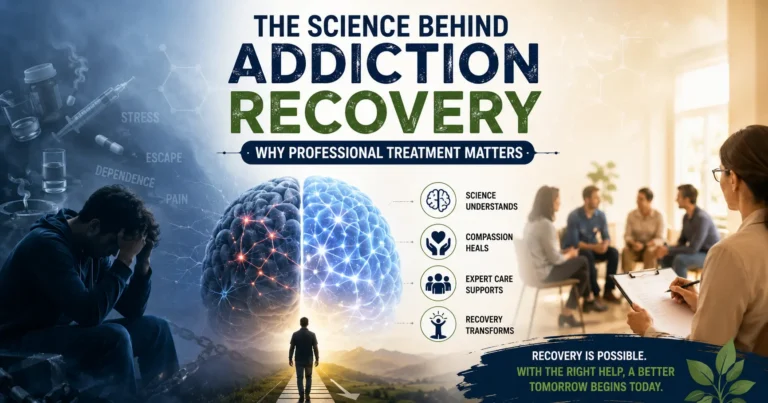
When people think about addiction recovery, they usually picture therapy sessions, support groups, and medical detox. Rarely does anyone imagine a gym mat, a pair of running shoes, or a yoga class playing a starring role. But for thousands of people rebuilding their lives after addiction, fitness has quietly become one of the most powerful tools in their recovery toolkit.
The Brain Craves Movement Too
Addiction hijacks the brain’s reward system, flooding it with dopamine and leaving natural sources of pleasure feeling dull in comparison. The good news? Exercise taps into that same reward system — naturally. A brisk walk, a workout session, or even a few sun salutations trigger the release of dopamine, serotonin, and endorphins, the same feel-good chemicals disrupted by substance abuse.
In other words, sweating it out isn’t just good for the body — it’s retraining the brain to find joy in healthy places again.
The Science of Feeling Good Again
Beyond the immediate mood boost, exercise has a longer-term effect on brain chemistry that matters deeply in recovery. Regular physical activity increases levels of a protein called brain-derived neurotrophic factor (BDNF), which helps repair and grow new brain cells — particularly in areas linked to memory, focus, and emotional regulation. These are often the exact regions weakened by long-term substance use.
This means fitness isn’t just a distraction from cravings; it’s actively helping the brain heal. Over weeks and months, many people in recovery report clearer thinking, better emotional control, and a stronger sense of stability — improvements that make the entire recovery process feel more manageable.
Cravings Don’t Stand a Chance
One of the hardest parts of early recovery is managing cravings and restless energy. Exercise gives that energy somewhere productive to go. Whether it’s lifting weights, going for a run, or joining a group sport, physical activity channels stress and tension into something constructive, making cravings easier to ride out instead of act on.
Building Routine Where Chaos Used to Live
Addiction often strips away structure from daily life. Fitness helps rebuild it. A consistent workout schedule creates a rhythm — wake up, move, feel accomplished, repeat. This small daily win builds momentum, and momentum builds confidence. Over time, showing up for a workout becomes a quiet reminder: I can commit to something good for myself.
Stronger Body, Steadier Mind
Recovery isn’t just an emotional journey — it’s a physical one too. Years of substance use can take a toll on the heart, lungs, and immune system. Regular movement helps repair this damage, restoring energy levels and physical strength. And as the body gets stronger, so does mental resilience. It’s hard to feel completely defeated when you’ve just crushed a workout you didn’t think you could finish.
Finding Your Fitness Fit
The good news is there’s no single “correct” way to sweat it out. Options include:
- Yoga – calming, gentle on the body, great for early recovery
- Walking or jogging – simple, low-pressure, and easy to build into a daily habit
- Group sports – adds a social element, reducing isolation
- Strength training – builds physical and mental resilience over time
The best fitness routine isn’t the most intense one — it’s the one you’ll actually stick with.
The Social Side of Sweating It Out
Isolation is one of the biggest risk factors for relapse, and fitness offers a natural way to combat it. Group workouts, recreational sports leagues, or even a regular walking buddy create built-in social connection without the pressure of a formal support group setting. Sweating alongside someone else — celebrating small wins together, showing up even on hard days — builds accountability and friendship at the same time.
Many rehabilitation centers have started recognizing this, incorporating group fitness sessions into treatment programs specifically because the community aspect strengthens commitment to recovery just as much as the physical activity itself.
Start Small, Stay Consistent
One trap many people fall into during early recovery is trying to do too much too fast — an ambitious workout plan that fizzles out within a week. The better approach is starting small. A 10-minute walk counts. Five minutes of stretching counts. Consistency matters far more than intensity, especially in the beginning.
As the body regains strength and the mind grows steadier, workouts can naturally become longer and more structured. This gradual build mirrors recovery itself — small, sustainable steps that compound into real, lasting change over time.
Not a Replacement, But a Powerful Partner
To be clear, fitness isn’t a substitute for professional treatment. Therapy, medical support, and structured counseling remain the foundation of recovery. But exercise complements that foundation beautifully, giving people a healthy outlet, a mood boost, and a tangible sense of progress they can feel in their own body.
The Takeaway
Recovery is hard work, but it doesn’t have to feel like punishment. Sweating it out — whether through a run, a yoga class, or a pickup game with friends — offers something addiction takes away: a genuine, earned sense of feeling good. And in recovery, that feeling can make all the difference between giving up and moving forward.
If you’re supporting someone through recovery, or navigating your own journey, know this: you don’t need a perfect fitness plan to start. You just need to move — even a little, even imperfectly. The rest builds from there.
Progress in recovery rarely announces itself with fireworks. More often, it looks like showing up for a walk on a day you didn’t feel like it, finishing a workout you thought you’d quit halfway through, or simply noticing that you slept a little better last night. Fitness gives recovery something tangible to hold onto — proof, written in effort and sweat, that healing is actually happening. And on the hardest days, that proof can be exactly what keeps someone moving forward, one step, one rep, one small win at a time.