लेखक: hamara sankalp

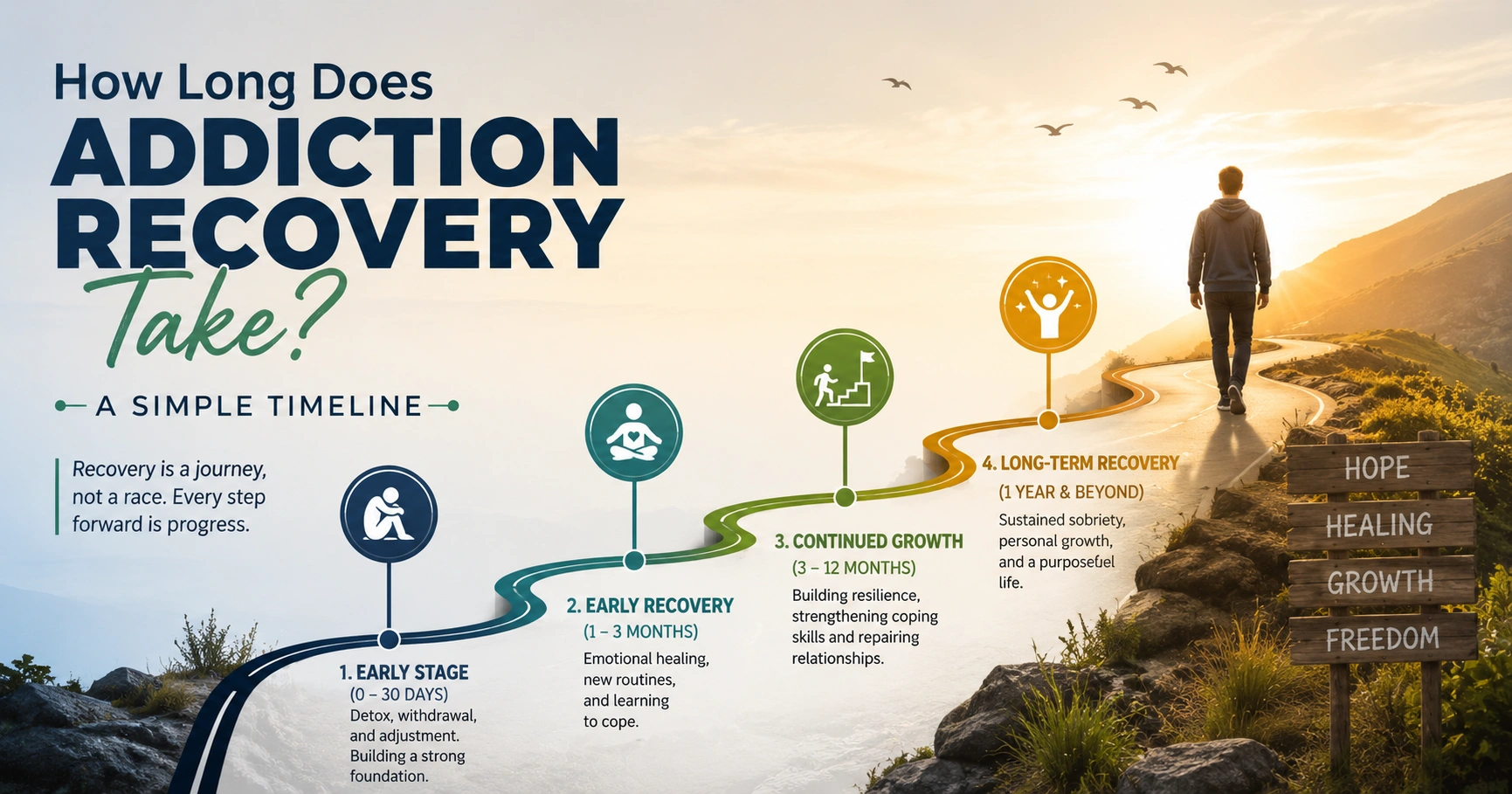
  • How Long Does Addiction Recovery Take? A Simple Timeline
    How Long Does Addiction Recovery Take? A Simple Timeline

    How Long Does Addiction Recovery Take? A Simple Timeline

    Hamara Sankalp Nasha Mukti Kendra

    “Sir, kitne din mein theek ho jaayenge?”

    It’s usually the first question a worried parent or spouse asks when they walk through the doors of a nasha mukti kendra in Haldwani. And it’s a fair question — nobody wants to watch someone they love struggle a day longer than necessary. But the honest answer is rarely a single number. Addiction recovery isn’t a fixed countdown; it’s a process that unfolds in stages, and each stage takes the time it takes.

    At Hamara Sankalp Nasha Mukti Kendra Haldwani, we’ve walked alongside hundreds of families through this journey — from the panic of the first phone call to the quiet relief of watching someone rebuild their life. What we’ve learned, and what research backs up, is that recovery has a rhythm. Knowing that rhythm makes the whole process feel less frightening and a lot more manageable.

    Why There’s No Single “Recovery Date”

    It’s tempting to want a fixed timeline — 30 days, 90 days, six months — and then move on. But addiction changes the brain, not just behaviour, and the brain heals on its own schedule. Research shows the brain typically needs at least 12 to 24 months of sustained abstinence for meaningful neurological stabilization, and full recovery of dopamine receptor function can take anywhere from three to five years depending on the substance and how long it was used.

    That number can feel overwhelming at first read. But it doesn’t mean someone is “unwell” for years — it simply means the deeper healing continues long after the person looks and feels fine on the outside. The visible part of recovery (getting sober, staying sober, going back to work or college) often happens much faster than the invisible part (the brain quietly rewiring itself).

    Stage 1: Detox — Days to Two Weeks

    This is where every recovery journey begins: clearing the substance from the body under medical supervision.

    For alcohol, withdrawal symptoms typically start within six to twelve hours of the last drink, peak between 24 and 72 hours, and begin to ease within about a week. Other substances behave differently — opioid withdrawal can take a week or more to settle, while benzodiazepine withdrawal often needs weeks or even months of careful, gradual tapering to avoid dangerous complications.

    This is exactly why unsupervised “cold turkey” attempts at home are risky. A proper nasha mukti kendra in Haldwani with trained medical staff can monitor vitals, manage complications, and make this stage as safe and comfortable as possible.

    One important reality check: detox alone does not treat addiction. According to NIDA, most people who stop at detox without follow-up care return to substance use fairly quickly. Detox opens the door to recovery — it isn’t the destination.

    Stage 2: Early Recovery — One Month to a Year

    Once the body has stabilised, the real work begins. This phase can last anywhere from the first month up to a full year, and it’s less about surviving and more about relearning how to live without the substance.

    This is also the stage families find most confusing, because the person may look physically fine but still feel emotionally raw. That’s because of something called Post-Acute Withdrawal Syndrome (PAWS) — a cluster of symptoms including foggy thinking, disturbed sleep, and emotional ups and downs that can continue for weeks or months after detox is over. Many people mistakenly expect to feel “normal” by this point, which is why relapse risk and discouragement often peak right here.

    At this stage, structured counselling, group therapy, family involvement, and daily routine-building matter enormously. It’s also usually when someone in treatment starts uncovering the why behind their addiction — unresolved trauma, chronic stress, undiagnosed anxiety or depression — issues the substance had been quietly masking.

    Stage 3: Maintenance — One to Two Years

    Somewhere between the one-year and two-year mark, recovery starts to feel less like a daily battle and more like a way of life. Cravings become less frequent and less intense, new habits and relationships take root, and identity gradually shifts from “a person in recovery” to “a person who has recovered.”

    Importantly, vulnerability to relapse remains higher than baseline even at this stage — which is exactly why aftercare, family support, and periodic check-ins with a rehabilitation center shouldn’t stop just because things are going well.

    Stage 4: Advanced Recovery — Three to Five Years and Beyond

    This is the long horizon. Reaching a level of neurological and psychological resilience where relapse risk drops significantly typically takes three to five years of continuous recovery work. By this point, sobriety isn’t something a person is actively “managing” every day — it’s simply who they’ve become.

    So, How Long Does It Actually Take?

    If a family needs one honest, practical answer, it looks something like this:

    • Detox: Days to two weeks
    • Early recovery: 1 month to 1 year
    • Building a stable foundation: 1 to 2 years
    • Deep, lasting neurological healing: 3 to 5 years

    Research also points to a useful short-term marker: the “action phase” of recovery — where old patterns genuinely start breaking down and new ones take hold — typically needs 30 to 90 days of consistent effort, and staying engaged in treatment and aftercare for at least three months is strongly linked to better long-term outcomes.

    Relapse Doesn’t Reset the Clock to Zero

    One thing every family should hear early: relapse isn’t a required part of recovery, but it isn’t automatic failure either — it’s often a signal that the treatment plan needs adjusting, not a reason to give up. Recovery is rarely a straight line, and a setback doesn’t erase the progress already made.

    Why the Right Support Makes the Timeline Shorter (and Safer)

    Every one of these timelines assumes proper, professional support — medical detox, structured therapy, and consistent aftercare. Trying to shortcut any of these stages, or attempting them without guidance, almost always makes the road longer, not shorter.

    This is where a dependable nasha mukti kendra in Haldwani makes a genuine difference. At Hamara Sankalp Nasha Mukti Kendra Haldwani, we combine medically supervised detox, individual and group counselling, family therapy, and structured aftercare to support patients through every one of these stages — not just the first thirty days. Serving Haldwani and the wider Kumaon region, including Almora, Ranikhet, and Pithoragarh, our approach is built around one simple belief: recovery isn’t an event, it’s a journey, and no one should have to walk it alone.

    If you or someone in your family is looking for the right first step, reach out to Hamara Sankalp Nasha Mukti Kendra Haldwani. The timeline may take patience — but with the right support, every stage of it becomes possible.
  • Is It Addiction or Just a Bad Habit? 7 Signs You Should Know

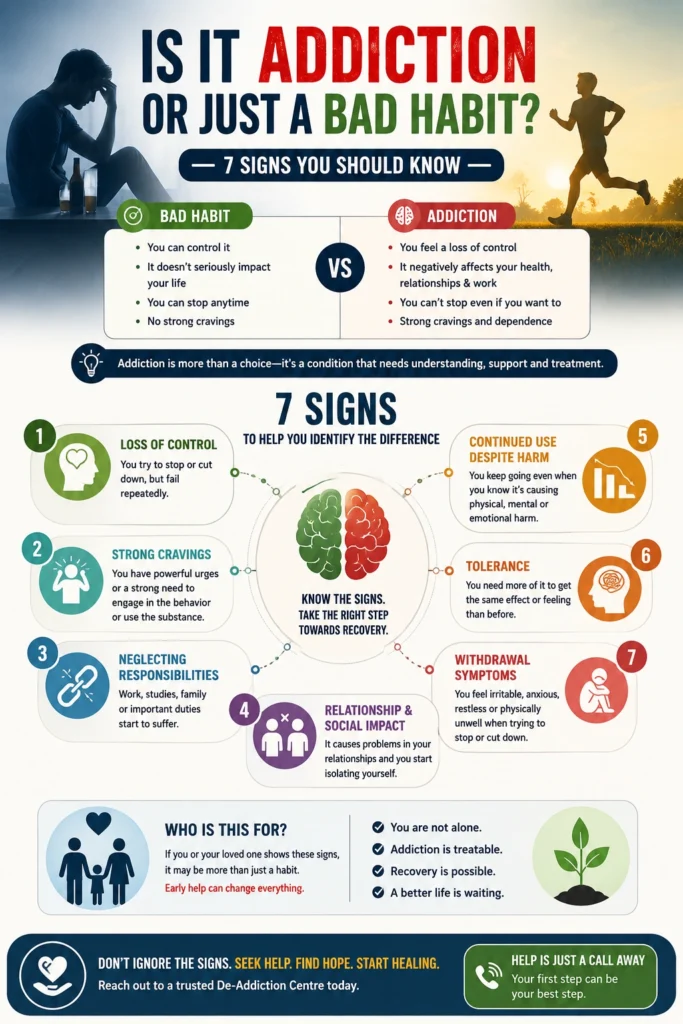
    Is It Addiction or Just a Bad Habit? 7 Signs You Should Know

    de-addiction center

    We all have habits we’re not proud of — scrolling too much, snacking late at night, or having one drink too many at a party. But where does a habit end and addiction begin? This is a question many families in Uttarakhand and across India quietly struggle with, often waiting too long to seek help because they assume “it’s just a phase” or “they’ll grow out of it.”

    Understanding the difference early can make all the difference in getting timely support. Here are seven signs that can help you tell a habit apart from something more serious.

    1. Loss of Control

    A habit is something you choose to do. Addiction is something that starts controlling you. If a person repeatedly tries to cut back or stop — whether it’s alcohol, drugs, or even certain behaviours — and consistently fails despite genuinely wanting to quit, that’s a red flag worth paying attention to.

    2. Increasing Tolerance

    With a habit, the pattern usually stays the same over time. With addiction, the amount or frequency tends to increase. The person needs more of the substance to get the same effect, which often happens without them even realizing how much their intake has grown.

    3. Withdrawal Symptoms

    One of the clearest indicators of addiction is physical or emotional discomfort when the substance isn’t available — irritability, anxiety, sweating, nausea, or restlessness. A simple bad habit rarely causes the body or mind to react this strongly when paused.

    4. Neglecting Responsibilities

    When work, family, or health starts taking a back seat because of substance use, it’s no longer just a habit. Missed deadlines, skipped family functions, or declining performance at school or work are often the first visible signs that something deeper is going on.

    5. Secretive or Defensive Behaviour

    People struggling with addiction often go out of their way to hide their usage — lying about where they’ve been, becoming defensive when questioned, or isolating themselves from loved ones. Habits, on the other hand, don’t usually come with this level of secrecy or guilt.

    6. Continued Use Despite Consequences

    This is perhaps the strongest indicator. If someone keeps using a substance even after it has caused health problems, relationship conflicts, financial trouble, or legal issues, it points toward dependency rather than a simple lifestyle choice.

    7. Changes in Mood and Relationships

    Addiction often brings noticeable shifts in personality — increased aggression, mood swings, or emotional distance from family and friends. If people around you have started expressing concern about changes in your behaviour, it’s worth taking that seriously rather than dismissing it.

    When to Seek Help

    If several of these signs sound familiar — whether for yourself or someone you care about — it may be time to look beyond willpower and self-control as the solution. Addiction is a medical condition, not a character flaw, and it responds well to structured treatment, counselling, and a supportive recovery environment.

    This is exactly the kind of support that Hamara Sankalp Nasha Mukti Kendra, based in Haldwani, Uttarakhand, has been offering to individuals and families across the Kumaon region. With a focus on medically guided detox, counselling, and long-term rehabilitation, the center works closely with patients and their families to help them move from dependency toward lasting recovery.

    Recognizing the signs early is the first step. Reaching out for professional help is the next — and it’s a step that can change everything.


    This article is for general informational purposes only and is not a substitute for professional medical diagnosis. If you or someone you know is struggling with addiction, please consult a qualified healthcare provider or de-addiction specialist.

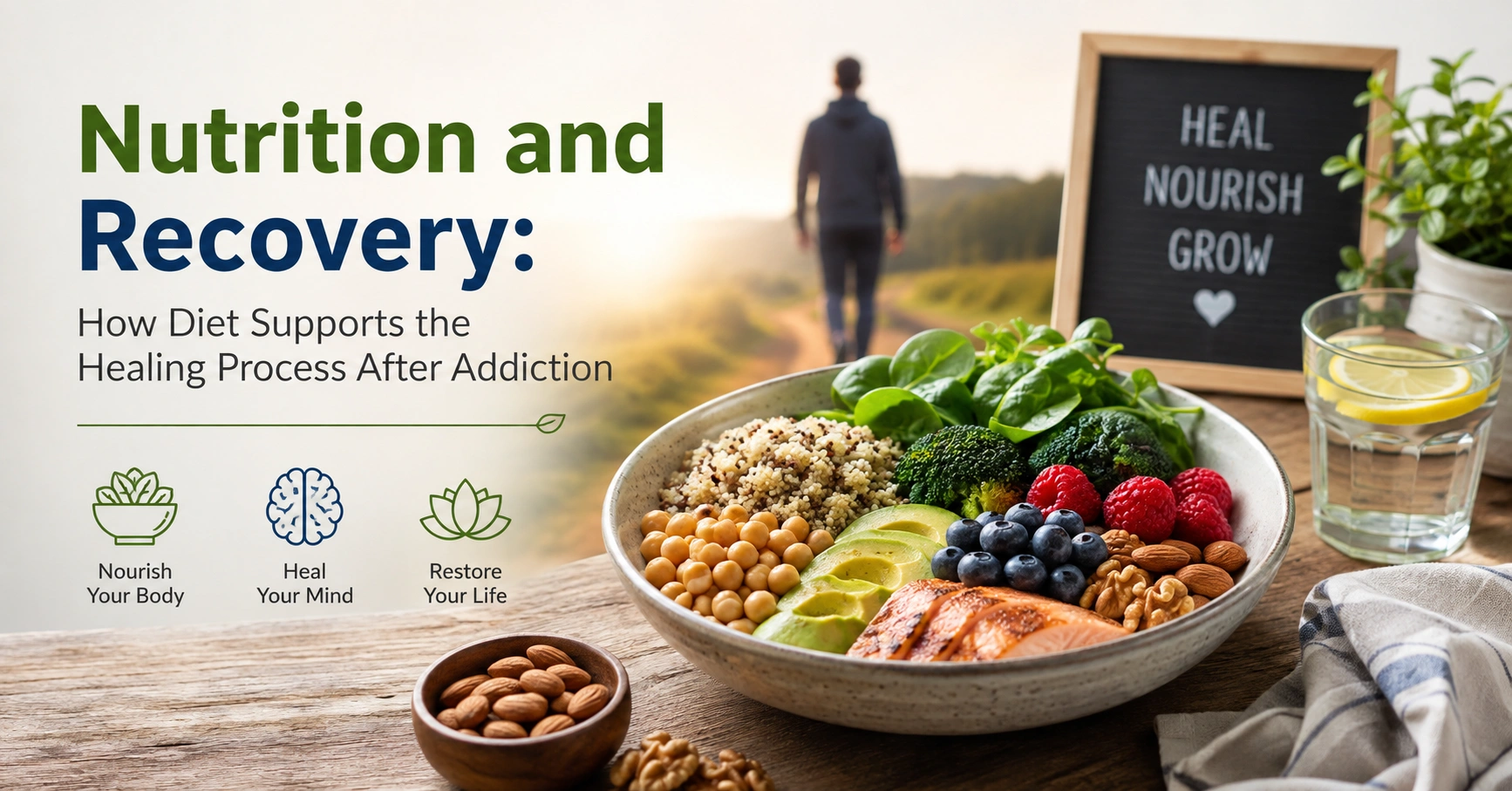
  • Nutrition and Recovery: How Diet Supports the Healing Process After Addiction

    Nutrition and Recovery: How Diet Supports the Healing Process After Addiction

    Nutrition and Recovery: How Diet Supports the Healing Process After Addiction

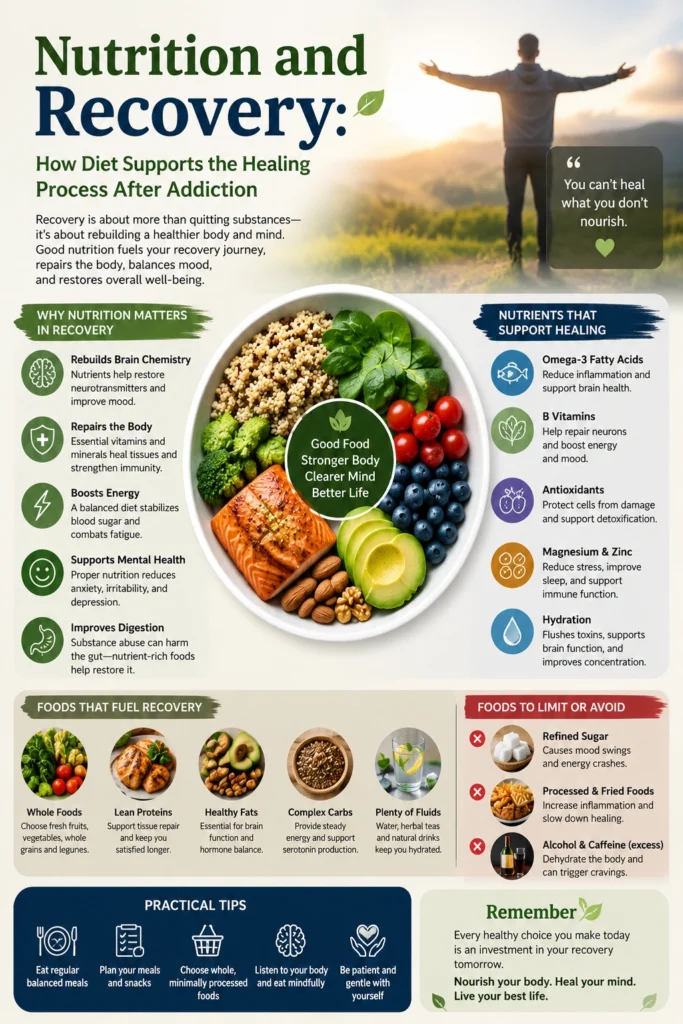
    When people think about addiction recovery, the first things that usually come to mind are counselling, detox, and willpower. Diet rarely makes the list — yet it plays a far bigger role in healing than most people realize. Substance abuse takes a serious toll on the body, often leaving behind nutritional deficiencies, a damaged digestive system, and an imbalance in the very brain chemicals that influence mood and cravings. Rebuilding physical health through proper nutrition isn’t a side detail in recovery — it’s one of the foundations on which lasting sobriety is built.

    Why Addiction Damages the Body’s Nutritional Balance

    Prolonged substance use disrupts the body in ways that go far beyond the obvious. Alcohol and drugs interfere with the absorption of essential nutrients, damage the lining of the stomach and intestines, and place enormous strain on the liver and kidneys — organs already responsible for filtering toxins from the body. Many individuals in active addiction also neglect regular meals altogether. Appetite suppression, irregular sleep cycles, and a general disinterest in self-care mean that by the time someone enters treatment, their body is often running on empty. Common deficiencies include low levels of B vitamins, magnesium, zinc, and vitamin D — all of which affect energy, immune function, and mental clarity.

    nasha mukti kendra
  • The Science Behind Addiction Recovery: Why Professional Treatment Matters

    The Science Behind Addiction Recovery: Why Professional Treatment Matters

    The Science Behind Addiction Recovery: Why Professional Treatment Matters

    Hamara_sankalp_de-addiction

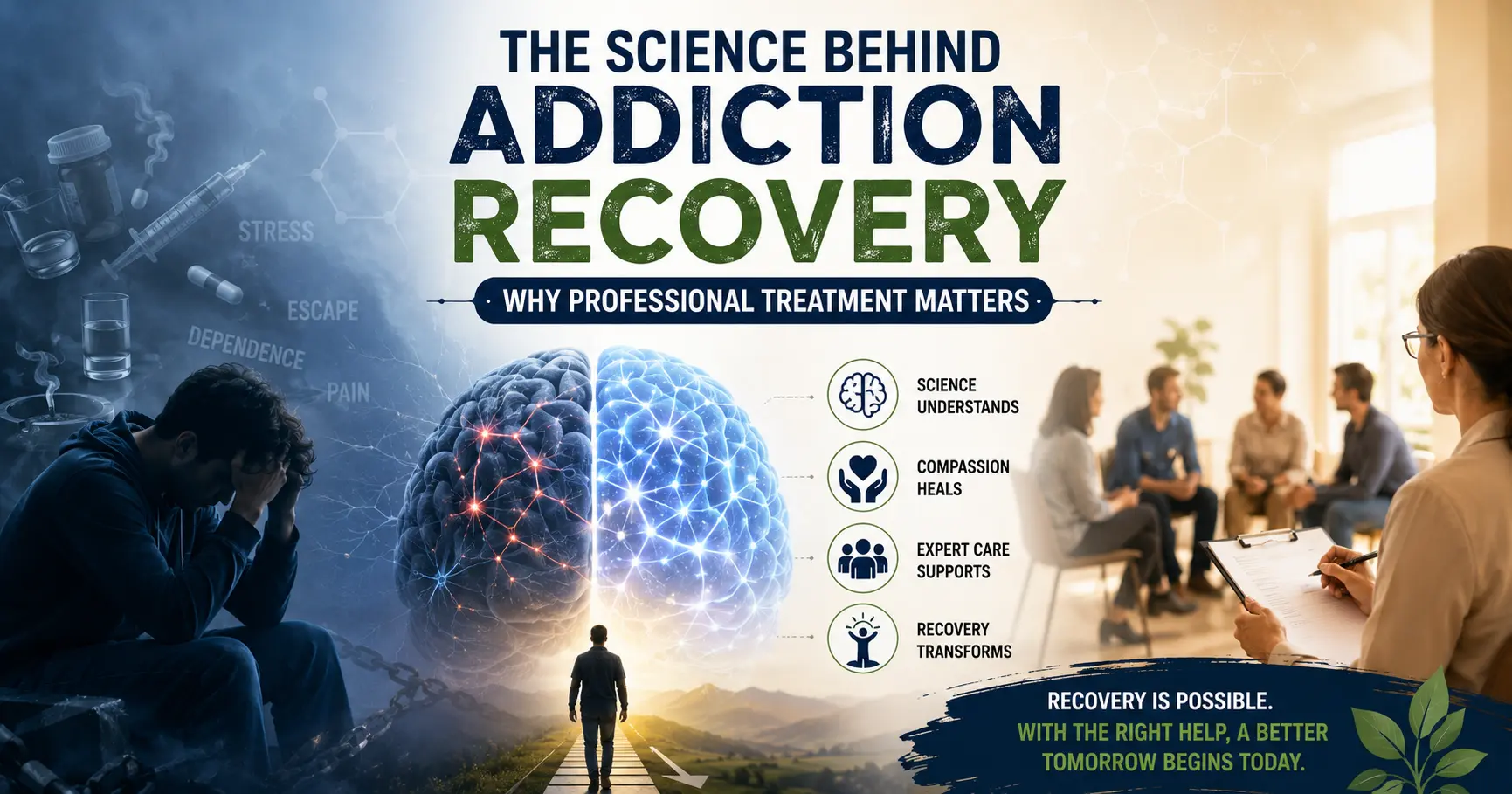
    Addiction is often misunderstood as a matter of willpower — a choice that a person simply refuses to reverse. This misconception continues to prevent countless individuals from seeking the help they genuinely need. In reality, addiction is a complex neurological condition that rewires the brain’s reward, motivation, and decision-making systems. Understanding the science behind this process is the first step toward recognizing why professional treatment, not self-discipline alone, is essential for lasting recovery.

    How Addiction Changes the Brain

    At its core, addiction is a disorder of the brain’s reward circuitry. Substances such as alcohol, opioids, and other drugs trigger an intense release of dopamine, the neurotransmitter associated with pleasure and reinforcement. Over time, repeated exposure to this artificial flood of dopamine alters the brain’s natural chemistry. The reward pathways become desensitized, meaning the individual needs increasingly larger amounts of the substance just to feel a sense of normalcy, let alone pleasure. This is compounded by changes in the prefrontal cortex, the region responsible for judgment, impulse control, and long-term decision-making. Chronic substance use weakens this area’s ability to override cravings, which explains why individuals struggling with addiction often continue harmful behavior despite being fully aware of its consequences. It is not a failure of character; it is a measurable, physiological change in how the brain functions. This is precisely why willpower alone is rarely enough. Asking someone to “just stop” is akin to asking someone with a broken leg to walk without treatment. The underlying biology must be addressed, not just the behavior on the surface.

    Why Detox Alone Is Not Recovery

    Many people assume that detoxification — the process of clearing substances from the body — marks the end of addiction treatment. In truth, detox is only the beginning. While it manages the physical withdrawal symptoms, it does nothing to address the psychological patterns, emotional triggers, and behavioral habits that led to substance dependency in the first place. Without structured follow-up care, relapse rates after detox alone remain extremely high. This is because the brain’s altered reward pathways and learned behavioral responses to stress, trauma, or environmental cues persist long after the substance has left the body. Sustainable recovery requires addressing both the biological and psychological dimensions of addiction simultaneously.

    The Role of Professional, Structured Treatment

    This is where professional de-addiction centers play an irreplaceable role. Effective treatment programs are designed around a combination of medical supervision, psychological therapy, and structured lifestyle rebuilding — each targeting a different layer of the addiction cycle. 1. Medical Supervision Withdrawal from substances like alcohol or opioids can be physically dangerous, sometimes life-threatening, without proper medical oversight. Professional centers ensure that detoxification happens safely, with trained staff monitoring vital signs and managing complications as they arise.
    2. Psychological Therapy Cognitive Behavioral Therapy (CBT) and other evidence-based counseling methods help individuals identify the thought patterns and emotional triggers that fuel substance use. Therapy also addresses co-occurring mental health conditions such as anxiety, depression, or trauma, which are frequently intertwined with addiction but often go undiagnosed without professional support.
    3. The Twelve Step Approach Structured peer-support frameworks, such as the Twelve Step model, provide individuals with a community of people who understand their struggle firsthand. This sense of shared accountability and mutual support has been shown to significantly improve long-term sobriety outcomes.
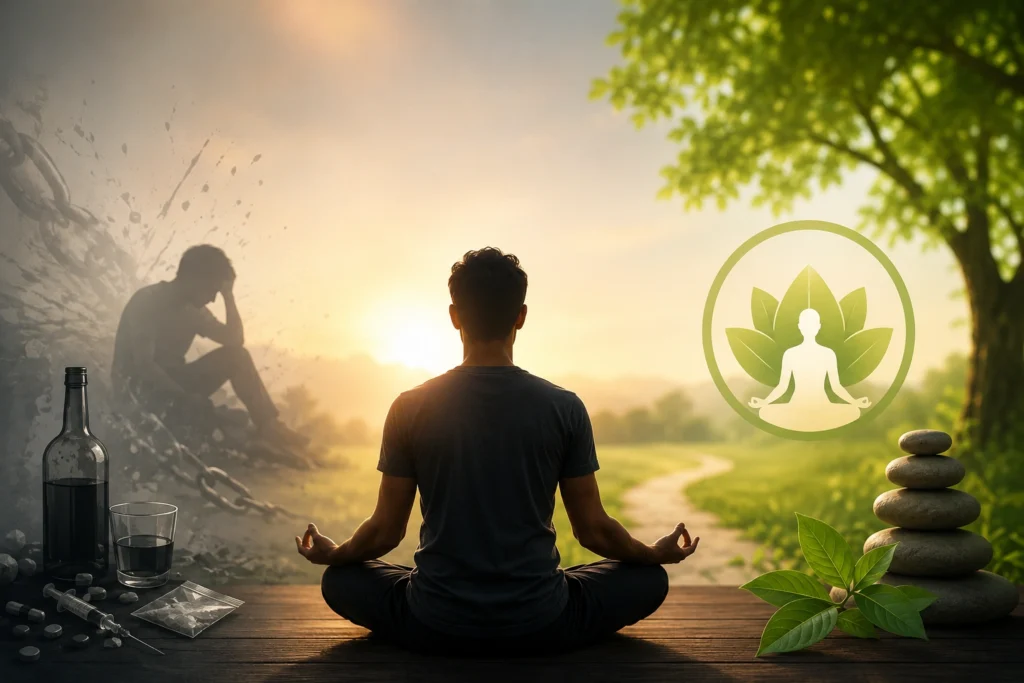
    4. Holistic Practices Recovery is not solely a clinical process. Practices such as yoga and meditation help regulate the nervous system, reduce stress hormones, and rebuild the mind-body connection that addiction often disrupts. These practices complement medical and psychological treatment by giving individuals healthy coping mechanisms to replace substance use.
    5. Family Involvement Addiction rarely affects only the individual — it reshapes the dynamics of entire families. Professional treatment centers often incorporate family counseling to rebuild trust, improve communication, and equip loved ones with the tools to support recovery rather than inadvertently enable relapse.

    Relapse Is Part of the Process, Not a Sign of Failure

    One of the most important scientific insights into addiction is that relapse does not indicate a failed recovery. Addiction is classified as a chronic, relapsing condition, much like diabetes or hypertension. Just as a diabetic patient may need to adjust their treatment plan over time, individuals recovering from addiction may require ongoing support and adjustments to their care plan. This is why aftercare and continued monitoring are critical components of any credible treatment program. Recovery is not a single event but an ongoing process that requires sustained effort, professional guidance, and a supportive environment.

    Why Location and Accessibility Matter

    For many individuals, particularly those in smaller towns and semi-urban regions, access to quality de-addiction treatment remains a significant barrier. Regions such as Haldwani and the broader Kumaon belt — including Almora, Ranikhet, and Pithoragarh — have historically had limited access to specialized rehabilitation services, forcing families to travel long distances during an already difficult time. Expanding access to professional, evidence-based treatment in these regions is not just a matter of convenience; it directly impacts recovery outcomes. Timely intervention, delivered close to home, allows for stronger family involvement and reduces the logistical and financial burden that often discourages people from seeking help in the first place.

    Conclusion

    addiction is not a moral failing — it is a medical condition rooted in real, observable changes to brain chemistry and function. Recognizing this shifts the conversation away from blame and toward what actually works: comprehensive, professional treatment that addresses the physical, psychological, and social dimensions of recovery. For anyone supporting a loved one through this journey, understanding the science can be the first step toward compassion instead of frustration. And for those seeking help themselves, know that recovery is not about willpower alone — it is about accessing the right combination of medical care, therapy, community support, and time. Professional treatment does not just help people stop using substances. It helps them rebuild a life worth staying sober for.

  • Sweat It Out: How Fitness Becomes Your Best Recovery Tool

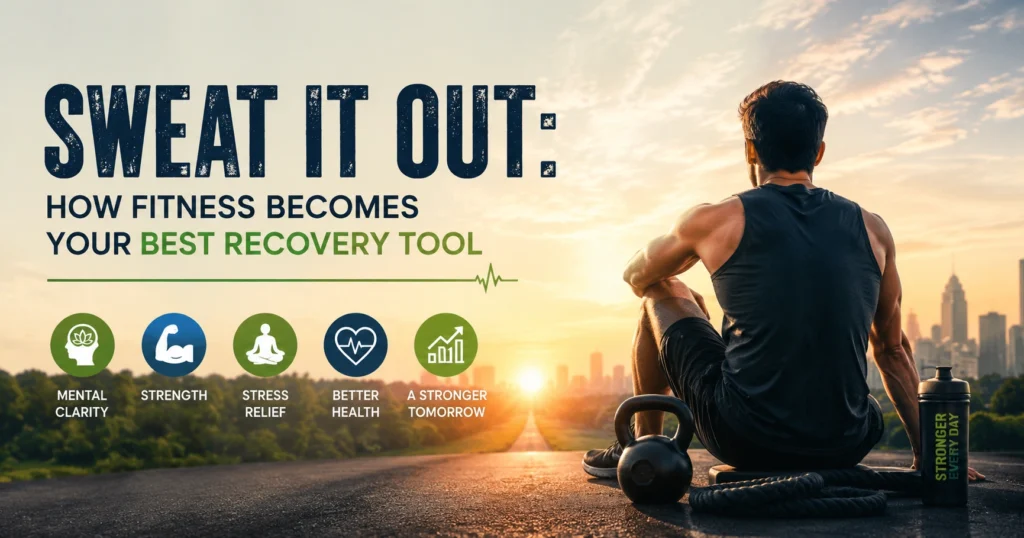
    Sweat It Out: How Fitness Becomes Your Best Recovery Tool

    Sweat It Out: How Fitness Becomes Your Best Recovery Tool

    Hamara Sankalp Nasha Mukti Kendra Haldwani

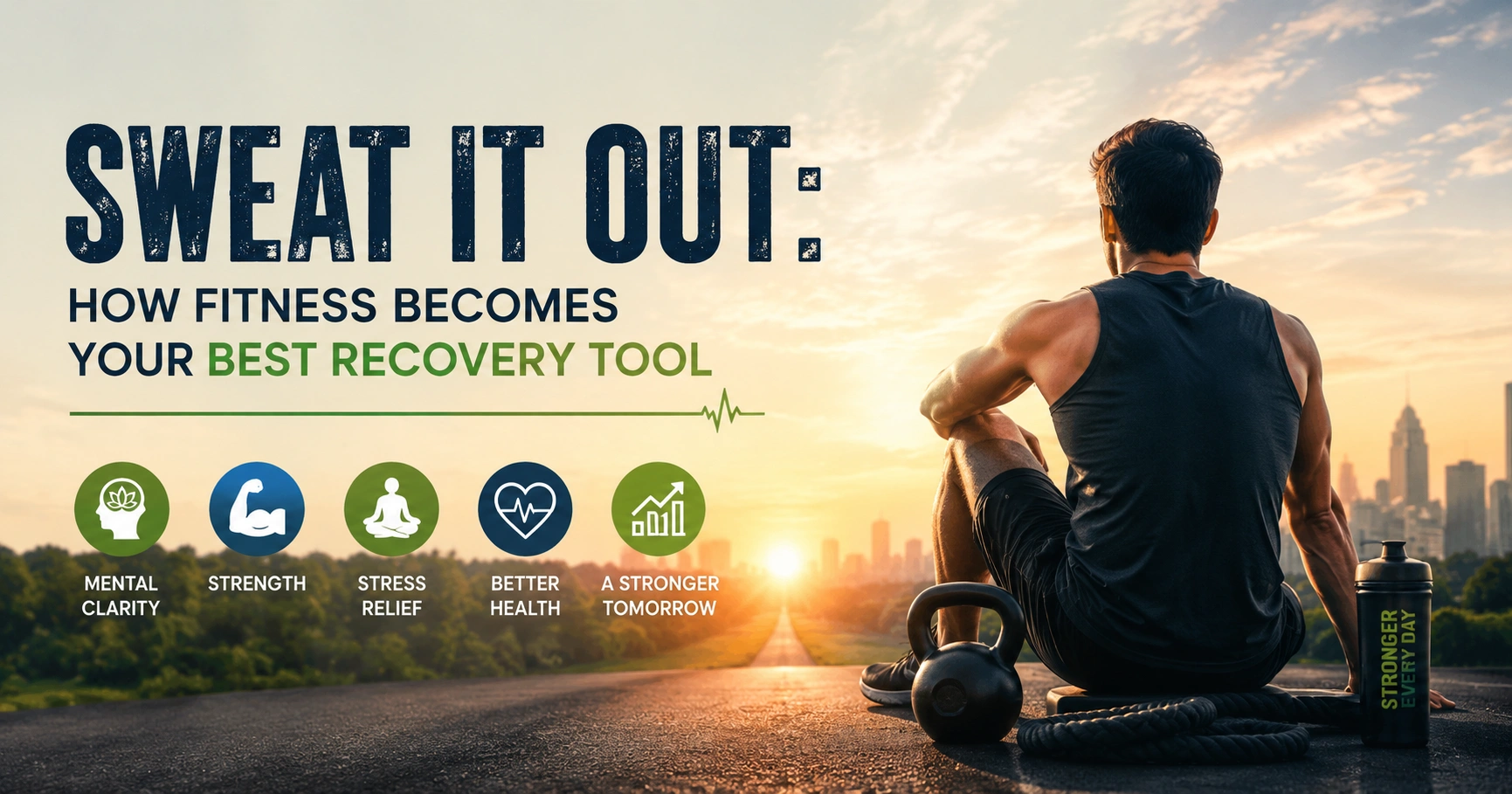
    When people think about addiction recovery, they usually picture therapy sessions, support groups, and medical detox. Rarely does anyone imagine a gym mat, a pair of running shoes, or a yoga class playing a starring role. But for thousands of people rebuilding their lives after addiction, fitness has quietly become one of the most powerful tools in their recovery toolkit.

    When people think about addiction recovery, they usually picture therapy sessions, support groups, and medical detox. Rarely does anyone imagine a gym mat, a pair of running shoes, or a yoga class playing a starring role. But for thousands of people rebuilding their lives after addiction, fitness has quietly become one of the most powerful tools in their recovery toolkit.

    The Brain Craves Movement Too

    Addiction hijacks the brain’s reward system, flooding it with dopamine and leaving natural sources of pleasure feeling dull in comparison. The good news? Exercise taps into that same reward system — naturally. A brisk walk, a workout session, or even a few sun salutations trigger the release of dopamine, serotonin, and endorphins, the same feel-good chemicals disrupted by substance abuse.

    In other words, sweating it out isn’t just good for the body — it’s retraining the brain to find joy in healthy places again.

    The Science of Feeling Good Again

    Beyond the immediate mood boost, exercise has a longer-term effect on brain chemistry that matters deeply in recovery. Regular physical activity increases levels of a protein called brain-derived neurotrophic factor (BDNF), which helps repair and grow new brain cells — particularly in areas linked to memory, focus, and emotional regulation. These are often the exact regions weakened by long-term substance use.

    This means fitness isn’t just a distraction from cravings; it’s actively helping the brain heal. Over weeks and months, many people in recovery report clearer thinking, better emotional control, and a stronger sense of stability — improvements that make the entire recovery process feel more manageable.

    Cravings Don’t Stand a Chance

    One of the hardest parts of early recovery is managing cravings and restless energy. Exercise gives that energy somewhere productive to go. Whether it’s lifting weights, going for a run, or joining a group sport, physical activity channels stress and tension into something constructive, making cravings easier to ride out instead of act on.

    Building Routine Where Chaos Used to Live

    Addiction often strips away structure from daily life. Fitness helps rebuild it. A consistent workout schedule creates a rhythm — wake up, move, feel accomplished, repeat. This small daily win builds momentum, and momentum builds confidence. Over time, showing up for a workout becomes a quiet reminder: I can commit to something good for myself.

    Stronger Body, Steadier Mind

    Recovery isn’t just an emotional journey — it’s a physical one too. Years of substance use can take a toll on the heart, lungs, and immune system. Regular movement helps repair this damage, restoring energy levels and physical strength. And as the body gets stronger, so does mental resilience. It’s hard to feel completely defeated when you’ve just crushed a workout you didn’t think you could finish.

    Finding Your Fitness Fit

    The good news is there’s no single “correct” way to sweat it out. Options include:

    • Yoga – calming, gentle on the body, great for early recovery
    • Walking or jogging – simple, low-pressure, and easy to build into a daily habit
    • Group sports – adds a social element, reducing isolation
    • Strength training – builds physical and mental resilience over time

    The best fitness routine isn’t the most intense one — it’s the one you’ll actually stick with.

    The Social Side of Sweating It Out

    Isolation is one of the biggest risk factors for relapse, and fitness offers a natural way to combat it. Group workouts, recreational sports leagues, or even a regular walking buddy create built-in social connection without the pressure of a formal support group setting. Sweating alongside someone else — celebrating small wins together, showing up even on hard days — builds accountability and friendship at the same time.

    Many rehabilitation centers have started recognizing this, incorporating group fitness sessions into treatment programs specifically because the community aspect strengthens commitment to recovery just as much as the physical activity itself.

    Start Small, Stay Consistent

    One trap many people fall into during early recovery is trying to do too much too fast — an ambitious workout plan that fizzles out within a week. The better approach is starting small. A 10-minute walk counts. Five minutes of stretching counts. Consistency matters far more than intensity, especially in the beginning.

    As the body regains strength and the mind grows steadier, workouts can naturally become longer and more structured. This gradual build mirrors recovery itself — small, sustainable steps that compound into real, lasting change over time.

    Not a Replacement, But a Powerful Partner

    To be clear, fitness isn’t a substitute for professional treatment. Therapy, medical support, and structured counseling remain the foundation of recovery. But exercise complements that foundation beautifully, giving people a healthy outlet, a mood boost, and a tangible sense of progress they can feel in their own body.

    The Takeaway

    Recovery is hard work, but it doesn’t have to feel like punishment. Sweating it out — whether through a run, a yoga class, or a pickup game with friends — offers something addiction takes away: a genuine, earned sense of feeling good. And in recovery, that feeling can make all the difference between giving up and moving forward.

    If you’re supporting someone through recovery, or navigating your own journey, know this: you don’t need a perfect fitness plan to start. You just need to move — even a little, even imperfectly. The rest builds from there.

    Progress in recovery rarely announces itself with fireworks. More often, it looks like showing up for a walk on a day you didn’t feel like it, finishing a workout you thought you’d quit halfway through, or simply noticing that you slept a little better last night. Fitness gives recovery something tangible to hold onto — proof, written in effort and sweat, that healing is actually happening. And on the hardest days, that proof can be exactly what keeps someone moving forward, one step, one rep, one small win at a time.

  • The Family’s Role in Addiction Recovery: 

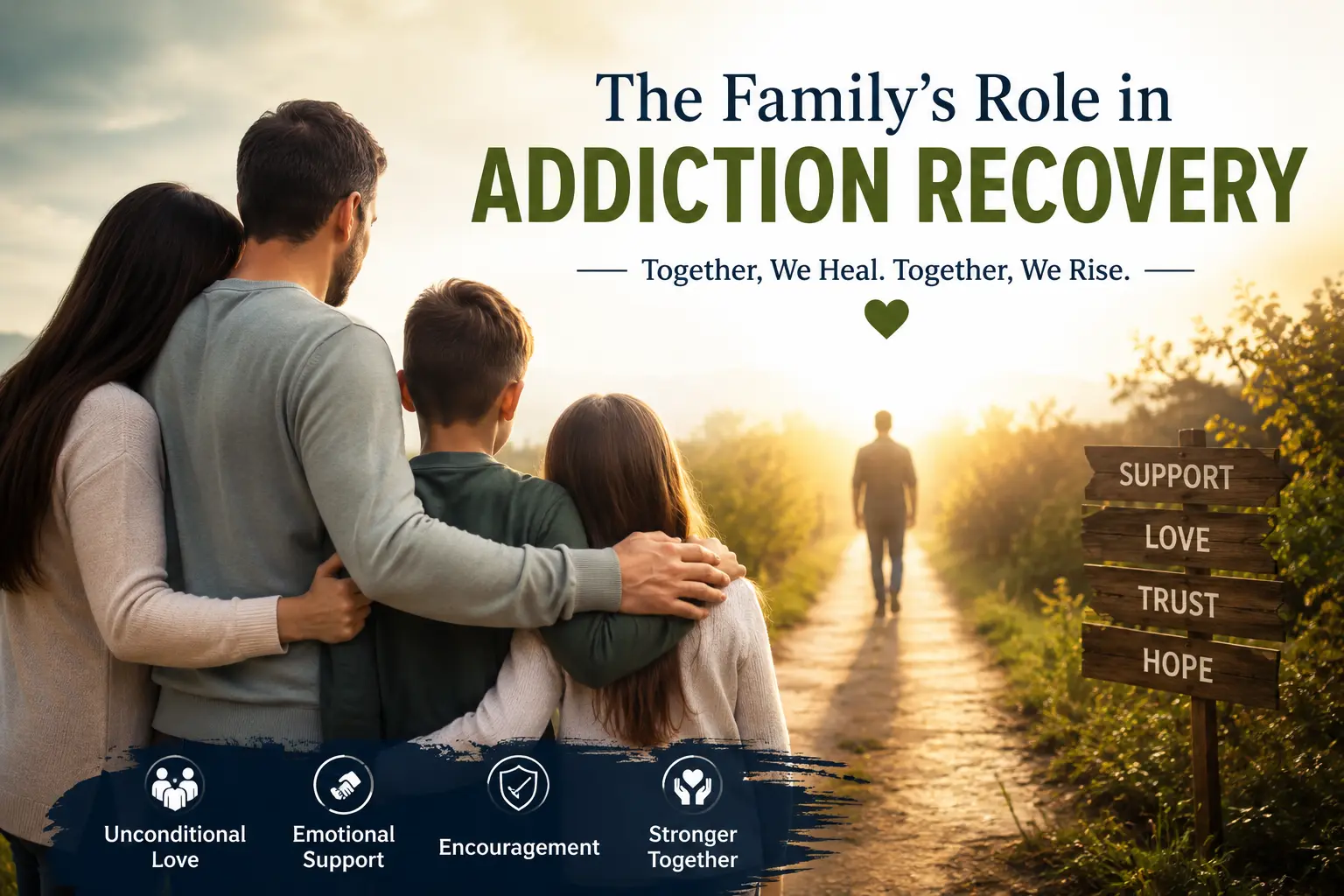
    The Family’s Role in Addiction Recovery: 

    The Family’s Role in Addiction Recovery: 

    When someone begins the journey of recovery from addiction, the treatment they receive at a rehabilitation center is only one part of the picture. What happens at home — the conversations, the patience, the boundaries — often decides whether recovery holds long-term. At Hamara Sankalp Nasha Mukti Kendra in Haldwani, we’ve seen time and again that families aren’t just bystanders in this process. They’re active participants in it. Here’s how families across Haldwani, Almora, Ranikhet, and Pithoragarh can support a loved one’s recovery journey, while also protecting their own wellbeing.

    1. Educate Yourself About Addiction

    2. Practice Open, Judgment-Free Communication

    3. Set Healthy Boundaries

    4. Avoid Enabling Behavior

    5. Be Patient With the Process

    6. Take Care of Yourself Too

    7. Stay Connected With the Treatment Team

  • How Physical Exercise Speeds Up Addiction Recovery: A Complete Guide

    How Physical Exercise Speeds Up Addiction Recovery: A Complete Guide

    How Physical Exercise Speeds Up Addiction Recovery: A Complete Guide

    Hamara Sankalp Nasha Mukti Kendra

    Recovering from addiction is never just about quitting a substance — it is about rebuilding the body, mind, and daily routine from scratch. While counseling and medical detox form the backbone of treatment, one often-overlooked pillar of recovery is physical exercise. Research and clinical experience both point to the same conclusion: regular physical activity can significantly speed up healing and reduce the risk of relapse.

    Why Exercise Matters in Recovery :

    Key Benefits of Exercise During Recovery :

    6. Boosts Self-Esteem Completing a workout, however small, gives patients a genuine sense of accomplishment. This rebuilding of self-worth is often just as important to recovery as the physical benefits themselves.

    Best Types of Exercise for Recovering Addicts :

    How Rehabilitation Centers Can Integrate Fitness :

    A Word of Caution


    Conclusion

  • How Yoga and Meditation Accelerate Addiction Recovery

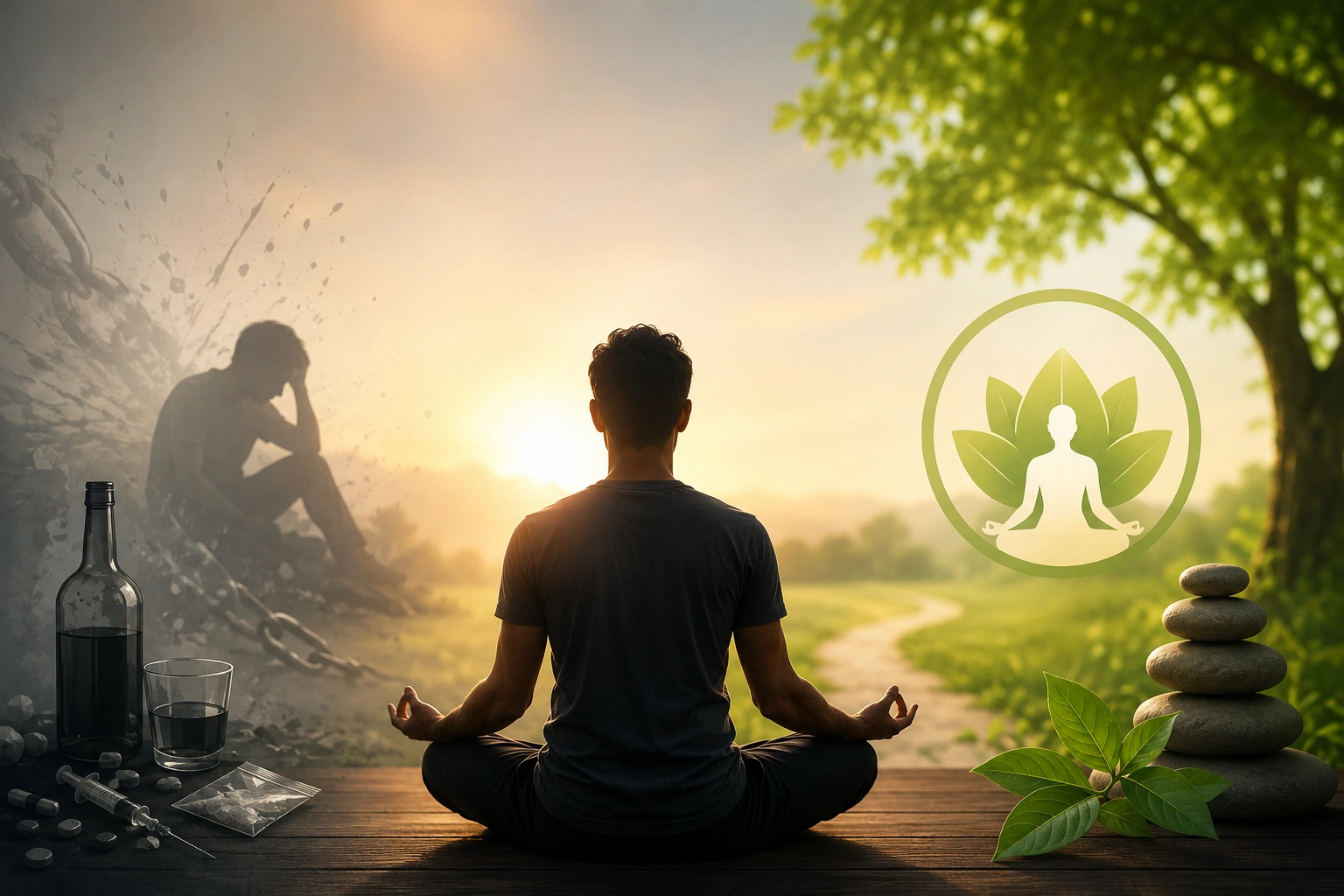
    How Yoga and Meditation Accelerate Addiction Recovery

    How Yoga and Meditation Accelerate Addiction Recovery

    Recovery from addiction isn’t just about stopping substance use — it’s about healing a body and mind that have been under constant chemical stress. Medical treatment and counselling remain the foundation of any recovery program, but a growing body of research shows that yoga and meditation, when added alongside these treatments, can meaningfully speed up healing and lower the chances of relapse.

    At Hamara Sankalp Nasha Mukti Kendra, we’ve seen this firsthand — patients who combine structured yoga and meditation sessions with their treatment plan often show calmer withdrawal, better sleep, and stronger emotional control within the first few weeks.

    Here’s a closer look at why that happens.

    1. Yoga Helps Calm a Nervous System in Overdrive

    Addiction rewires the body’s stress response, keeping it stuck in a state of high alert. Gentle yoga postures, combined with slow, controlled breathing (pranayama), activate the parasympathetic nervous system — the body’s natural “rest and repair” mode. This helps lower cortisol (the stress hormone), ease muscle tension left over from withdrawal, and steady a racing heartbeat or restless mind.

    Even simple daily practice — 30 to 45 minutes of gentle postures and breathing — has been linked in clinical studies to noticeably eased withdrawal symptoms, better sleep, and reduced anxiety compared to standard treatment alone.

    2. Meditation Rebuilds the Brain’s Ability to Handle Cravings 

    One of the hardest parts of recovery is managing cravings and triggers without reacting impulsively. Mindfulness meditation trains exactly this skill. Regular practice has been shown to increase activity in brain regions responsible for mood regulation and impulse control, while reducing the intensity of cravings over time.Research reviews covering thousands of participants have found that after a few weeks of consistent meditation, many people in recovery report a measurable drop in the urge to use, along with better ability to notice a craving, sit with it, and let it pass — rather than acting on it.

    3. Restoring the Brain’s Natural Reward System

    Substance use hijacks the brain’s dopamine system, the same circuitry responsible for natural feelings of motivation and pleasure. Over time, the brain stops producing these chemicals on its own, which is part of why early recovery can feel flat, low, or unmotivated.

    Yoga and meditation offer a natural, gradual way to restore this balance. The physical movement, breath control, and relaxation involved in yoga are known to release endorphins and support healthier dopamine regulation — helping the brain slowly relearn how to feel good without a substance.


    4. Addressing the Root Causes, Not Just the Symptoms

    Many people struggling with addiction are also carrying unresolved stress, trauma, or anxiety. Yoga and meditation create a safe, non-judgmental space to process these emotions rather than suppress them. This is particularly valuable for patients with co-occurring conditions like PTSD or chronic anxiety, where studies have shown yoga-based therapy can support both emotional healing and reduced substance intake.

    This emotional processing is often what separates short-term abstinence from lasting recovery.

    5. Building Structure, Discipline, and Self-Worth

    Addiction often erodes routine and self-respect. A daily yoga and meditation practice rebuilds both. Showing up on the mat every morning — even when it’s hard — teaches discipline. Completing a session builds a small, repeatable sense of accomplishment. Over weeks and months, this steadily restores confidence, self-worth, and a feeling of control over one’s own life — all of which are protective against relapse.

    What This Looks Like in a Real Recovery Program

    At Hamara Sankalp, yoga and meditation are never a replacement for medical detox, counselling, or family therapy — they work alongside these, not instead of them. A typical day might include:

    • Morning breathing and gentle asana practice to ease physical restlessness
    • Guided mindfulness meditation to build awareness of triggers and cravings
    • Evening relaxation practice to support deeper, more restful sleep

    Patients don’t need any prior experience. Sessions are kept simple, supportive, and adapted to each person’s physical condition — especially important during early withdrawal, when the body is still healing.

    The Takeaway

    Yoga and meditation won’t cure addiction on their own — but as part of a complete treatment program, they give the body and mind real tools to heal faster: calmer withdrawal, fewer relapse triggers, restored emotional balance, and a stronger foundation for lifelong sobriety.

    If you or a loved one is looking for a de-addiction program that treats the whole person — body, mind, and spirit — reach out to Hamara Sankalp Nasha Mukti Kendra to learn more about our holistic recovery approach.

    ]This article is for informational purposes and does not replace professional medical advice. Anyone considering starting a recovery program should consult a qualified doctor or de-addiction specialist.

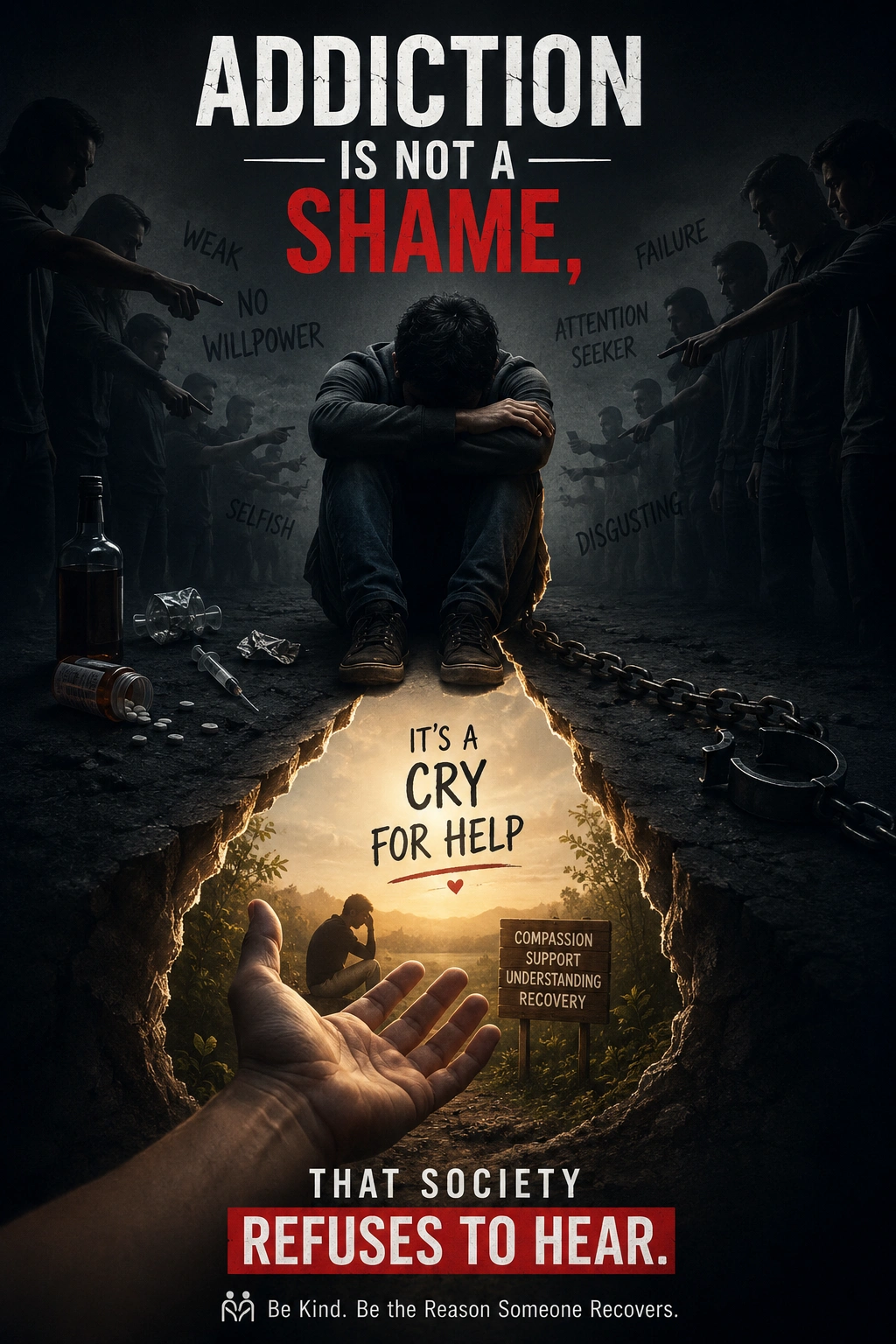
  • Addiction Is Not a Shame, It’s a Cry for Help That Society Refuses to Hear

    Addiction Is Not a Shame, It’s a Cry for Help That Society Refuses to Hear

    5 Truths About Addiction Stigma Society Ignores – Addiction Is Not a Shame, It’s a Cry for Help That Society Refuses –

    We often look at someone struggling with addiction and silently label them as weak, careless, or even a bad person. It’s an easy judgment to make from the outside. But few people stop to ask the harder question: what if this person wants nothing more than to escape the very thing that’s consuming their life — and simply hasn’t found the right way out?

    The Person Behind the Addiction

    Addiction rarely starts as a choice to ruin one’s life. It often begins as an attempt to cope — with pain, with loss, with pressure, with a wound no one else could see. Over time, what started as an escape becomes a trap. The person isn’t choosing to stay stuck. They’re fighting a battle inside their own mind, often alone, often in silence.

    Ask anyone who has walked this path, and you’ll hear a similar truth: they want to stop. They want their old life back. They want to look their family in the eye without guilt. But addiction rewires the brain in ways that make “just stopping” far more complicated than willpower alone can fix.

    The Weight of Society’s Judgment

    Perhaps the cruelest part isn’t the addiction itself — it’s how society responds to it. Instead of support, there’s suspicion. Instead of compassion, there’s distance. Family gatherings grow quieter around them. Neighbors whisper. Even those closest to them sometimes start treating them as if they’ve forfeited their right to be treated with dignity.

    This isolation doesn’t help anyone recover. If anything, it pushes people deeper into the very behavior everyone wants them to stop. When someone feels like the world has already decided who they are, it becomes even harder to believe they can become someone else.

    Why “Just Stop” Doesn’t Work

    If overcoming addiction were as simple as deciding to stop, very few people would remain trapped in it. The truth is, addiction changes how the brain processes stress, reward, and self-control. It’s not a matter of character — it’s a medical and psychological condition that requires real support, real treatment, and real patience. Telling someone to “just have more willpower” is like telling someone with a broken leg to just walk normally. The intention behind the addiction — the pain it was covering — still needs to be addressed. Without that, recovery becomes nearly impossible to sustain alone.

    What Actually Helps

    What people struggling with addiction need isn’t judgment — it’s a path forward. That path usually includes:

    • A safe space to be honest without fear of being shamed
    • Medical support to manage the physical side of dependency
    • Counseling to understand and address the emotional root causes
    • A support system — family, friends, or professionals — who choose understanding over blame

    Recovery is possible. It happens every day. But it happens far more often when someone is met with compassion instead of condemnation.

    Changing the Way We See Addiction

    If we want fewer people trapped in addiction, we need to change the way we talk about it — as a society, as families, and as individuals. Instead of asking “why can’t they just stop,” we need to start asking “what happened to them, and how can we help them heal?”

    Every person struggling with addiction is still a person — someone’s child, sibling, parent, or friend. They didn’t wake up one day choosing this life. They’re often fighting harder than anyone realizes, just to hold on.

    The least we can offer them is the same thing we’d want if we were the ones struggling: understanding, patience, and a reminder that they still deserve to be helped, not abandoned.

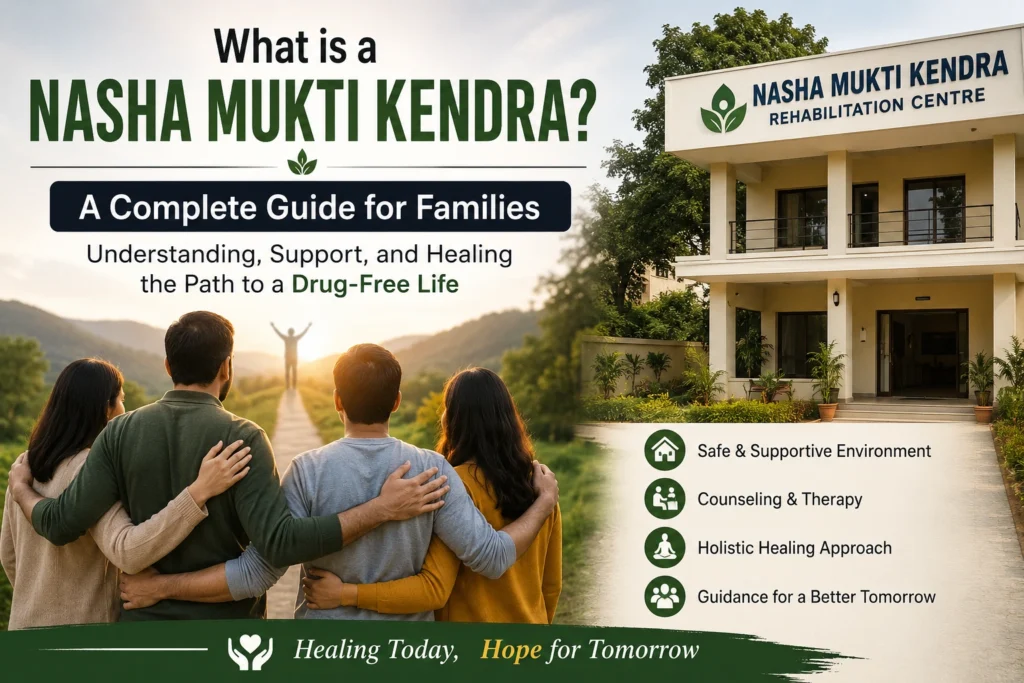
  • What is a Nasha Mukti Kendra? A Complete Guide for Families

    What is a Nasha Mukti Kendra? A Complete Guide for Families

    What is a Nasha Mukti Kendra? A Complete Guide for Families

    hamara sankalp nasha mukti kendra

    When a loved one is struggling with addiction, one term families often hear is Nasha Mukti Kendra — but many don’t fully understand what it actually involves. Is it a hospital? A counseling center? A place where someone is simply “locked away” until they recover? This guide breaks down exactly what a Nasha Mukti Kendra is, how it works, and what families can realistically expect from the process.

     What Does “Nasha Mukti Kendra” Mean?

    “Nasha Mukti Kendra” translates to “de-addiction center” in Hindi — a facility dedicated to helping individuals overcome dependency on alcohol, drugs, or other substances. Far from being a place of punishment or isolation, a well-run Nasha Mukti Kendra is a structured treatment environment combining medical care, psychological support, and long-term recovery planning.

    The goal isn’t just to stop substance use temporarily — it’s to help the individual understand the root causes behind their addiction and build the tools needed to stay recovered long after they leave.

    What Actually Happens at a Nasha Mukti Kendra?

    Many families imagine treatment as one single process, but it typically unfolds in distinct stages:

    1. Initial Assessment
    Before any treatment begins, the patient undergoes a medical and psychological evaluation. This helps the team understand the severity of the addiction, the substances involved, and any underlying health or mental health conditions that need to be addressed alongside the addiction itself.

    2. Detoxification
    This is often the most physically demanding stage. Under medical supervision, the patient’s body clears itself of the substance it has become dependent on. Depending on the substance, withdrawal symptoms can range from mild discomfort to more serious complications — which is exactly why supervised detox at a proper facility matters far more than attempting it at home.

    3. Therapy and Counseling
    Once the physical dependency is managed, the real psychological work begins. This includes individual counseling to address personal triggers, group therapy for peer support, and often family counseling sessions to help loved ones understand how to support the recovery process.

    4. Aftercare and Follow-Up
    Recovery doesn’t end when someone leaves the center. Reputable Nasha Mukti Kendras provide follow-up support — periodic check-ins designed to reduce the risk of relapse and help the individual adjust back into daily life.

    Common Myths Families Believe (That Aren’t True)

    Myth: “It’s just about willpower — they should be able to stop on their own.”
    Addiction changes brain chemistry in ways that make quitting through willpower alone extremely difficult, especially for substances with severe withdrawal effects. Professional support significantly improves recovery outcomes.

    Myth: “Nasha Mukti Kendras are harsh, prison-like places.”
    While this stereotype exists, a properly run center focuses on dignity, medical care, and emotional support — not punishment. Facilities often include counseling rooms, recreational spaces, and even yoga or meditation areas designed to support healing.

    Myth: “Once treatment is done, the problem is solved.”
    Treatment is the foundation, not the finish line. Long-term recovery depends heavily on aftercare, family support, and the individual’s continued commitment — which is why follow-up care matters so much.

     What Families Should Look for When Choosing a Nasha Mukti Kendra

    Not all centers offer the same quality of care. Families evaluating options should consider:

    • Medical supervision during detox – Ensures safety during the most physically risky stage of treatment
    • Qualified counselors and psychiatric support – Addiction often overlaps with mental health conditions like anxiety or depression
    • Family involvement in the process – Recovery is far more successful when families understand and participate
    • A clear, structured treatment plan – Rather than a vague, one-size-fits-all approach
    • Aftercare support – Since relapse risk is highest in the months following treatment

     How Can Families Support Someone During Treatment?

    Watching a loved one go through this process can be emotionally overwhelming. Some ways families can help include:

    • Educating themselves about addiction as a medical condition, not a personal failing
    • Participating in family counseling sessions when offered
    • Avoiding blame or guilt-driven conversations, which often push individuals further into isolation
    • Being patient — recovery is rarely linear, and setbacks don’t mean failure
    • Staying involved even after treatment ends, since ongoing support significantly reduces relapse risk

     Why Early Action Matters

    Many families wait, hoping the problem will resolve on its own, or fearing the stigma of seeking help. Unfortunately, addiction rarely improves without intervention — and delaying treatment often allows dependency to deepen, making eventual recovery more difficult. Reaching out to a Nasha Mukti Kendra as soon as signs of addiction become clear can make a meaningful difference in long-term outcomes.

     Final Thoughts

    A Nasha Mukti Kendra isn’t a place of shame — it’s a structured path toward healing, built on medical care, psychological support, and genuine compassion. Understanding what actually happens during treatment can help families feel more confident and informed as they support their loved one through recovery.

    If you or someone you know is considering treatment, reaching out for a confidential consultation is often the first, most important step.

    What is a Nasha Mukti Kendra? A Complete Guide for Families​